Austin’s Restaurant Service Culture and How Visitors Can Navigate It
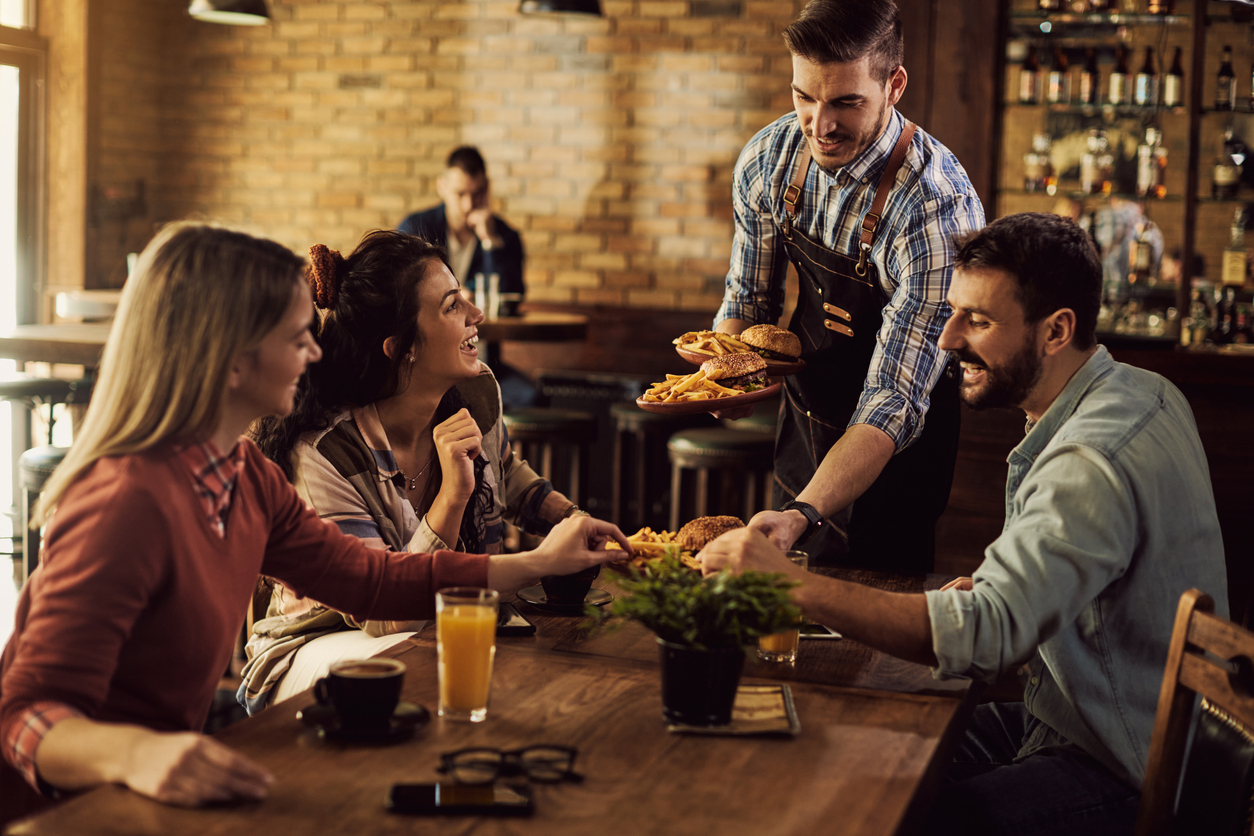
Austin’s restaurant service culture has evolved significantly in recent years, shaped by labor challenges, rising costs, and changing guest expectations. Many establishments now operate with leaner teams, meaning servers often manage multiple tables while balancing additional responsibilities behind the scenes. You’ll also notice more technology integration, from QR code menus to digital ordering systems, alongside a continued focus on hospitality. Understanding these dynamics helps you better navigate Austin’s vibrant dining scene and appreciate the effort behind every meal.
Why Austin Restaurants Are Short-Staffed Right Now
If you’ve experienced slower service or limited hours at Austin restaurants, it reflects broader industry trends rather than isolated issues. The COVID-19 pandemic led to widespread job losses in hospitality, and while recovery is ongoing, many workers have transitioned to other industries. At the same time, Austin’s rising cost of living has made it harder for restaurants to attract and retain staff, especially for entry-level and hourly roles. Operators are also dealing with higher food and labor costs, which limits their ability to rapidly expand staffing levels. As a result, many restaurants continue to operate with smaller teams while maintaining high demand.
Why Your Server May Seem Overextended
Even when a dining room doesn’t appear busy, your server may be handling more responsibilities than expected. In many Austin restaurants, staff roles have expanded beyond traditional service. Common behind-the-scenes factors include:
- Larger service sections, with one server covering multiple areas
- Ongoing side work, such as restocking, cleaning, and prepping
- Kitchen coordination delays, which affect timing and communication
- High guest expectations, even in casual settings
These factors can make service feel slower, even when staff are working efficiently and attentively.
What to Expect When You Eat Out in Austin Today
View this post on Instagram
Dining in Austin today means experiencing a diverse and fast-evolving food scene. You’ll find everything from food trucks and casual cafés to chef-driven restaurants offering globally inspired menus. Technology plays a growing role in many establishments. QR code menus and online ordering systems are common, especially in casual or fast-casual settings. However, full-service restaurants still prioritize personal interaction, often blending traditional hospitality with modern tools. Expect a mix of experiences depending on where you dine:
- Casual spots may emphasize speed and self-service options
- Mid-range restaurants balance attentive service with efficiency
- Fine dining venues continue to focus on detailed, guest-centered experiences
This variety reflects Austin’s ability to adapt while maintaining its strong food culture.
How to Tell the Difference Between Slow Service and Poor Service
Understanding the difference between operational challenges and actual service issues can improve your dining experience. Signs of a staffing-related delay include:
- Servers handling multiple tables while staying professional
- Clear communication about wait times or kitchen delays
- Managers or additional staff assisting on the floor
- Consistent effort, even during busy periods
In contrast, poor service typically involves a lack of communication or attention rather than visible workload challenges.
What Restaurant Workers Want Guests to Know
View this post on Instagram
Restaurant workers across Austin continue to navigate a demanding environment shaped by staffing fluctuations and rising operational costs. Many employees are balancing long hours, physically demanding work, and evolving service expectations. What makes a difference for them:
- Patience during peak hours or unexpected delays
- Clear communication and reasonable expectations
- Respectful interactions and understanding of workload
Austin’s hospitality culture remains strong, and most teams are committed to delivering a positive experience—even when operating under pressure.
Tipping Norms in Austin
Tipping is an essential part of dining in Austin and directly supports restaurant staff. Standard tipping expectations include:
- 18%–22% for full-service restaurants
- 15%–20% for casual dining with table service
- 10%–15% for takeout or counter service (optional but appreciated)
- $1–$2 per drink at bars
Some restaurants include a service charge or automatic gratuity for larger groups, so it’s helpful to check your bill before adding an additional tip. Even in more casual settings, tipping is considered a normal and expected part of the dining experience.
Tips for Navigating Austin’s Dining Scene
To make the most of your dining experience in Austin, a few simple strategies can go a long way:
- Visit during off-peak hours (early lunch or late dinner) for faster service
- Make reservations when possible, especially for popular restaurants
- Check menus online ahead of time if QR ordering is used
- Allow extra time for meals at busy or high-demand spots
These small adjustments can help you enjoy the city’s food scene more comfortably and avoid unnecessary frustration.
Neighborhood Dining Differences in Austin
Austin’s neighborhoods each offer a distinct dining experience, shaped by their atmosphere and restaurant mix:
- Downtown Austin: Features a mix of upscale restaurants, hotel dining, and high-traffic eateries. Expect longer wait times during peak hours and a more polished service style.
- East Austin: Known for creative, chef-driven concepts and food trucks. Service tends to be more relaxed and experimental, with a strong focus on unique flavors and local culture.
- South Austin (SoCo and South Lamar): Offers a balance of casual dining, iconic Austin spots, and trendy restaurants. Service is approachable and consistent, often with lively patios and social energy.
- North Austin: More suburban in feel, with family-friendly restaurants and international cuisine. Service is typically straightforward and less crowded compared to central areas.
Choosing where to dine based on neighborhood can significantly shape your overall experience.
Conclusion
Austin’s restaurant scene continues to thrive through creativity, diversity, and resilience. While service may look different than it did a few years ago, the city’s commitment to great food and hospitality remains strong. By understanding how restaurants operate today and approaching each experience with flexibility, you’ll be able to fully enjoy everything Austin has to offer—while supporting the people who make it possible.