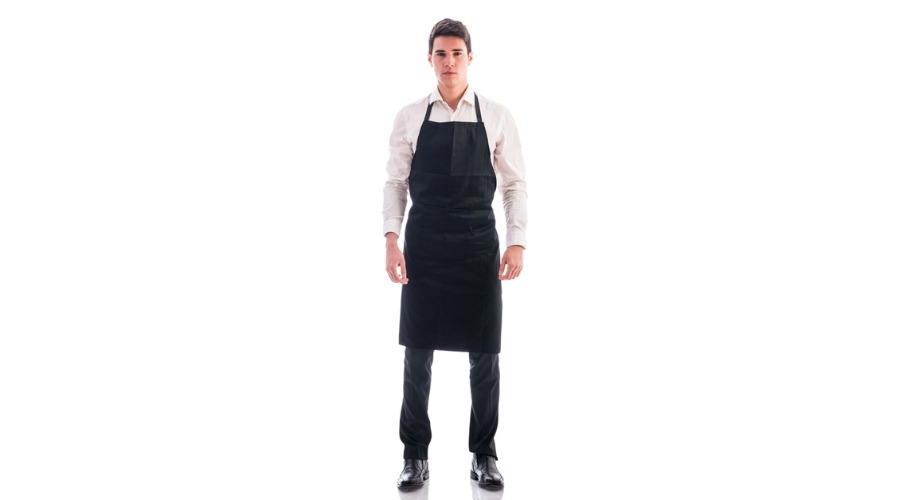
DFW Servers: How to Stand Out in a Competitive Hospitality Job Market
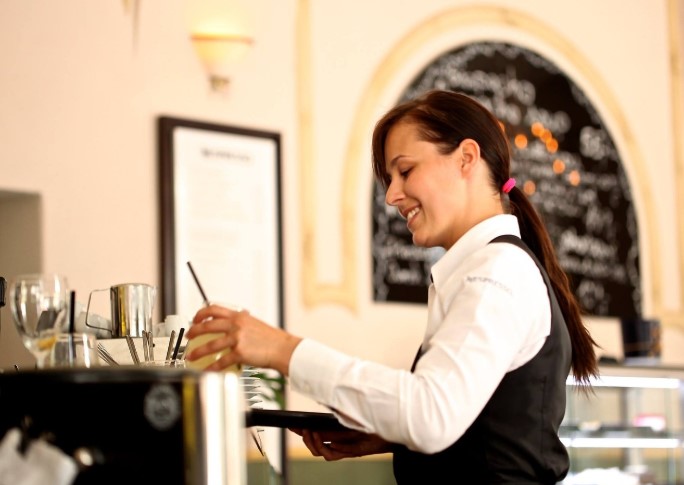
To stand out as a server in DFW's growing hospitality market, master menu knowledge, develop strong communication skills, and demonstrate proficiency with POS systems (e.g., Toast, MICROS, Aloha). Pursue relevant hospitality certifications like TABC (alcohol service), Texas Food Handler/Food Manager, ServSafe or TIPS, and consider beverage credentials such as WSET (wine) or Certified Beer Server (Cicerone).
Build your personal brand with a consistent LinkedIn presence. Showcase local knowledge of regional cuisine and cultural traditions while maintaining exceptional attention to detail. The combination of service skills and authentic hospitality expertise will position you ahead of competitors in this booming job sector.
The Current State of DFW's Hospitality Job Market
The landscape of Dallas–Fort Worth hospitality shows steady resilience, with recent gains across restaurants, hotels, and events indicating ongoing recovery and expansion. You're entering a field that continues to drive local employment, even as other sectors experience periodic slowdowns.
While office vacancy rates remain elevated due to shifting workplace trends, tourism and dining demand have stayed comparatively strong. The sector has expanded despite some white-collar softness, and postings for guest-facing roles remain active across the metro.
You'll face a competitive environment as DFW regularly ranks among national leaders for population and business growth. The unemployment rate has hovered at low-to-mid single digits, signaling overall stability and healthy hiring conditions for service professionals.
Essential Skills That Make Top-Tier Servers in Dallas–Fort Worth
Succeeding in DFW's vibrant hospitality market requires more than showing up—it demands a targeted skill set that separates average servers from exceptional ones. Your menu mastery and presentation skills drive effective upselling and guest satisfaction; build quick-reference cards with ingredients, prep methods, allergens, and daily features for confident recommendations.
Technical proficiency with POS systems, smooth section management, and consistent performance during high-volume periods showcase reliability employers seek. Your communication abilities—from active listening to de-escalation—directly impact the guest experience and team dynamics.
Experience in upscale or high-volume settings adds value, especially when you display proactive problem solving during peak hours. Anticipating guest needs, executing precise timing, and delivering polished guest recovery distinguish you in DFW's competitive landscape.
It's this blend of technical competence and interpersonal finesse that creates truly exceptional service professionals.
Strategic Certification and Training Opportunities
View this post on Instagram
Natural talent matters, but targeted credentials can dramatically elevate your profile in DFW's server market. Prioritize TABC certification and Texas Food Handler/Food Manager cards required for many roles. Add ServSafe Alcohol or TIPS for responsible service, WSET 1–2 for wine fundamentals, and Cicerone Certified Beer Server for craft-beer literacy. POS micro-trainings (Toast/MICROS), barista basics, and allergen/food-safety refreshers round out core skills.Data-curious servers benefit from entry-level Excel/Google Sheets and basic sales-mix analysis to interpret item performance. Short hospitality workshops—on nonverbal communication, table-side sales, or conflict resolution—showcase growth mindset and translate directly to better guest outcomes.
Building Your Personal Brand as a Hospitality Professional
Beyond credentials, your personal brand is a cornerstone of success in DFW's competitive scene. Identify what differentiates you—perhaps your calm under pressure, guest-centric storytelling, or fluency with dietary accommodations.Craft a succinct unique value statement using specific, concrete language. Keep visual and verbal consistency across resume, portfolio, and LinkedIn. Post service insights, pre-shift tasting notes, or community spotlights to demonstrate expertise and local engagement.Tailor your message to employers and guests by addressing their needs: reliability, upsell impact, five-star reviews, and repeat-visit drivers. Use brief stories that highlight guest wins, teamwork, and revenue contributions—moments competitors can't easily replicate.
Leveraging Local Knowledge and Regional Cuisine Expertise
View this post on Instagram
In DFW's competitive market, fluency in regional foodways elevates you from order-taker to trusted guide. Be ready to discuss Texas brisket traditions, Tex-Mex staples (e.g., enchiladas, fajitas), Gulf seafood seasonality, and classic chicken-fried steak. In Fort Worth, know signature buffalo offerings at noted steakhouses and Stockyards favorites; in Dallas, understand the city's modern American, Vietnamese, and taquería scenes.
Demonstrate dessert literacy—share the story behind tres leches or sopapillas—and call out artisans like local bakeries (e.g., the much-talked-about horchata-style brioche at popular donut shops). Tie in farm-to-table concepts at acclaimed kitchens where seasonality and sourcing drive menus. Connecting heritage, neighborhoods, and ingredients helps guests choose confidently—and remember you.
Navigating Seasonal Shifts and Market Fluctuations
As DFW's hospitality ebbs and flows with seasonality, adaptability becomes essential for stability and growth. Summer and holiday periods typically bring surges in traffic, events, and patio dining; slower shoulder seasons reward cross-training and staging for advancement.
Position yourself as a scheduling solution by highlighting availability for peak shifts and large-party service. Adjust your approach as preferences change—lighter fare and cold beverages in heat, comfort plates in cooler months—and anticipate pacing differences for business travel, concert nights, or game days.
Smart servers remain indispensable by mastering new menus, staying efficient during rushes, and sustaining hospitality standards regardless of volume. Your adaptability directly supports top-line revenue and guest loyalty.
Conclusion
You'll need more than enthusiasm to excel in DFW's restaurant scene. Invest in required certifications, build industry relationships, and showcase local knowledge. As you develop your personal brand, stay adaptable to seasonal shifts and emerging trends.
Remember, the most successful servers pair technical skill with genuine hospitality that keeps guests returning specifically for your service.
Related posts