How to Balance Speed and Quality Service as a Restaurant Server

Prioritizing Customer Needs
To truly excel as a server, prioritizing customer needs is essential. You should focus on understanding guest preferences by anticipating their needs. Proactive service means refilling drinks and providing condiments before they're requested, which improves the dining experience.
After serving meals, conduct quality checks to address any issues immediately, ensuring satisfaction and maintaining service efficiency. Building relationships with regular customers is facilitated by menu familiarity, enhancing the overall dining experience. Engage with guests personally to make them feel valued, even during busy times. This connection can greatly improve their perception of your service.
Observing non-verbal cues helps you prioritize their needs, allowing you to respond quickly to any signs of dissatisfaction. By focusing on these elements, you'll create a positive and memorable experience for your guests, balancing quality with responsiveness.
Effective Time Management Techniques
View this post on Instagram
Having mastered communication with the kitchen staff, it's time to focus on anticipating and addressing guest requests to improve their dining experience. Start by observing non-verbal cues like guests glancing at empty glasses, signaling the need for refills. Ask about their time constraints early to pace the service properly. This guarantees food and drinks arrive when they want them. Regular quality checks, asking if everything's satisfactory, can catch issues before they grow. Know your menu well, including specials and dietary options, so you can suggest alternatives confidently. Building rapport through personal engagement helps you understand guest preferences, allowing you to anticipate and fulfill their future requests seamlessly. Even during the busiest shifts, maintaining a positive attitude can transform the entire dining experience. Smiling and engaging positively with customers can elevate satisfaction by up to 25% and greatly influence your tips. Using stress management techniques like deep breathing or visualization helps you stay calm. Treat serving as a performance; this mindset keeps you focused and reduces anxiety. Positive reinforcement strategies, such as expressing gratitude towards customers and colleagues, build a supportive environment. This approach not only improves team morale but also helps you handle pressure more effectively. By enhancing communication and maintaining a positive demeanor, you can reduce complaints by up to 30%, ensuring a smoother, more enjoyable experience for everyone involved. Creating a harmonious dining atmosphere starts with your welcoming demeanor, which makes guests feel valued and attended to throughout their meal. Your friendly smile and engaging eye contact set the tone, while enthusiastic language keeps guests engaged. Pay attention to dining decor; make certain table settings are inviting and lighting is just right. This improves the ambiance and complements your attentive service. Conduct regular quality checks after serving food to gauge satisfaction and promptly address any issues. This shows you genuinely care about their experience. Remember, teamwork is key. Collaborating with other staff members guarantees all aspects of service flow seamlessly. To guarantee timely order delivery, prioritize your tasks by organizing orders efficiently and making sure drinks and appetizers reach the table before entrees. Order sequencing is key; make certain that each step flows smoothly. Communicate clearly with the kitchen staff to confirm when orders are ready, enhancing delivery efficiency. This minimizes wait times and guarantees food is served at the right temperature. Keep your hands full when moving through the restaurant, maximizing productivity by delivering multiple items in one trip. Implement a system for monitoring table wait times and guest needs, so you can anticipate drink refills or supplementary orders promptly. Regularly practice multitasking across tables, staying attentive to each guest's experience. This approach guarantees timely delivery without sacrificing quality service. Balancing speed and quality service is a cornerstone of being an exceptional restaurant server. It’s about moving quickly, but never rushing; delivering efficiently, but never cutting corners. By staying organized, leveraging teamwork, and anticipating guest needs, you can serve with the perfect mix of speed and grace. Remember, a fast service doesn’t just impress—it leaves guests feeling well-cared for and eager to return.Enhancing Communication With Kitchen Staff
Anticipating and Addressing Guest Requests
Maintaining a Positive Attitude Under Pressure
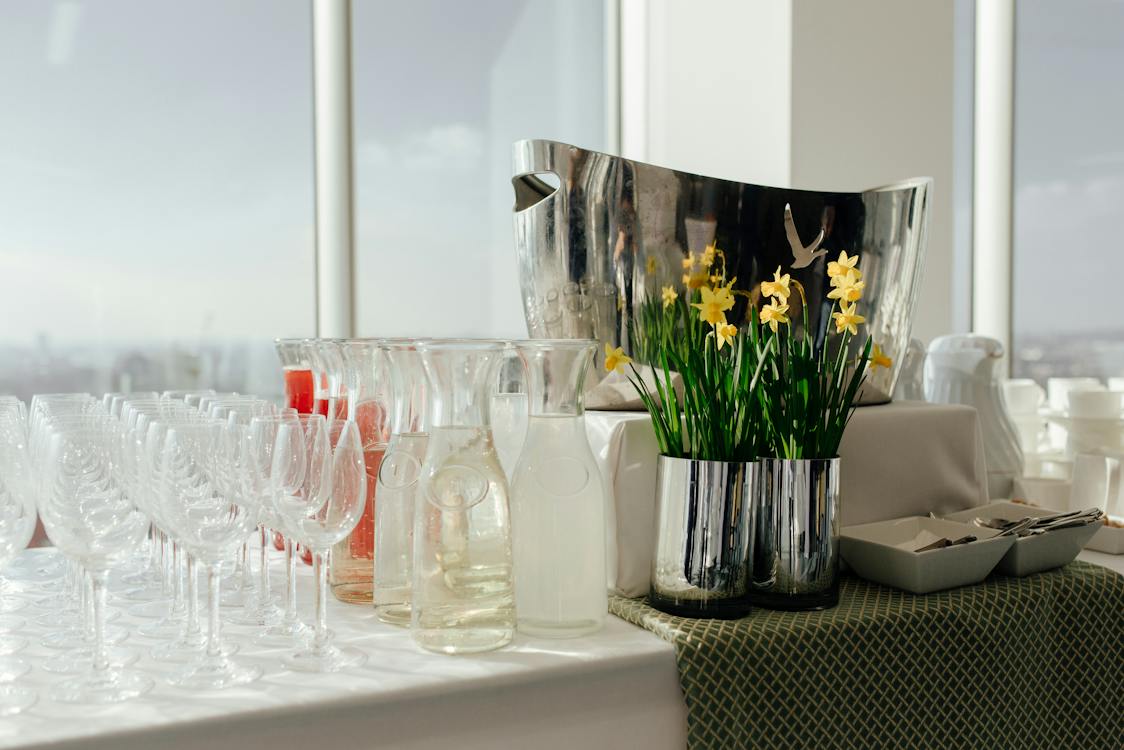
Creating a Harmonious Dining Atmosphere

Strategies for Timely Order Delivery

Final Thoughts