How to Build Great Customer Relationships as a Server

Warmly Welcoming Guests
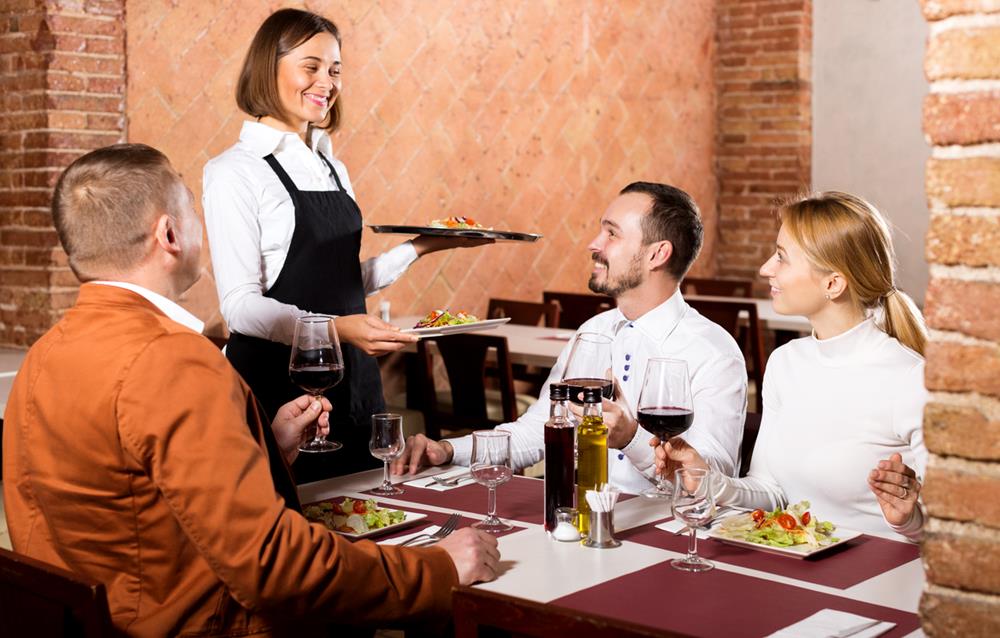
Everyone knows the power of a warm welcome. As a server, you can set the tone for a guest's dining experience within the initial few seconds. Initial impressions count, so greet them with a warm smile and make eye contact. Use their name for a personalized greeting; this simple gesture makes guests feel valued and improves their experience, elevating satisfaction by 20%.
Engage them with a sincere compliment or a friendly comment about the menu or ambiance. Small talk fosters connection and creates a welcoming atmosphere. Quickly provide menus and offer drink options to show your attentiveness, which can increase tips by 25%.
Be knowledgeable about the menu to reassure guests, contributing to a positive dining experience. Creating a connection with guests enhances their comfort level, making them more likely to enjoy their time and tip generously.
Attentive Listening and Observation

While serving, mastering attentive listening and keen observation can transform an ordinary dining experience into an exceptional one. Focus fully on the customer, making eye contact and giving verbal affirmations to show active engagement. By doing so, you'll enhance customer satisfaction by up to 25%. Use your emotional intelligence to observe non-verbal cues like body language and facial expressions.
This will help you tailor your service to match their mood and preferences. Implement active listening techniques—paraphrase their requests to confirm understanding. Remember specific details like dietary restrictions or favorite dishes for future visits; 70% of diners love personalized service.
Take note of the dining environment and customer reactions to resolve issues proactively, strengthening loyalty and encouraging repeat visits. A key strategy is to start with a warm greeting and a friendly demeanor, as making guests smile can create a more relaxed atmosphere and positively impact both the server and guests.
Anticipating and Fulfilling Needs

After honing your skills in attentive listening and observation, the next step is to anticipate and fulfill customer needs seamlessly. Recognizing customer preferences is key. Remembering a regular's favorite drink or dietary needs improves their dining experience and fosters loyalty. Adopt proactive service by refilling drinks before they're empty or suggesting menu items aligned with their tastes.
Use your observation skills to gauge moods—offer dessert when you sense a celebration. Build rapport by asking open-ended questions, allowing you to tailor service and create a personalized experience. Implement a system for tracking preferences and past orders to streamline service.
Offering Thoughtful Recommendations
In relation to offering thoughtful recommendations, understanding the menu inside and out is essential. Familiarize yourself with ingredients and preparation methods to confidently cater to customer preferences and dietary needs. Ask open-ended questions to uncover what they enjoy. This approach allows you to match dishes and drinks to their tastes. Share personal anecdotes about menu items to improve authenticity and engagement.
Your menu knowledge becomes a powerful tool, especially when highlighting special dishes, seasonal offerings, or chef's favorites, creating excitement for customers to try unique options. Keep notes on repeat customers' preferences to offer personalized suggestions in future visits, showing them you value their patronage.
Personalizing Customer Interactions
View this post on Instagram
Building customer loyalty as a server involves creating meaningful and personalized interactions that make guests feel valued. Remembering names and preferences can greatly increase repeat visits. Studies show 70% of consumers feel more loyal to brands that personalize their experiences. Implementing loyalty programs is another powerful tool; 83% of consumers are more likely to return if offered rewards. Don't underestimate the importance of follow-up. Sending thank-you notes or requesting customer feedback after a visit shows you care and strengthens relationships. Demonstrating empathy and actively listening can form strong emotional connections, making customers more valuable. With effective communication and conflict resolution training, you can increase customer loyalty, as satisfied patrons often recommend your business to others. While the hustle and bustle of a restaurant can be overwhelming, maintaining a positive attitude is vital for delivering exceptional service. Your cheerful demeanor can greatly improve the dining experience, making customers feel welcomed and valued. Using positive reinforcement, you can elevate customer satisfaction scores by up to 30%, leading to better tips and repeat business. Emotional intelligence plays a key role in managing stressful situations effectively, helping you avoid conflicts and ensuring smoother service. Positivity doesn't just affect customers; it also fosters a collaborative atmosphere among staff, improving teamwork. Customers often remember their interactions with servers, and your friendly, upbeat attitude can create lasting impressions. By doing so, you turn initial visitors into loyal patrons, strengthening customer relationships. As you maintain a positive attitude, another powerful tool in your service arsenal is expressing genuine gratitude. Customers notice when you offer thankful gestures, like a heartfelt "thank you" for choosing your restaurant or a warm acknowledgment of their special occasions. These simple acts can greatly enhance customer satisfaction and loyalty. Studies show that 70% of customers appreciate personalized thank-you gestures, which can lead to more frequent visits and positive reviews. How do you create meaningful connections with your customers as a server? Start by actively listening to them. Maintain eye contact and respond to their needs, which not only elevates satisfaction by up to 25% but also builds rapport. Personalize interactions by remembering regulars' names and preferences, fostering a sense of belonging and encouraging loyalty. Improve communication through positive body language—smile and use open gestures to create a welcoming atmosphere. Engage customers with open-ended questions about their meal preferences, making their dining experience memorable. Follow up during their meal to guarantee satisfaction; this proactive approach increases the likelihood of positive reviews and referrals by 30%. These strategies not only deepen connections but also lead to higher tips and customer satisfaction. Building strong customer relationships as a server takes more than a friendly attitude—it requires attentiveness, genuine care, and a little bit of strategy. When you connect with guests on a personal level, listen to their needs, and go above and beyond to make their experience memorable, you turn ordinary meals into extraordinary moments.Remembering Repeat Customers
Fostering Customer Loyalty
Maintaining a Positive Attitude
Expressing Genuine Gratitude
Encouraging Customer Connections
Final Thoughts