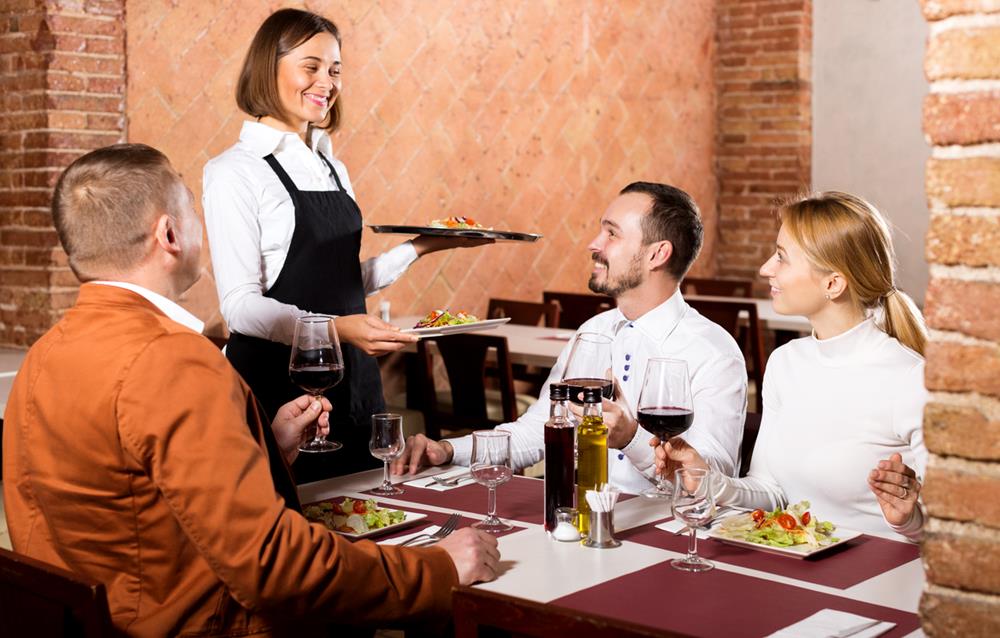
How to Handle Your First Shift as a Server Like a Pro

Your first shift as a server might feel like stepping into controlled chaos: plates clattering, orders being shouted across the kitchen, and customers waving for attention. But don’t worry—every experienced server has been in your shoes. Starting off strong comes down to preparation, staying calm, and learning as you go.
With a little guidance and some insider tricks, you’ll be balancing trays and winning over customers like a seasoned professional in no time.
Master the Menu and Special Items
Getting a strong grip on the menu and its special items is vital for your success as a server. Start by building menu familiarity; learn each dish's ingredients, preparation, and allergens to confidently address customer questions. This knowledge guarantees their safety and improves their dining experience. Suggest wine pairings or complementary sides to raise meals and increase sales.
Always stay informed about items that are "86'd" to manage expectations and keep service smooth. Practice menu presentations with colleagues to refine your communication skills. Your enthusiasm and expertise will make a lasting impression and help you excel in your role.
To enhance your mastery, engage with team members to share knowledge and tips, which will provide insights into menu nuances and ensure you're always informed about any changes.
Arrive Early and Be Prepared
Starting your shift on the right foot begins before you even clock in. Aim to arrive 10–15 minutes early to settle in and review any updates, like daily specials or menu changes. Bring essentials, such as a notepad, several pens, and a positive attitude. Being prepared shows your team that you’re dependable and ready to take on the day.
Navigate the Restaurant Layout and POS System
Once you're confident with the menu, it's time to get familiar with the restaurant's layout and the POS system. Start by noting the locations of key areas like the kitchen, restrooms, and dining sections. Efficient navigation will save you time during service. Know where support staff—hosts, bussers, and bartenders—are stationed, so you can access help quickly when needed.
Familiarity with the daily specials is essential for customer inquiries and can also help you engage with guests more confidently. Next, engage with the POS system. Practice accessing different menus, inputting orders, and processing payments. The more comfortable you are, the fewer errors you'll make.
Use training sessions to master firing tickets, splitting checks, and applying discounts. Finally, review the table chart and seating plan before your shift to manage guest seating efficiently. This preparation will optimize your workflow and improve your service.
Enhance Customer Interactions
View this post on Instagram
Although working a busy shift can be challenging, effective teamwork often transforms chaos into harmony. Welcome positive team dynamics by proactively assisting colleagues—whether it's restocking supplies or delivering orders. This fosters a supportive environment, improving overall efficiency during peak times. Clear communication strategies with kitchen staff and coworkers are vital, especially on high-traffic days like Mother's Day. Foster strong relationships with back-of-house staff to improve coordination and guarantee a smoother workflow, which directly improves the guest dining experience. If you're overwhelmed, don't hesitate to ask for help. Sharing the load strengthens team camaraderie and elevates morale. Celebrate small victories together, such as handling a high-volume service, to reinforce collaboration and motivate everyone to keep working effectively. While improving your upselling techniques can raise sales, ensuring the safety and satisfaction of diners is likewise significant. Start by familiarizing yourself with the eight main allergens: wheat, soy, milk, eggs, tree nuts, peanuts, fish, and shellfish. This allergy awareness helps address customer concerns effectively. Always ask guests about allergies when taking orders to minimize contamination risks. Use your reservation system to tag any allergy information, ensuring seamless communication with the kitchen staff. Order verification is essential—double-check orders with guests before sending them to the kitchen. This reduces mistakes, prevents unnecessary wait times, and increases guest satisfaction. Implement a protocol for verifying orders in the POS system to improve accuracy and minimize food waste. On your first day, mastering the fundamentals is more important than trying to impress anyone. Learn how to greet tables promptly, take orders clearly, and ensure drinks are served quickly. Keep it simple—guests appreciate attentiveness and warmth more than flair. Start with presentation techniques by confirming your attire is clean and your grooming is neat. This helps establish a positive initial impression. Master etiquette basics like serving food from the left and clearing plates from the right, which shows respect for your guests' space. It’s inevitable—things will go wrong on your first day. Whether it’s mixing up orders or forgetting table numbers, mistakes happen to everyone. The secret is to stay calm and resolve issues quickly. For example, if you bring the wrong dish to a table, apologize sincerely and assure the guests it’ll be fixed right away. Handling errors gracefully earns you respect from both customers and coworkers. Serving is a juggling act, especially during busy hours. Use small tricks like grouping tasks (e.g., refilling drinks for multiple tables at once) or noting orders in shorthand. As you gain experience, managing your time will become second nature, but starting with basic organization ensures nothing slips through the cracks. Your last interactions with customers are just as critical as the first. Thank guests for dining, invite them to return, and make sure they leave with a good impression. According to a 2022 report by the National Restaurant Association, diners who experience friendly service are 50% more likely to revisit a restaurant. By staying prepared, listening to experienced colleagues, and focusing on the needs of your guests, you’ll navigate the learning curve like a professional. Remember, every seasoned server once faced the challenges you’re tackling today.Manage Busy Shifts With Efficiency
Utilize Teamwork and Support
Execute Upselling Techniques
Address Allergies and Minimize Mistakes
Develop Presentation and Etiquette Skills
Reflect and Learn From Each Shift Experience
Anticipate Guest Needs
Keep Calm During Mistakes
Final Thoughts