How to Optimize Dishwashing for Maximum Productivity in Restaurants

Let’s face it—dishwashing isn’t the most exciting part of running a restaurant, but it’s one of the most crucial tasks. The smoother and quicker you can get those dishes sparkling clean, the more efficient your kitchen will be. Not only does it keep your staff moving, but it also keeps your customers happy with clean plates, glasses, and utensils.
Optimizing your dishwashing process is more than just about speed. It’s about making sure the dishes are spotless, the workflow is seamless, and everyone in the kitchen is on the same page. Let’s break down how you can make your dishwashing operation a well-oiled machine, saving time, money, and effort along the way.
Set Up the Perfect Dishwashing Station
First things first—your dishwashing station setup can make or break your kitchen’s efficiency. If the layout is disorganized, you’re probably wasting a lot of time just getting dishes from point A to point B.
Here’s the key: Create a logical flow. You need a clear system from the moment dirty dishes come in to the moment clean ones go out. Set up your station so that everything moves in one direction. Have separate areas for pre-scraping, washing, rinsing, and drying. This way, your team knows exactly where to go for each step, and no one’s tripping over each other.
Also, invest in the right equipment. You’ll need a commercial dishwasher that fits your needs, as well as separate sinks for washing and sanitizing, pre-rinse sprayers, and drying racks. Make sure all of your cleaning tools and detergents are close by to save precious seconds. And don’t forget, having the right tools means your staff will spend less time scrubbing and more time cleaning effectively.
Streamline the Dishwashing Process
Once you’ve got the station set up, it’s time to streamline the actual dishwashing process. The best way to do this? Create a routine that’s easy to follow. If everyone on your team follows the same steps every time, things will move much faster and smoother.
Start with pre-scraping. Every dish should be scraped clean of food debris before it goes anywhere near the dishwasher. This keeps clogs out of the machine and improves cleaning performance. From there, sort your dishes. Group similar items together—plates with plates, glasses with glasses, and so on—so that the washing cycle can be more efficient.
And remember, loading the dishwasher is an art. Load larger items, like pots and pans, on the bottom rack and smaller items, like utensils and glasses, on the top. Not only does this maximize space, but it also ensures that everything gets a thorough clean.
Pre-Scrape and Sort
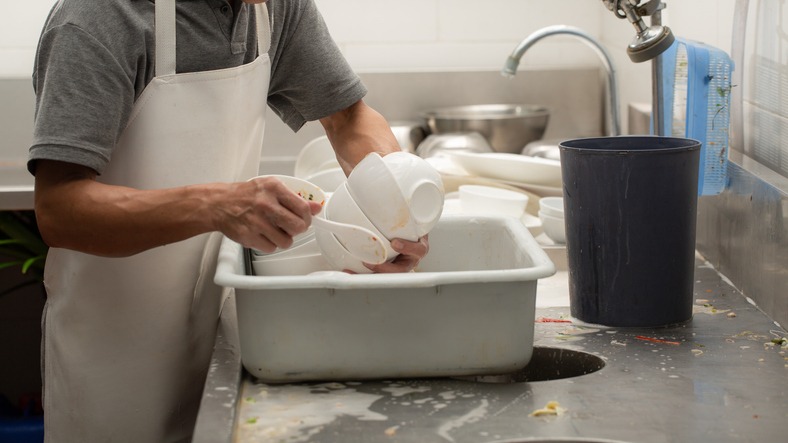
We already mentioned it, but let’s take a moment to really appreciate how important pre-scraping and sorting are. These simple steps can make a massive difference in how productive your dishwashing process is.
Pre-scraping is all about getting rid of the big stuff—leftover food, sauces, and other debris—before dishes hit the washer. Not only does this prevent clogs in your dishwasher (which can lead to costly downtime), but it also makes the entire cleaning process more effective. No one wants to rewash a dish because a stray bit of pasta sauce didn’t come off the first time.
Sorting is equally important. By organizing dishes by size, shape, and material, you’re making sure that everything fits nicely in the dishwasher, and the water can flow freely. Plus, it reduces the chances of breakage since items won’t bump into each other during the wash.
Maximize Your Dishwasher’s Capacity with Smart Loading
Dishwasher loading might seem straightforward, but there’s a method to the madness if you want to get the most out of every cycle.
The golden rule here is simple: Don’t overcrowd the dishwasher. Overloading leads to poor cleaning performance because water and detergent can’t reach every surface. On the flip side, underloading wastes water and energy.
So, how do you find that sweet spot? Sort dishes by size and type before loading. Place larger items on the bottom and smaller ones on the top, and make sure there’s space between each item so water can circulate.
It’s also worth using specialized racks for cutlery, glassware, and utensils. These racks not only save space but also protect fragile items, like glasses, from getting damaged. Regularly training your staff on the best loading techniques will ensure that everyone’s on the same page, and your dishwasher will run as efficiently as possible.
Choose the Right Detergents and Rinse Agents
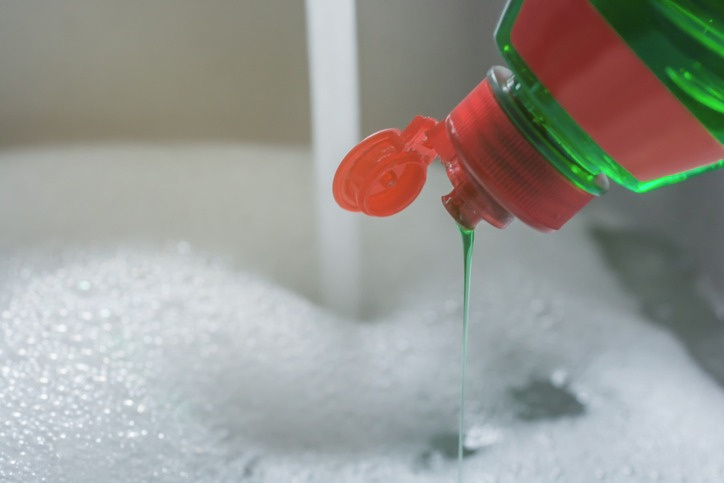
No matter how well you load your dishwasher, the quality of your cleaning products will make a huge difference. Using commercial-grade detergents specifically designed for restaurant use is a must. These detergents are formulated to break down stubborn grease, grime, and food residue.
Also, consider the type of water your restaurant uses. If your area has hard water, it can reduce the effectiveness of detergents, leaving residue on your dishes. Using water softeners or detergents designed for hard water can solve this problem.
And don’t forget about rinse agents. These little helpers prevent streaks and spots, especially on glassware, leaving your dishes looking polished and ready for service. Using a quality rinse agent also saves time because you won’t have to hand-polish anything coming out of the dishwasher.
Rinse and Soak
Let’s talk about rinse and soak techniques, which are two small steps that can make a big difference in your dishwashing game.
Rinsing dishes right after they’ve been used prevents food from drying and becoming a nightmare to clean later on. If you rinse items immediately, your dishwashing staff won’t have to waste time scrubbing dried-on food, and your dishwasher won’t be working overtime trying to clean stubborn stains.
For tougher items, a good soak in hot water and detergent works wonders. Soak pots, pans, and dishes with burnt-on food for 10-15 minutes before scrubbing or loading them into the dishwasher. You’ll be amazed at how much time this can save as the soak loosens food particles, making them easier to wash off.
Keep Your Dishwasher in Top Shape
A well-maintained dishwasher is the backbone of any kitchen. It’s no use optimizing the dishwashing process if your equipment isn’t up to the task. To avoid breakdowns and keep things running smoothly, you’ll need to set up a regular maintenance schedule.
This includes cleaning filters and spray arms regularly to keep water pressure strong and ensure an even clean. A common issue in restaurant kitchens is the buildup of limescale, especially in areas with hard water. Limescale can reduce efficiency and even damage your dishwasher over time, so make sure you’re descaling your machine as recommended by the manufacturer.
Keeping maintenance logs helps you stay on top of this. That way, you’ll know exactly when to clean, service, or replace parts before something breaks down during a busy dinner rush.
Train Your Staff and Assign Roles
Now, none of this works without a well-trained staff. It’s not enough to just set up the equipment and hope for the best. Regular staff training ensures that everyone knows how to pre-scrape, sort, load, and maintain the dishwashing station properly.
You can also assign specific roles to streamline the process. For example, one person handles pre-scraping while another loads the dishwasher, and a third dries and stores clean dishes. This keeps the operation moving without anyone stepping on each other’s toes.
Consider role rotation to keep things fresh and prevent burnout. When staff members are familiar with all aspects of dishwashing, they can jump in wherever needed, ensuring a smooth operation no matter what.
Be Kind to the Environment
In today's world, environmental impact is something every restaurant should be thinking about. Luckily, optimizing dishwashing doesn’t just save time and money—it can also reduce your environmental footprint.
Switch to eco-friendly, biodegradable detergents that are tough on grease but gentle on the planet. These products are widely available and are a great option for restaurants looking to go green.
You should also invest in water-saving equipment, like low-flow faucets and high-efficiency dishwashers. These reduce water waste while still getting your dishes perfectly clean. Also, make sure your team knows not to run the dishwasher unless it’s full—that’s an easy way to save both water and energy.
Lastly, consider using reusable utensils and dishware instead of disposable ones. This not only cuts down on waste but also saves you money in the long run.
Don’t Skimp on Hygiene
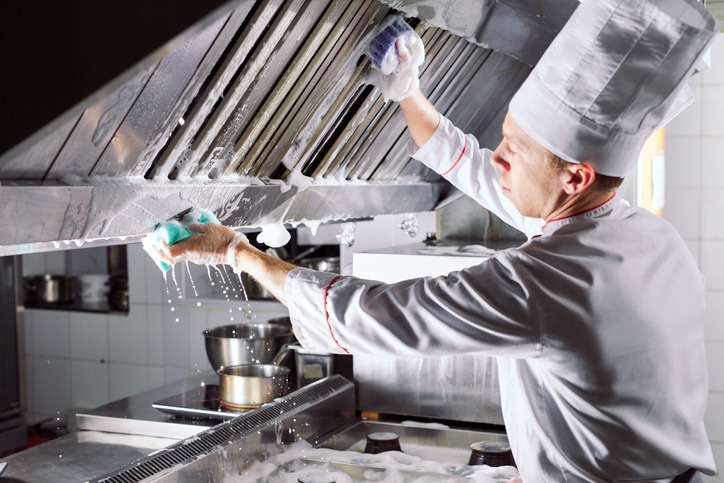
While having clean dishes is important, keeping your kitchen sanitized is just as critical. Your dishwashing process should include a sanitization step to ensure that dishes aren’t just clean—they’re safe to use.
Commercial dishwashers have built-in sanitization cycles that reach high temperatures to kill bacteria and germs. Make sure your machine is set to the right temperature: 55-60°C for washing and at least 82°C for rinsing. This ensures that your dishes are thoroughly sanitized and ready for your customers.
Train your staff to handle dirty dishes carefully. They should be wearing gloves, using separate cleaning tools for different types of dishes, and following proper sanitization procedures to avoid cross-contamination.
Final Thoughts
Optimizing dishwashing for maximum productivity in a restaurant is all about creating a system that’s efficient, organized, and easy to follow. By setting up your station correctly, training your staff, and maintaining your equipment, you can make sure that your dishwashing process runs smoothly, even during the busiest shifts.
Not only will this save time and reduce costs, but it will also keep your kitchen running like a well-oiled machine. Plus, by adopting eco-friendly practices and following proper sanitization procedures, you’ll ensure that your restaurant stays safe, sustainable, and compliant with health regulations. When you invest in the dishwashing process, you’re really investing in the overall success of your restaurant.