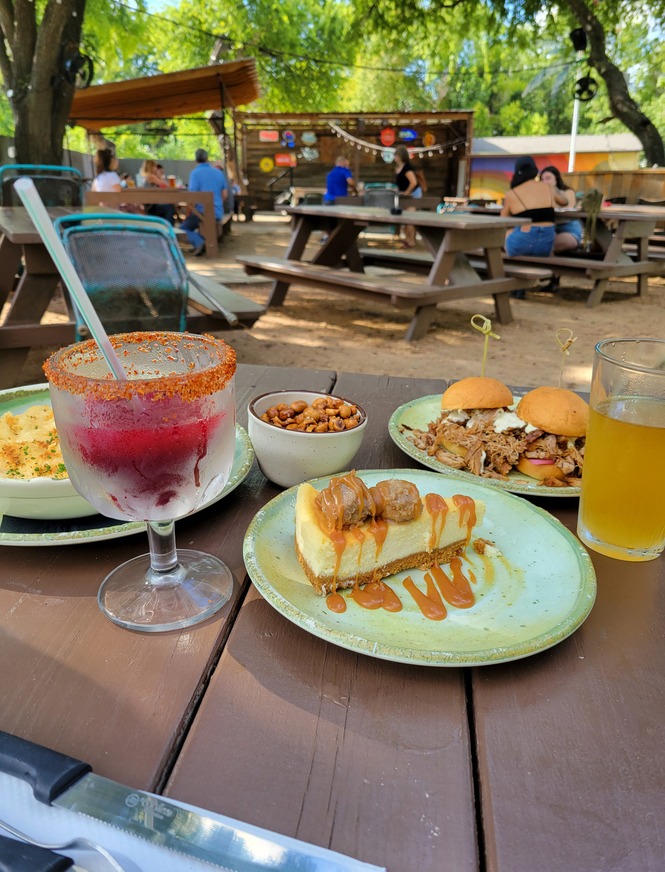
lunch on a table in Austin, Texas outdoor dining
You're on the clock in a city where tacos meet tech, and Southern hospitality blends with hipster cool. Your shift in an Austin restaurant unfolds in three acts: the calm before the rush as you prep stations and note the specials, the controlled chaos of peak service when you're juggling orders and personalities, and finally, the wind-down when tips are counted and tomorrow’s plans take shape. What makes Austin different? That’s where the real story begins.
Behind the Scenes: A Typical Day in an Austin Restaurant
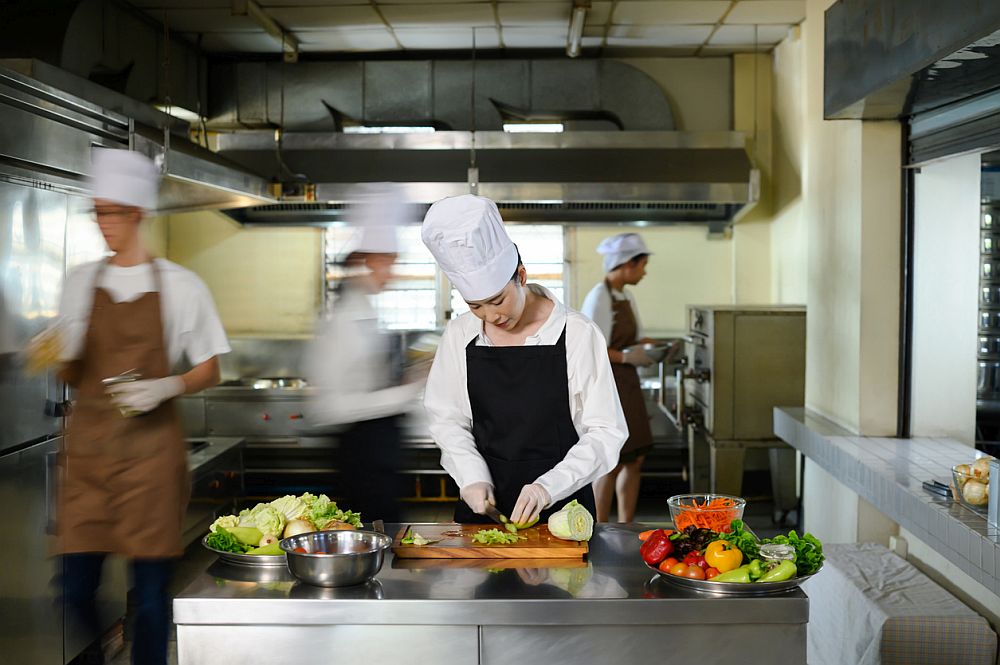
Five distinct phases mark the rhythm of Austin’s restaurant operations, each with its own tempo and challenges. You’ll start with early prep—organizing ingredients and setting up stations while coordinating workflow across both kitchen and dining areas. Front-of-house teams simultaneously set menus and review reservations to optimize guest flow.
When service peaks, you’re juggling multiple tasks while upholding quality standards amid the bustle. Communication becomes essential as orders move between kitchen and wait staff. Because restaurants aim to create memorable experiences, training and execution have to stay aligned with evolving guest expectations.
After the rush, you’ll pivot to post-service duties: cleaning, restocking, and quick team huddles to address feedback.
On weekends, you’ll adapt to Austin’s vibrant scene with staggered breaks and adjusted staffing to handle the higher volume of diners seeking that laid-back local experience.
The Art of Balancing Service and Southern Hospitality
Southern hospitality sits at the heart of Austin’s service culture, where you’ll need to balance efficiency with authentic warmth. Even while managing staffing gaps, you’re expected to engage guests through genuine conversation and still keep service prompt.
Today’s Austin restaurants lean on technology to support hospitality, freeing you to focus on human connection rather than paperwork:
- Digital ordering systems reduce back-and-forth
- Contactless payments streamline checkout
- Social platforms extend hospitality beyond the table
You’ll find yourself blending fast-paced demands with Austin’s relaxed vibe. As labor pressures persist, your ability to embody hospitality while leveraging tech becomes especially valuable—helping restaurants maintain standards despite industry headwinds. With well over a thousand restaurants citywide, Austin offers ample opportunities for pros who can pair charm with consistency.
Navigating the Culture Clash: Corporate Policies vs. Austin’s Vibe
Working in Austin often means standing between two worlds. Corporate brands expect standardized protocols and appearance guidelines, while Austin’s culture celebrates authenticity and personal connection.
You’ll face daily trade-offs: honoring corporate timekeeping, uniform policies, and service checklists without losing the neighborhood energy that defines Austin hospitality. Compliance trainings and audits can feel at odds with the spontaneity valued by both staff and guests.
The most successful employees learn to translate those requirements—meeting corporate expectations while still delivering the personalized, relaxed service Austin diners expect. That alignment matters, especially since consistently higher-rated venues tend to see stronger revenue across segments.
From Food Trucks to Fine Dining: Diverse Work Environments
View this post on Instagram
Austin’s eclectic food scene also means markedly different work settings. Food trucks demand adaptability in compact spaces where team dynamics revolve around multitasking and efficiency. You’ll navigate cashless transactions and integrated tech that boost throughput despite tight quarters.
The settings contrast across the city’s culinary landscape:
- Food trucks offer mobility and flexibility with startup costs that are significantly lower than brick-and-mortar
- Onboard kitchens require streamlined workflows and weather resilience
- Fine-dining rooms provide structured schedules, climate control, and specialized roles
Rather than fixating on a single dollar figure, think of trucks as a lower-barrier entry point in a city that embraces diverse culinary experiences—innovation with convenience.
Making a Living in Austin’s Competitive Restaurant Industry
As Austin’s culinary footprint expands, you’re stepping into an industry that contributes billions to the regional economy. Growth brings opportunity and pressure—more openings, more competition, and tighter margins.
Work-life balance can be tough. With labor costs elevated and turnover persistent, some operators are testing menu price adjustments or clearly labeled service charges to stabilize payroll and benefits. Many full-service restaurants are still rebuilding staffing relative to pre-pandemic baselines.
Your earning potential depends on venue, role, and schedule, but statewide forecasts point to continued job growth in foodservice through the decade. Smart operators invest in supportive workplaces and clear advancement paths to retain talent like you.
Tech Meets Tradition: How Austin Restaurants Are Evolving
Austin’s restaurant scene mirrors the city itself: part tech hub, part cultural stronghold. Mobile-centric ordering has reshaped the guest journey, and QR menus—used judiciously—can streamline service without erasing personality.
Behind the scenes, data-driven tools are changing operations:
- Many operators now test AI-aided forecasting and scheduling
- Guest-experience tools help track feedback in real time
- Inventory systems reduce waste and protect food cost
On any given shift, you’ll straddle two worlds—traditional hospitality and cutting-edge systems that influence everything from pacing to marketing.
Building Community Through Food Service
Beyond technology, the heart of Austin’s food scene is its community impact. When you work in this industry, you’re part of coalitions that expand access to healthy food—mobile markets, relief kitchens, and neighborhood partnerships that prioritize culturally relevant nutrition.
You might support food-rescue efforts, pop-up produce stands in underserved areas, or emergency distributions after storms and heat waves. Multilingual outreach and collaboration with local nonprofits underscore Austin’s commitment to inclusive food initiatives.
Austin’s food workers don’t just serve plates—they build equity, foster belonging, and strengthen neighborhood ties.
Career Paths and Growth Opportunities in Austin’s Food Scene
Austin offers a wide spectrum of career paths within a statewide industry employing over a million Texans. Entry points through trucks and casual spots require minimal experience while exposing you to varied cuisines.
As you advance, Austin’s innovative environment opens doors to:
- Specialization in barbecue, Tex-Mex, or pastry
- Growth from line cook or server into training, beverage, or management roles
- Independent ownership via pop-ups, markets, and partnerships
The path to entrepreneurship is bolstered by festivals and collabs that boost visibility. Despite rising costs, a supportive business climate and steady tourism continue to create room for advancement.
Surviving the Shift: Self-Care for Austin Food Service Workers
Three challenges define the day-to-day: physical fatigue, mental-health strain, and financial uncertainty. Managing them takes intentional habits.
Even with camaraderie, you’ll need personal support to counter stress. Guest interactions can escalate, so de-escalation skills and peer check-ins help. If substance use has crept in as a coping tool, consider sober-support communities tailored to hospitality.
Irregular schedules and limited benefits can complicate care—yet basic health routines, affordable counseling resources, proper footwear, hydration, and sleep discipline are essential. The pandemic spotlighted these pressures; deliberate self-care remains non-negotiable.