Oil Packaging Machine Innovations That Prevent Spills and Ensure Clean Filling
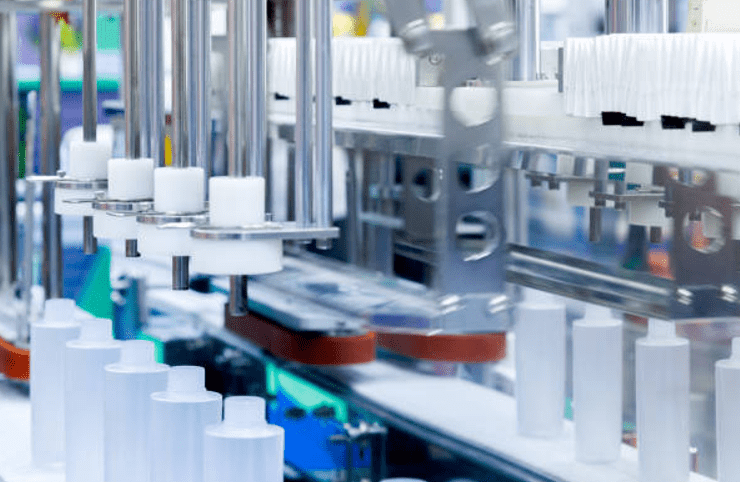
Filling the fats and oils into their respective containers requires a high degree of precision, oil spill free filling, and clinical cleanliness, especially in the food industry. Due to rampant consumption of oils, cooking oils, essential oils, and even industrial lubricants, there are more and more quality requirements. This is why manufacturers are investing in advanced food processing and packaging machines. One of the most critical parts is the oil filling machine. It ensures clean, spill-free filling which greatly balances productive processes and waste reduction. With current innovations, producers are able to handle oils more effectively and automate the entire fill-line operations which greatly improves cleanliness, efficiency, and sustainability.
Intelligent Smart Filling Controls and Nozzle Technology
One of the most significant advancements made to oil filling machines is the creation of anti-drip and anti-leak nozzle systems. Unsurprisingly, old-style nozzles experienced great difficulties with residual drippage from filling stemming from overflowing oil vessels. Untamed spills led to loss of product and excessive amounts of dirt resulting from the oil sticking to equipment. Modern technology addresses the issue of micro dripping with vacuum suck-back systems, servo-controlled shut-off fill, and precision shut-off valves. Cleanliness is essential with regard to what oil goes into the consumer's tank. It does not only affect trust, but the shelf life of the product as well. Furthermore, the nozzles can be tailored to different container sizes and viscosities which enhances their value.
In addition to the above mechanical improvements, the introduction of smart automation has drastically improved the efficiency of oil packaging. Now, oil packaging machines are capable of self-monitoring and adjusting essential parameters like fill volume, speed, and viscosity compensating within set limits. These systems, utilizing real-time sensors, feedback data loops, and other readily available modern technology such as PLCs, HMIs, and IIoT, offer unparalleled monitoring to increase productivity while minimizing spills. The integration leads to smoother operations and greatly increases the standards of performance for food packaging without requiring constant oversight.
Appropriate Design for Safety and Compliance
In an oil packaging plant, hygiene is of paramount importance. Most modern oil packaging machines are designed to comply with international food safety policies like HACCP and GMP as well as ISO certifications. These include tools such as stainless steel construction, disassembly without tools, and surfaces that resist oil accumulation and are easy to clean. Many machines have clean-in-place (CIP) and sterilize-in-place (SIP) systems that enable internal cleaning without equipment dismantling, thus saving labor hours and reducing downtime. These advancements help ensure that vegetable, sunflower, olive, and even coconut oils are packaged devoid of contamination.
In addition, the contribution of structural hygiene to equipment lifespan and workers safety is significant by reducing slippage and exposure hazards. With a hygienic oil packaging machine and other food-grade sanitary processing and packaging equipment, companies can meet regulatory requirements without sacrificing production efficiency. Companies serving export markets face high health and safety requirements requiring full traceability and stringent cleanliness standards so these features become crucial.
Packaging Machine Flexibility and Its Environmental Impact
Flexibility has become an increasingly important consideration in the modern market, and so has the performance of oil packaging machines. Contemporary machinery is capable of effortlessly transitioning between formats, ranging from bulk oil containers and retail PET bottles to single-use oil sachets. This is particularly helpful for producers who service both household and industrial markets. Automated modular filling heads, changeover caps and universal conveyor belts enable different types of oils to be packaged into different containers with only a few adjustments.
Moreover, advanced models also complete hot-fill processes, nitrogen product preservation flushing, and tamper-evident capping all in one production line. This unparalleled flexibility is all how the oil packaging machine remains as one of the backbone fixtures in modern food processing and packaging equipment floors. As these machines improve, they, however, face the challenge of adjusting to global concerns by effortlessly reducing waste, material and energy consumption. The addition of servo motors and electric actuators, which replace the typically used pneumonic parts, significantly reduces power usage. These machines have the ability to further lessen their carbon footprint by making use of eco-friendly materials such as biodegradable films and lightweight containers.
Moreover, accurate dosing systems assist with eliminating overfilling, which saves product while also minimizing wasted packaging materials and shipping costs. These improvements assist with managing inventory and have a lower return rate due to leakage or damage. This also makes the workplace safer and more ergonomic, as the ability to deliver clean fills with minimal spillage is critical. Workers have to spend less time cleaning, while customers receive products needing no additional polish, surpassing their expectations in quality and standards.
Integration with End-of-Line Packaging Systems
Modern oil packaging machines don’t exist as single, isolated equipment anymore, as they are now parts of an entire system solution comprising an integrated end-of-line oil packaging machine. Such systems consist of labeling machines, cap tightening units, case erectors and palletizers, and are interconnected by dynamic software for coordinated functionality. Such integration permits manufacturers to manage synchronization of filling speeds and downstream operations such as bottlenecking, throughput enhancement, and overall efficiency. This transforms the packaging process into a streamlined and cost-effective operation resulting in decreased manpower investment.
The advanced machines can also be integrated with automatic quality control systems such as vision inspection, weight checking, and leak detection. This allows for instantaneous acceptance or rejection of defective products. Such measures significantly minimize consumer complaints and product recalls. These systems are vital for large-scale producers and contract packagers to maximize operational productivity while meeting client expectations. The harmonization between an oil packaging machine and sophisticated end-of-line systems enables us to understand the impact of innovations in food processing and packaging equipment in helping companies remain competitive in rapidly evolving global markets.
Conclusion
The advancement in the oil packaging machine is testimony of rest innovations elsewhere in the industry: increasing automation and precision, better hygiene, and responsible sustainability practices. Being one of the essential food processing and packaging equipment, these machines are developed with features that eliminate spills, clean fills ,and offer unparalleled accuracy across different oils, containers and formats, claim. Investing in advanced oil packaging technology becomes imperative for businesses whose goals include scaling production, minimizing waste, and complying with stringent safety standards. Companies can improve agility in operations, protect brand reputation, and strengthen their positioning in a competitive global market by selecting the appropriate machinery.