Survival Tips for Line Cooks in a Fast-Paced Restaurant Kitchen
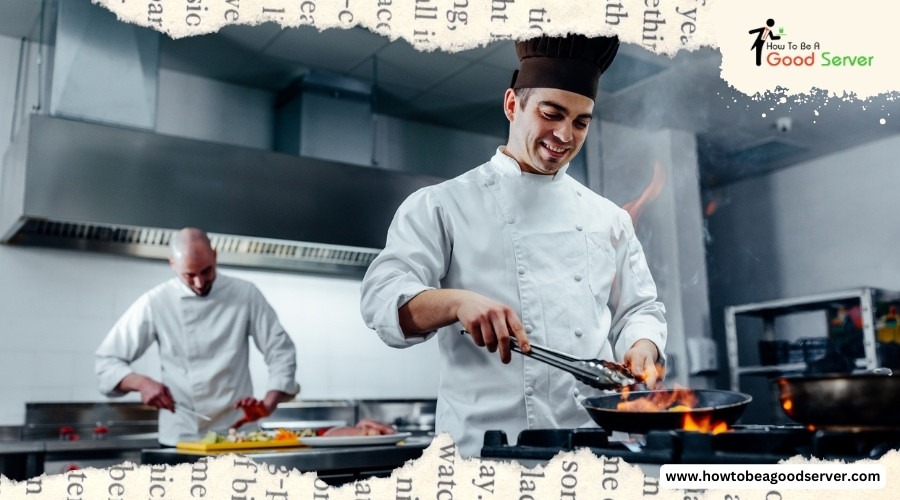
Working in a restaurant kitchen is no joke, especially when things get busy. The orders start flying in, everyone's moving a mile a minute, and it feels like you barely have time to breathe. But if you're a line cook, this is just another day at the job. Whether you're new to the kitchen or a seasoned pro, it's important to have a solid strategy for staying on top of things. It's not just about cooking good food – it's about keeping up the pace, staying organized, and managing the stress that comes with the job. Here are some survival tips to help you thrive in a fast-paced restaurant kitchen.
1. Stay Organized
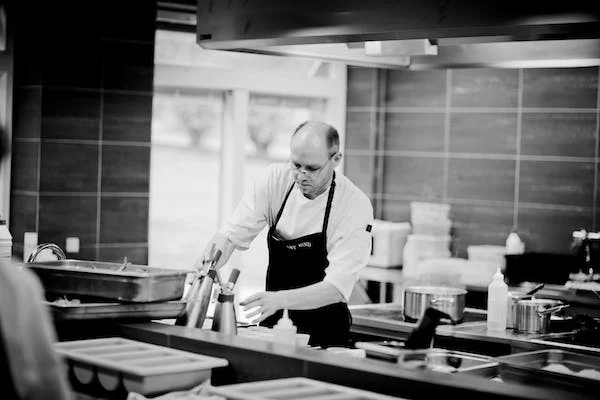
If there's one thing every line cook needs to master, it's mise en place. This French phrase means "everything in its place," and it's the backbone of any well-run kitchen. Before service begins, you need to have all your ingredients prepped, tools ready, and your station clean and organized. This might sound basic, but it's crucial when the orders start rolling in.
For instance, make sure your vegetables are chopped, your proteins are marinated, and your spices are measured out before things get busy. The more prep you do ahead of time, the easier it will be to handle the rush. There's no time to search for a missing ingredient when you're cooking multiple dishes at once. Having everything ready to go means you can stay focused and keep the flow going.
Also, don't forget to restock supplies regularly. Running out of a key ingredient mid-service is a nightmare. Keeping an eye on your inventory and restocking between orders ensures you won't be caught off guard.
2. Manage Your Time Like a Pro
When you're in the heat of service, every second counts. Managing your time well is a big part of surviving in a busy kitchen. One of the best ways to do this is by prepping as much as you can in advance. This could mean batch-cooking popular menu items or chopping and marinating ingredients ahead of time. By preparing large quantities in advance, you can save valuable time during service.
Timers are your friend. When you're cooking multiple dishes at the same time, it's easy to lose track of what's cooking and for how long. Setting timers for everything ensures that you don't overcook or undercook your food, which can lead to fewer mistakes and smoother service.
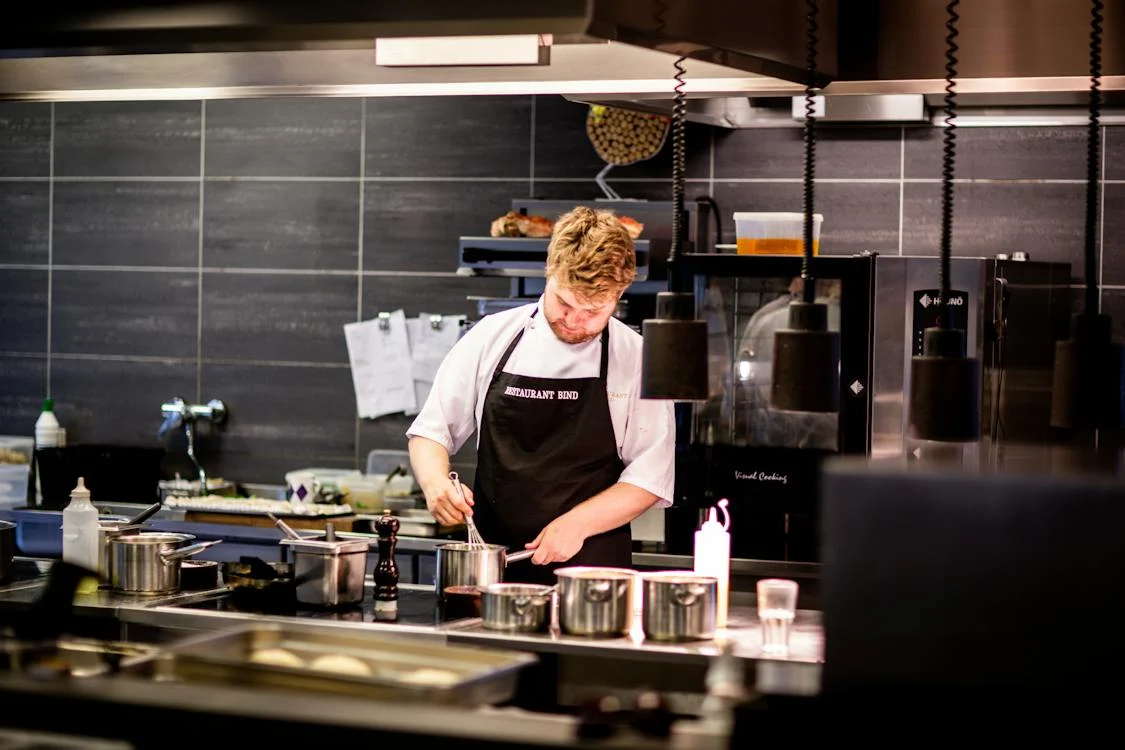
Another key skill is multitasking. If you're only focusing on one thing at a time, you're going to fall behind. Learn to work on multiple tasks at once. While one dish is roasting, you could be prepping another or plating up. It's all about juggling tasks efficiently and staying on top of everything that's going on.
3. Keep Calm When the Pressure is On
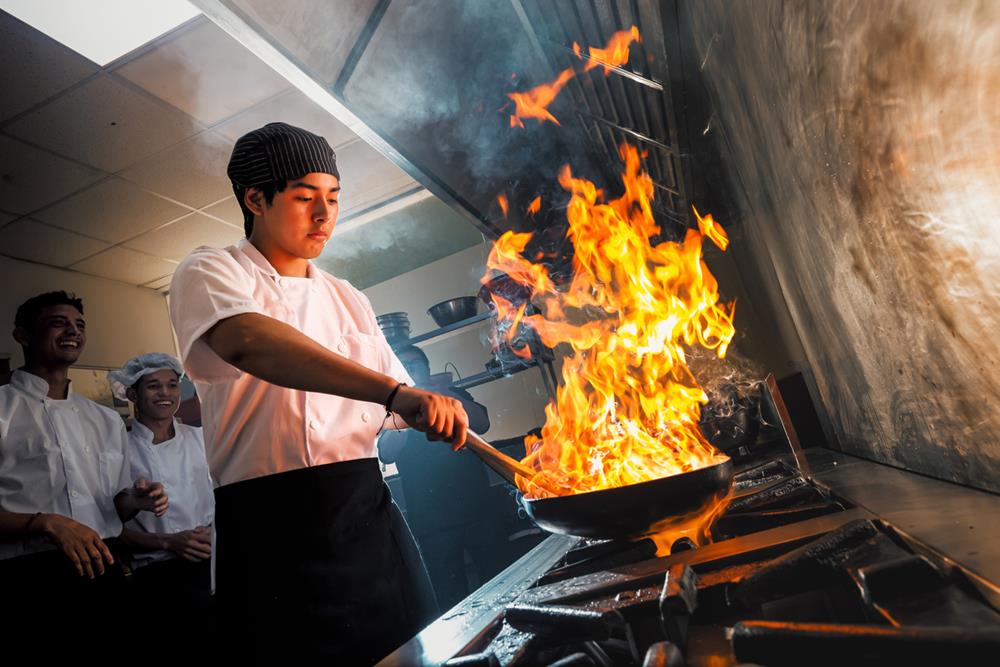
There's no denying that working in a fast-paced kitchen can be stressful. When orders start piling up, it's easy to feel overwhelmed. But losing your cool is a surefire way to make mistakes. Staying calm under pressure is one of the most important survival skills for any line cook.
Take a moment to breathe. It sounds simple, but taking a deep breath can help you refocus and calm your nerves. When things are getting hectic, stepping back mentally for just a second can make all the difference. It gives you a chance to gather your thoughts and prioritize what needs to be done.
It's also important to have a good relationship with your fellow cooks. In a busy kitchen, everyone relies on each other. Having a support system in place makes the stress more manageable. Whether it's helping each other out during a rush or just cracking a joke to lighten the mood, teamwork is essential.
4. Master the Art of Sauce and Heat Management
Sauce management might not sound like a big deal, but in a busy kitchen, it can make or break your service. For example, if you're handling a delicate sauce like hollandaise, you need to know how to maintain its consistency and temperature. A broken hollandaise can ruin an otherwise perfect dish, but knowing how to fix it (like whisking in a bit of boiling water or an extra egg yolk) can save you time and prevent a disaster.
Another thing to keep in mind is heat management. Kitchens are hot—there's no way around it. If you're standing in front of a stove for hours, you need to be smart about how you handle the heat. Use heat-resistant tools like silicone mitts and tongs to avoid burns, and make sure the kitchen has proper ventilation to keep things as cool as possible.
It's also a good idea to rotate tasks with your teammates. If you've been standing at the stove for a while, switch roles with someone else to avoid getting overheated and fatigued. Staying hydrated is also key, but instead of drinking ice-cold water (which can be a shock to your system), try sipping on warm beverages to stay balanced.
5. Communication is Key
A busy kitchen is like a well-choreographed dance. Everyone has their part to play, and communication is what keeps things running smoothly. As a line cook, you need to be able to communicate clearly and effectively with your team.
In the middle of a hectic service, non-verbal communication is just as important as verbal communication. A quick nod, hand signal, or glance can say a lot without you needing to shout over the noise of the kitchen. Learning to pick up on these cues will help you stay in sync with your team without disrupting the flow.
It's also crucial to maintain good communication with the front of house staff. Clear orders and consistent terminology reduce confusion and prevent mistakes. A quick chat with the servers before service starts can also help everyone stay on the same page, especially if there are specials or menu changes to keep in mind.
6. Build Your Physical and Mental Stamina
Working in a kitchen is physically demanding. You're on your feet for hours, lifting heavy pans, moving quickly from one station to another. If you want to survive the long shifts, you need to take care of your body.
Start by wearing comfortable, supportive shoes that can handle long hours of standing. Taking short breaks to stretch and rest your legs can help reduce fatigue and prevent injuries. If you have the chance to sit down for a minute or two during a lull in service, take it!
But it's not just about physical stamina—mental stamina is just as important. A busy kitchen can be mentally exhausting, especially when you're dealing with constant pressure. Practicing mindfulness techniques, like deep breathing or taking a moment to collect your thoughts, can help keep you sharp and focused.
7. Respect the Kitchen Hierarchy
In a restaurant kitchen, there's a clear hierarchy, and it's important to understand where you fit in. Respecting the roles of your fellow cooks and chefs is crucial to keeping the kitchen running smoothly. Whether you're a prep cook or a sous chef, knowing your responsibilities and sticking to them helps maintain order.
At the same time, don't be afraid to ask for help when you need it. The kitchen is a team environment, and supporting each other is key to a successful service. If you're struggling with a task or falling behind, letting someone know can prevent mistakes and keep things on track.
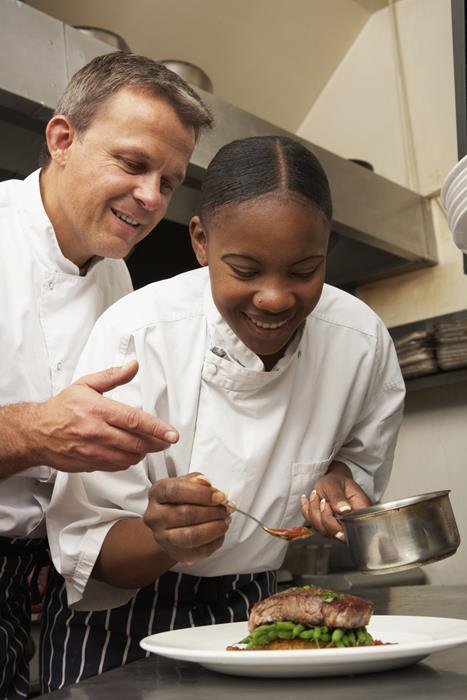
8. Never Stop Learning
No matter how good you are as a line cook, there's always room to grow. The best chefs are always looking for ways to improve their skills and expand their knowledge. Whether it's mastering a new technique, learning how to plate dishes more beautifully, or studying different cuisines, there's always something new to learn in the kitchen.
If you're aiming to move up the culinary ladder, be patient. Mastering each station and learning the ins and outs of the kitchen takes time. But by consistently improving and taking on new challenges, you'll set yourself up for success.
Conclusion
Being a line cook in a fast-paced kitchen can be tough, but it's one of the most rewarding jobs out there. The secret to surviving the chaos? Stay organized, manage your time like a pro, communicate clearly, and build up your physical and mental stamina. Once you get a handle on those, even the busiest shifts will feel a lot easier.
And here's the thing—every shift is a chance to learn something new. Whether you're improving your mise en place or figuring out how to deal with the heat, there's always room to grow. So, embrace the hustle, connect with your team, and keep pushing yourself to get better. Sure, the kitchen can be intense, but with the right mindset and skills, you'll thrive.