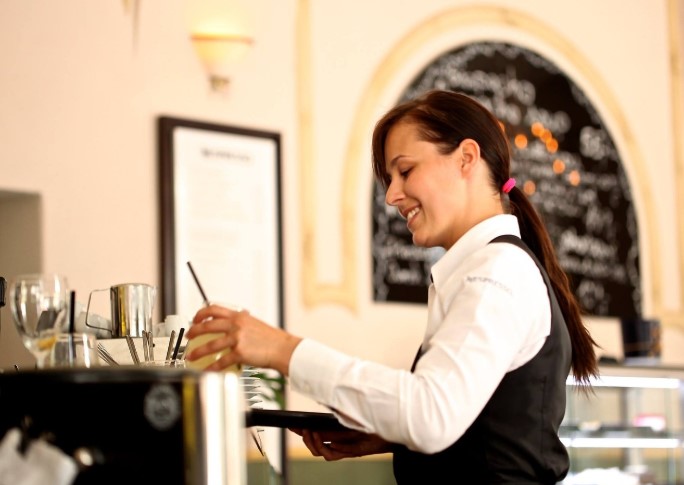
Life as a restaurant server isn’t for the faint of heart. It’s fast-paced, demanding, and full of surprises. One moment, you’re expertly balancing plates, and the next, you’re soothing a hangry guest whose steak isn’t medium rare enough. Servers juggle long hours, high expectations, and the constant pressure to keep guests happy—all while staying on their feet for hours on end.
Managing High Stress Levels
Although serving in a restaurant can be rewarding, it often comes with high stress levels due to the fast-paced environment. You might find yourself juggling tasks, feeling overwhelmed by peak hour demands. To manage this, focus on stress relief by adopting effective coping strategies. Prioritize time management—by doing so, you can reduce stress by up to 30%.
Mindfulness techniques, like deep breathing exercises, can cut stress in half during those hectic shifts. Regular communication with your team is vital; check-ins can decrease workplace anxiety by 40%. Moreover, engage in training programs centered on conflict resolution and customer service.
These programs can improve your job satisfaction by 25%, equipping you to handle stressful situations with ease. Additionally, acknowledging the psychological effects of being a server, such as low self-esteem and stress, can help you develop more empathy and understanding for yourself and your coworkers.
Juggling multiple tables at once is a common challenge for servers, but effective multitasking can considerably improve your efficiency. Start by mastering table organization to keep track of orders and service timing. Prioritize tables based on order complexity and immediate needs.This service prioritization guarantees each guest feels attended to without delay. Utilize technology, like handheld POS systems, to streamline tasks and focus more on customer interaction. Manage your time wisely, allocating it strategically to address each table's needs promptly. Practice clear communication with kitchen staff and colleagues to minimize errors and delays.By honing these skills, you can increase your efficiency by up to 30% and maintain high-quality service, guaranteeing every guest leaves satisfied. Anticipate when guests may request the check by printing checks in advance for tables likely to finish dining, which streamlines the checkout process and enhances guest satisfaction.
Dealing With Difficult Customers
Managing multiple tables efficiently is not the only hurdle servers face; dealing with difficult customers can also be a significant challenge. Customer empathy plays an essential role in these situations. By actively listening, you can understand their concerns and diffuse tension, which may enhance customer satisfaction by 30%.Conflict resolution skills are critical; they empower you to handle tough encounters and reduce complaints by 25%. Clear boundaries allow you to politely refuse unreasonable requests, helping decrease conflict and improve morale.Staying calm and using positive language can transform a negative experience, with 70% of customers willing to return after excellent service following a complaint. Remember, managing stress and maintaining empathy can turn challenges into opportunities for growth.
Effective communication skills are essential for servers aiming to improve customer satisfaction and increase their earnings. By honing these skills, you can guarantee guests enjoy a seamless dining experience and are more likely to return. Here's how you can elevate your communication:
Active Listening: Repeat orders back to guests. This not only guarantees accuracy but also reduces order mistakes by about 30%, showing customers you're attentive.
Non-Verbal Communication: Use positive body language and maintain eye contact. This creates a welcoming environment, making guests feel comfortable and engaged.
Conflict Resolution: Equip yourself to handle difficult situations calmly. Being prepared to resolve issues swiftly can maintain a positive atmosphere, enhancing customer retention by up to 15%.
While working as a server, prioritizing tasks effectively is vital to ensuring smooth operations and satisfied customers. Start by implementing task categorization to identify which tasks are urgent and significant. This could involve using tools like to-do lists or digital task management apps to track responsibilities.Remember, focusing on one task at a time is key, as studies show you're 25% more efficient this way than multitasking. Emphasize sequential focus by tackling high-impact tasks such as taking orders and delivering food initially. Regular communication with your team about priorities can also improve coordination and prevent service delays.Consider using the Eisenhower Matrix to systematically distinguish between urgent and significant tasks, elevating efficiency during peak hours.
Maintaining a Positive Attitude
Although the fast-paced environment of serving can be demanding, maintaining a positive attitude is essential for success. Studies show that cheerful servers often receive higher tips, up to 20% more. To elevate your outlook, consider these strategies:
Positive Affirmations: Start your day with affirmations like "I'm making a difference" to build confidence and a cheerful demeanor.
Gratitude Journaling: Spend a few minutes each day jotting down things you're grateful for. This simple act can improve your mood and job satisfaction.
Mindfulness Exercises: Engage in brief mindfulness practices, such as deep breathing or grounding techniques during breaks. This helps reset your mindset and maintain positive interactions.
Leveraging Teamwork for Efficiency
By fostering a strong sense of teamwork, you can greatly improve efficiency in the fast-paced world of serving. Encouraging open communication among your team can elevate efficiency by 25%. When everyone shares insights and assists each other during peak hours, team dynamics improve considerably.Implementing collaborative strategies, like a buddy system, allows experienced servers to mentor newcomers, cutting training time by 30%. Pre-shift team huddles help identify challenges and streamline service, reducing errors by 15%. Assigning specific roles during busy times, such as runners or drink servers, improves workflow and slashes customer wait times by 20%.Additionally, leveraging technology, such as shared order management systems, increases order accuracy by 40%, ensuring customer satisfaction.
Importance of Ongoing Training
Recognizing the necessity of ongoing training is crucial in maintaining and improving service quality. Investing in structured training methods greatly increases customer satisfaction, with a potential 25% rise, as you'll be better equipped to meet diverse needs. Here's how ongoing training benefits you:
Skill Development: Regular sessions improve your confidence and value, leading to a 30% drop in turnover as you develop important skills.
Order Accuracy: By enhancing your product knowledge, training can reduce errors by 20%, minimizing costly mistakes.
Job Performance: With 70% of your peers acknowledging its importance, continuous learning is critical for excelling in service roles.
Each dollar spent on training returns $4.53, increasing sales and loyalty.
Balancing Speed With Quality Service
When you're serving tables, the challenge of balancing speed with quality service is a daily reality. Customers expect quick service speed, yet they also value quality interactions. To meet these demands, prioritize table requests to manage your time effectively.This approach guarantees each guest receives attention without compromising your efficiency. Improve your skills through training programs focusing on multitasking and time management, which can raise customer satisfaction by up to 30%. Utilize technology like handheld ordering devices to streamline the process and maintain focus on customer needs.Clear communication with the kitchen reduces wait times and errors, improving service quality. By integrating these strategies, you'll create a dining experience that's both fast and personalized, satisfying every customer.
Steering through the diverse landscape of customer needs can feel intimidating, yet it presents an opportunity to improve the dining experience. With 30% of diners having dietary preferences like gluten-free or vegan, understanding these needs is vital. Here's how you can adapt:
Engage and Inquire: Ask your guests about their dietary preferences and offer personalized recommendations. This shows care and builds rapport.
Menu Mastery: Know the ingredients and preparation methods of each dish. This knowledge empowers you to address customer inquiries confidently and meet dietary needs without compromising quality.
Track Preferences: Implement a system to record dietary preferences and restrictions. Restaurants using this strategy see a 20% increase in customer satisfaction, improving service personalization.
Final Thoughts
Being a server is one of the most challenging—and rewarding—jobs out there. It requires grit, patience, and a healthy sense of humor to thrive in such a fast-paced environment. By tackling these challenges head-on and using the tips above, you can navigate even the toughest shifts with confidence.