The Importance of Food and Drink Runners in Enhancing Customer Experience
When you think about great dining experiences in a restaurant, what comes to mind? Is it the ambiance, the quality of the food, or the attention to detail from the staff? Chances are, it's a mix of all these elements. But one key player in making sure your meal goes off without a hitch often goes unnoticed—food and drink runners.
Food and drink runners may not interact with customers as much as waitstaff, but their role is just as important in delivering quality service. From the moment the chef finishes plating your dish to the second it reaches your table, the runner ensures everything goes off without a hitch.
Let us dive into how they contribute to an overall great dining experience.
What Do Food and Drink Runners Actually Do?
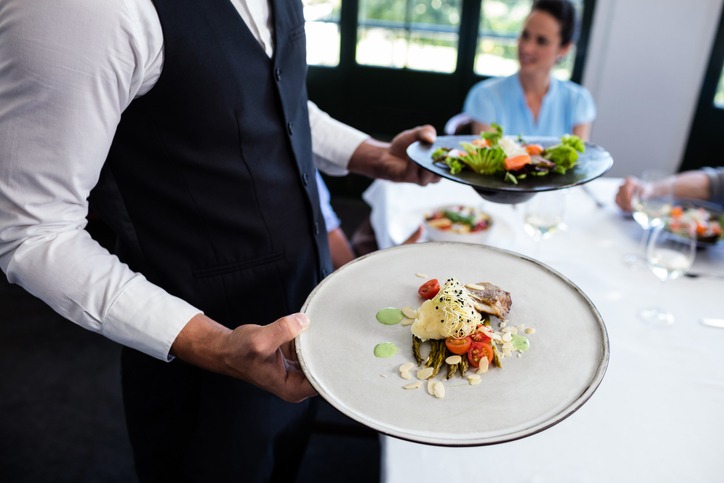
At first glance, you might think food and drink runners are just there to shuttle plates from the kitchen to your table. While that’s part of the job, it’s far from the whole picture. These runners serve as the bridge between the kitchen and the dining room; their job is to ensure everything happens in sync.
They manage the flow of food and drinks, ensuring everything arrives at the right table at the right time. But it’s not just about speed—accuracy is critical. A good runner knows which dish goes to which table, understands any special requests (like dietary restrictions), and can communicate effectively between the front and back of the house.
This seamless coordination is especially important when there’s little room for error during busy hours. By keeping things running smoothly, food and drink runners make sure that both the kitchen and the waitstaff can focus on what they do best.
Making the Dining Experience More Efficient
We’ve all been there: you’re starving, the restaurant is packed, and you’re waiting for what feels like forever for your food to arrive. This is where food and drink runners come in. By handling the logistics of food delivery, they help speed up service times and reduce the dreaded wait.
Instead of having your server juggle multiple tasks—taking orders, checking on tables, running food—runners take care of the transportation part, so servers can focus on building relationships with their tables. The result? A more efficient, more enjoyable experience for everyone. The kitchen can focus on cooking, servers can focus on customers, and the food runners make sure the operation flows smoothly.
During peak hours, food runners are essential in managing table turnover. The faster tables are cleared and reset, the quicker new diners can sit down, especially in busy restaurants. This doesn’t just improve the customer experience – it also helps maximize revenue for the restaurant.
Ensuring Order Accuracy and Reducing Mistakes
One of the worst things that can happen during a meal is getting the wrong dish. It’s annoying, and it can throw off the whole dining experience. Luckily, food and drink runners are the last checkpoint to make sure that doesn’t happen.
Before a plate leaves the kitchen, the runner checks it against the ticket to confirm that everything is as it should be. This attention to detail helps minimize errors and ensures that special requests, like allergies or modifications, are honored. Whether it’s making sure a dish is gluten-free or ensuring a steak is cooked to the right temperature, runners play a key role in getting everything just right.
When something goes wrong (because, let’s face it, mistakes happen), runners are quick to communicate the issue back to the kitchen or to the server. They ensure problems are fixed quickly and without disrupting the service flow.
How Food and Drink Runners Improve Communication
It’s easy to overlook the importance of communication in a restaurant, but food and drink runners are often the key to keeping everything in sync. They act as the go-betweens for the kitchen and the front-of-house staff.
In a busy restaurant, clear communication is critical. The kitchen is laser-focused on cooking, and the servers are managing multiple tables. Runners bridge the gap by relaying important information—like when an order is ready or if there are any changes to a dish. This ensures that service is timely and accurate and helps prevent any miscommunication that could lead to mistakes.
Additionally, runners help manage the pacing of meals. By coordinating when dishes leave the kitchen, they can ensure that food is served at the right moment—not too soon, not too late. This kind of timing is crucial in maintaining a high-quality dining experience, especially for larger tables or during multiple-course meals.
Adding a Personal Touch to Customer Service
While food and drink runners might not be the ones taking your order, they still contribute to the customer experience in subtle ways. You may not realize it, but the person bringing your food to the table can add a personal touch that improves your dining experience.
Imagine a food runner who notices you’re low on water and refills it before you have to ask or one who remembers that you like an extra side of sauce with your meal. These small gestures show attentiveness and care, making diners feel valued. Even though they’re not your primary point of contact, food and drink runners can leave a lasting impression through their actions.
For regular customers, food runners can remember preferences or dietary needs, adding an extra level of personalization that makes people want to come back. In the competitive world of hospitality, these small details make all the difference.
Reducing the Workload for Servers
Running a restaurant smoothly is all about teamwork. Without food and drink runners, servers would be stretched thin, trying to juggle too many tasks at once. By taking on some of the responsibilities—like delivering food and clearing plates—runners help reduce the burden on servers.
This allows the waitstaff to focus on their main job: interacting with guests and ensuring they have a great dining experience. When servers aren’t overwhelmed by the logistics of food delivery, they can provide more attentive, personalized service. In turn, this leads to happier customers and better tips, making the job easier for everyone involved.
In a busy restaurant, this division of labor is essential. Runners keep the operation moving, making sure that the kitchen, the servers, and the diners are all working in harmony.
Key Skills and Qualities of a Good Food and Drink Runner
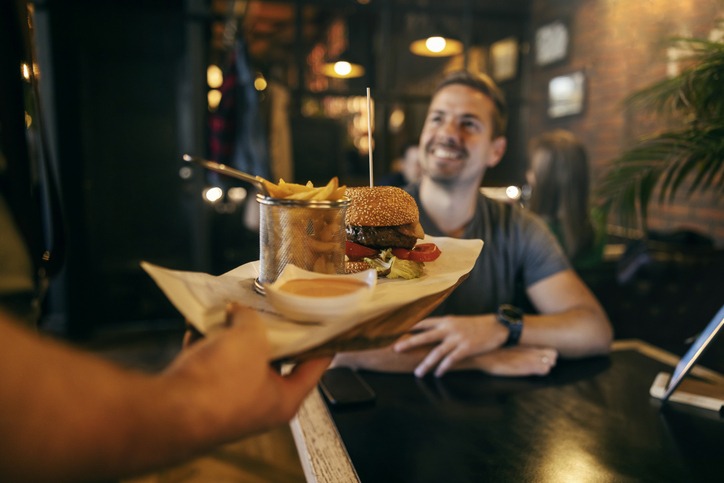
So, what makes a great food and drink runner? It takes more than just physical stamina to run food all day—although that’s definitely part of it. A good runner needs a combination of skills to thrive in a fast-paced restaurant environment.
Communication Skills
First and foremost, communication is key. Runners need to keep the kitchen and the dining room in sync, ensuring that food is delivered at the right time and to the right table. They also need to relay any important information, like special requests or changes to an order.
Attention to Detail
A great runner is also detail-oriented. They need to make sure every dish is correct before it leaves the kitchen, from presentation to temperature to special modifications. A small mistake can snowball into a bigger problem, so being thorough is essential.
Physical Endurance
Let’s not forget the physical demands of the job. Runners are constantly on their feet, moving quickly from the kitchen to the dining room, sometimes carrying heavy trays of food. Stamina and fitness are must-haves for anyone in this role.
Team Player
Last but not least, teamwork is crucial. A runner who can work well with both the front-of-house and the kitchen staff ensures that service runs smoothly. Collaboration and adaptability are the glue that holds everything together.
Training Strategies for Effective Food and Drink Runners
Training is key to turning a good food runner into a great one. Restaurants that invest in comprehensive training programs will see a noticeable improvement in service quality. So, what should that training include?
- Menu Knowledge: Runners should know the menu inside and out. This allows them to answer customer questions, handle special requests, and ensure that dishes are correct before they leave the kitchen.
- Problem-Solving: Runners should be trained to think on their feet. Whether it’s handling an incorrect order or a table request, they need to be able to solve problems quickly and efficiently.
- Communication Skills: Communication is a big part of the job since it acts as the bridge between the kitchen and the dining room. Regular training sessions on communication can help improve workflow and reduce mistakes.
- Teamwork and Flexibility: Cross-training food runners in other roles, such as bussing tables or assisting with kitchen prep, can help them better understand the restaurant as a whole. This flexibility is invaluable during busy shifts when everyone needs to pitch in.
Building Strong Team Dynamics and Fair Compensation
At the end of the day, no food runner can work in isolation. They’re part of a larger team that includes servers, kitchen staff, and management. For a restaurant to run smoothly, all these elements need to work together.
Building a positive team dynamic is essential. Open communication and mutual respect between runners, servers, and kitchen staff create an environment where everyone can thrive. When the team works well together, the overall service improves, and customers feel the difference.
Fair compensation also plays a big role. Many restaurants offer tip-sharing models that include food and drink runners, which helps ensure they’re rewarded for their hard work. When runners feel valued, they’re more motivated to deliver great service, which benefits both the restaurant and the customers.
Conclusion
It’s easy to overlook the importance of food and drink runners, but they are a critical part of the dining experience. From ensuring food arrives on time and at the right temperature to adding small personal touches that make guests feel cared for, food runners play a vital role in every restaurant.
Related posts