The Key Role of Prep Chefs in a Successful Kitchen
People who haven’t worked in a kitchen but have seen shows like Hell’s Kitchen might think it’s all about one person barking orders while everyone else scrambles to obey. There’s some truth to that stereotype, but a commercial kitchen isn’t just a dictatorship—it’s more like an ecosystem. Everyone has a role, and the whole system seamlessly relies on each person playing their part.
While chefs and line cooks often get the glory, there’s another crucial role in the kitchen: the prep chef. This behind-the-scenes worker ensures that when the head chef says, “Let’s go!” the kitchen is ready to roll.
Let’s dive into prep chefs' essential role and why no successful kitchen can function without them.
What Exactly Does a Prep Chef Do?

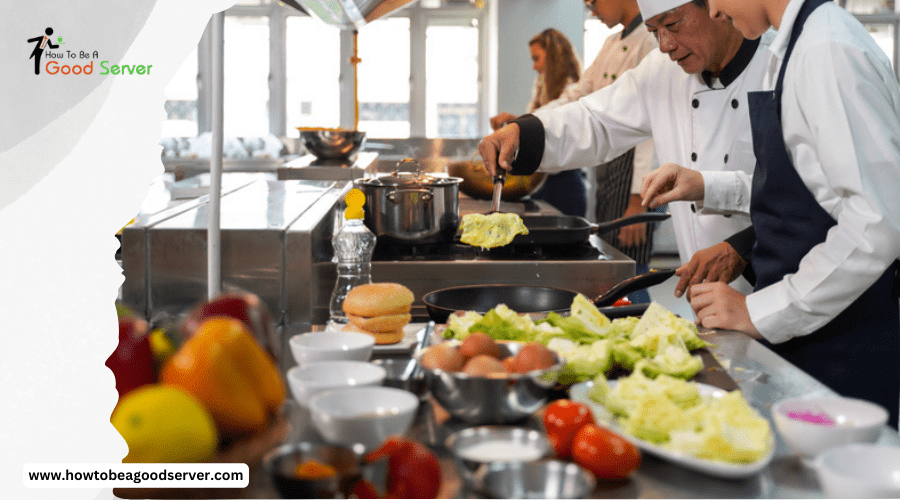
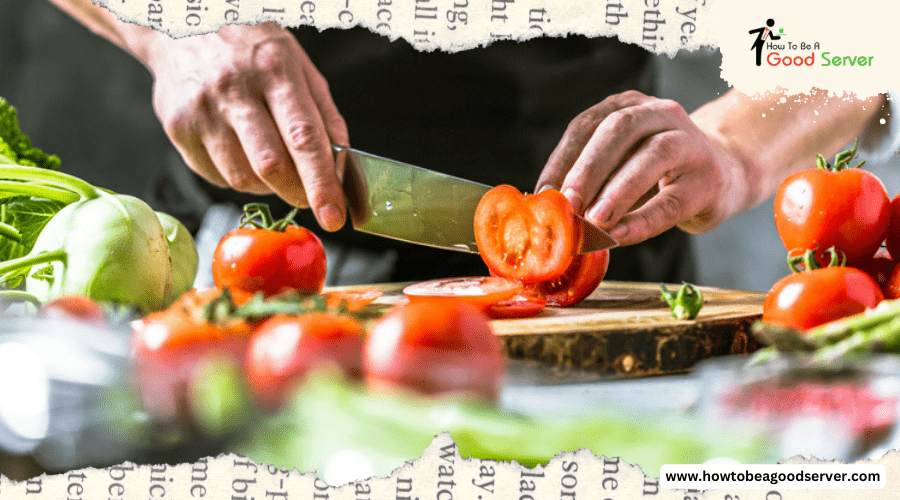
Prep chefs (or prep cooks) usually work behind the scenes, but their contributions are front and center in every dish that goes out. Their primary job? Ensuring that all the ingredients are cleaned, chopped, measured, and ready to go before the cooking even begins. Think of them as the gears in the clock that keep everything moving smoothly.
While their duties can vary depending on the kitchen, they’re in—whether it’s a small local restaurant or a high-end Michelin-starred spot—their goal is always the same: ensure the line cooks and chefs can focus on cooking, not prepping. A prep chef’s work ensures the kitchen can handle the rush, avoid delays, and deliver consistent, top-quality food every time.
Here are some of the key responsibilities a prep chef takes on:
- Measuring ingredients – Exact measurements are crucial for consistency.
- Cutting, chopping, and slicing – Everything from vegetables to proteins must be ready for the line cooks.
- Organizing the kitchen – Keeping stations stocked and organized makes the difference between chaos and smooth service.
- Maintaining kitchen equipment – Ensuring tools like knives and food processors are clean and ready.
- Setting up and cleaning workstations – Clean workstations aren’t just about hygiene; they keep the workflow running smoothly.
- Stocking and labeling food storage – Nothing slows down a kitchen more than running out of key ingredients in the middle of service.
The Skills That Make a Great Prep Chef
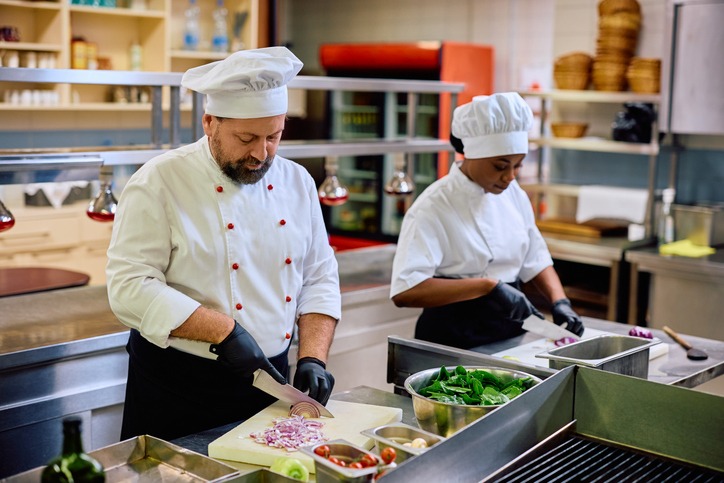
Being a prep chef requires a wide range of skills, many of which are learned on the job. Here are some of the key qualities that make a great prep chef:
- Attention to detail – Prep chefs must be meticulous, whether they’re chopping vegetables into uniform pieces or measuring out ingredients to the gram.
- Knife skills – A prep chef spends a lot of time chopping, slicing, and dicing, so being able to handle a knife with speed and accuracy is crucial.
- Time management – A good prep chef knows how to prioritize tasks and manage their time efficiently to ensure everything is ready when it’s needed.
- Stamina – Kitchens are physically demanding. Prep chefs are on their feet for long hours, often in hot, crowded spaces, and need to stay focused despite the physical challenges.
- Communication—Clear communication with the rest of the kitchen team is vital to keeping things running smoothly.
Time Management: The Secret Weapon of Prep Chefs
One of the most valuable skills a prep chef brings to the table is time management. Think of a Friday night in a busy restaurant. Orders are coming in left and right, and the pressure is on. If the prep work isn’t done efficiently beforehand, line cooks will be scrambling to chop onions or prepare sauces on the fly—and that’s a recipe for disaster.
A good prep chef ensures that every ingredient is prepped and ready so the kitchen can focus on cooking rather than stopping to measure or slice. This “pre-prep” makes everything run like clockwork. No one fumbles around trying to find ingredients or takes time to chop something that should have been prepped hours ago.
The best prep chefs know how to prioritize. They don’t just work fast—they work smart. If there’s a lot on the menu, they know which items need to be prepared first and what can wait. It’s this behind-the-scenes efficiency that keeps a kitchen running smoothly and makes sure diners get their food on time.
The Importance of Food Safety in a Kitchen
A smooth kitchen isn’t just about timing—it’s also about safety, particularly regarding food. Prep chefs are often the gatekeepers of food safety in a restaurant, making sure that every ingredient is handled with care.
This includes following strict hygiene rules, like proper handwashing, sanitizing surfaces, and making sure there’s no cross-contamination, especially when dealing with raw meats or allergens. They also ensure that ingredients are stored at the right temperature, labeled correctly, and used in the proper order (known as the FIFO method—First In, First Out).
This level of diligence is critical, not only because it ensures the health of the diners but also because one slip-up in food safety can tank a restaurant’s reputation. Prep chefs make sure the kitchen is a safe environment for everyone so the food is fresh, properly handled, and, most importantly, safe to serve.
The Prep Chef’s Role in the Kitchen Team
Working in a kitchen is a team sport, and prep chefs are a key part of that team. While they might not be the ones plating the food, their role is just as important as the head chef’s. Without the right ingredients, prepared in the right way, no one else can do their job efficiently.
Prep chefs don’t work in isolation. They communicate constantly with the head chef, sous chefs, and line cooks, making sure they know what needs to be prepped and in what order. Their ability to anticipate the kitchen’s needs is what allows everyone else to perform their tasks without missing a beat.
And it’s not just about communication. Prep chefs also help create a collaborative environment in the kitchen. When the kitchen is organized, well-prepped, and running smoothly, the whole team works better together. Prep chefs ensure that the kitchen is more than just a well-run machine—it’s a supportive, cohesive team.
Their Role in Keeping Quality and Consistency
Consistency is key in any successful kitchen, and prep chefs play a huge part in maintaining it. Every dish that goes out needs to meet the restaurant’s standards, and that begins with how the ingredients are prepped. If one prep chef chops vegetables too large or doesn’t measure ingredients accurately, the whole dish can be thrown off.
Prep chefs are responsible for ensuring that the ingredients are prepared the same way every time. This attention to detail ensures that dishes not only look and taste the same but that they also meet the restaurant’s quality standards.
The Role of Prep Chefs in Sustainability and Reducing Food Waste
Prep chefs are also at the forefront of sustainability efforts in the kitchen. They help reduce food waste by managing portions carefully and storing ingredients properly. A good prep chef knows how to get the most out of every ingredient, whether it’s using vegetable scraps for stock or making sure that food isn’t going to waste due to improper storage.
This attention to detail reduces waste, helps the kitchen run more efficiently, and saves money. In many kitchens, prep chefs are also involved in composting and recycling efforts, helping to minimize the restaurant’s environmental impact.
Career Growth: Prep Chef as a Stepping Stone
For many chefs, the role of a prep chef is just the first step in their culinary career. Most head chefs started their journey in this very position, learning the ins and outs of the kitchen before moving up the ranks.
As a prep chef, you gain valuable skills that serve you well as you advance. Knife skills, time management, and attention to detail are just a few of the essential abilities you’ll master. And as you become more proficient, there’s plenty of room for growth. Many prep chefs move on to become line cooks, sous chefs, and even head chefs or kitchen managers.
What is the key to career advancement in the culinary world? Keep learning. Prep chefs who take the time to improve their skills, seek mentorship, and take on additional responsibilities are the ones who move up the ladder. Networking, picking up extra shifts, and pursuing culinary education can all help you advance in the industry.
Conclusion
Prep chefs are the underrated heroes of every successful kitchen. While they may not be the ones plating dishes or calling out orders, their work is essential to keeping the kitchen running smoothly. From preparing ingredients to ensuring food safety, reducing waste, and supporting the rest of the kitchen team, prep chefs are indispensable to any restaurant’s success.
Without them, the head chef’s vision would never make it to the plate. So, the next time you enjoy a perfectly cooked meal at a restaurant, take a moment to appreciate the prep chef who made it all possible.