The Key Skills Every Sous Chef Needs to Succeed in the Kitchen
Being a sous chef is no easy ride. You’re not just cooking all day—you’re the backbone of the kitchen, juggling leadership and culinary skills to keep things running smoothly. Sure, knowing how to make a perfect béchamel or working a sous-vide machine is important, but the job goes way beyond that. You’ve got to stay organized, communicate clearly, and handle the pressure like a pro.
So, what does it really take to nail this role? Let’s break down the key skills every sous chef needs to thrive in a busy kitchen.
1. Mastery of Culinary Techniques
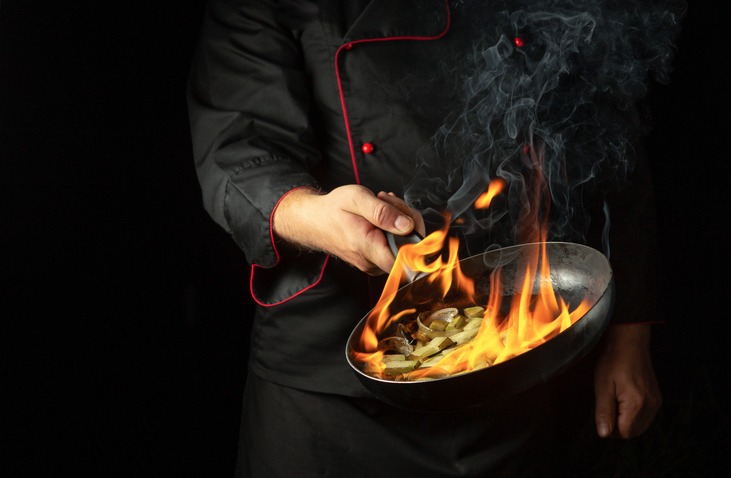
At the heart of every sous chef’s skill set is their culinary expertise. You can’t lead a kitchen if you don’t know your way around one. This means being proficient in a wide variety of cooking techniques—whether it’s sautéing, roasting, or mastering more advanced methods like sous-vide and molecular gastronomy. The ability to switch between these techniques seamlessly is what sets a great sous chef apart.
Beyond knowing how to cook, you’ll also need to understand flavor profiles. It’s not enough to follow a recipe—you need to know how to balance flavors, play with textures, and elevate dishes. This comes with time, practice, and a willingness to experiment in the kitchen.
Another key part of your role is ensuring that the kitchen is a safe place for food preparation. You’re responsible for the taste and presentation of the food as well as for maintaining high health and safety standards. This means knowing how to handle food safely, keeping the workspace clean, and ensuring your staff follows all safety protocols.
On top of that, sous chefs often help with menu development. You’re not just cooking what’s handed to you; you’re likely to have a hand in brainstorming new dishes, coming up with creative takes on classics, and working within the budget to ensure profitability. A sous chef with a flair for creativity will keep the menu fresh and exciting, giving diners a reason to come back.
2. Organizational Skills
While being a culinary master is essential, it’s not enough on its own. A disorganized kitchen, no matter how talented the team, will always lead to chaos. That’s why organizational skills are a must for any sous chef.
You’ll be responsible for ensuring everything is in its place, whether it’s the mise en place (having all your ingredients prepped and ready before service) or the flow of the kitchen during a busy shift. This involves not just organizing ingredients but also setting up workstations, arranging tools, and ensuring the team is working efficiently.
Being organized also extends to inventory management. A good sous chef knows what’s in the pantry and what’s about to expire. Keeping track of supplies ensures that the kitchen doesn’t run out of key ingredients during service, and it also helps reduce waste. Proper inventory control saves money and keeps the kitchen running smoothly.
An organized kitchen is also a safe kitchen. When things are where they should be, and everyone knows their role, you reduce the chances of accidents and ensure that health regulations are followed. A well-organized kitchen doesn’t just run more efficiently—it’s also a happier place to work.
3. Leadership and Team Management
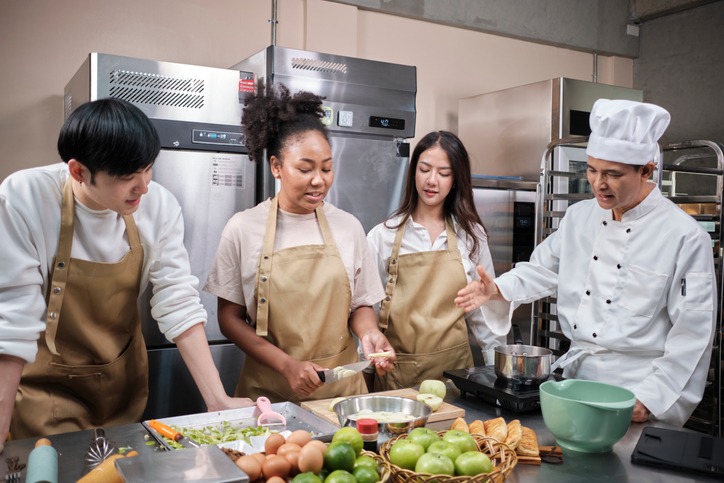
As the second-in-command, you’re often the go-to person for the rest of the kitchen staff, which means leadership is one of the most crucial skills a sous chef can have. You’ll need to manage your team, delegate tasks, and make sure everyone is pulling their weight during service.
Delegation is key here. You can’t do everything yourself, so knowing when and how to delegate tasks is essential for keeping the kitchen running smoothly. Whether it’s assigning a junior chef to prep vegetables or having the line cook handle the sauces, delegating effectively frees you up to oversee the bigger picture.
Good leadership also means communication. You need to be clear with your team about what you expect from them and provide feedback that helps them improve. During busy shifts, clear communication can make the difference between a smooth service and a disaster. This also includes communicating with the front-of-house team to ensure that service is seamless from the kitchen to the dining room.
And let’s not forget about motivation. A great sous chef knows how to inspire their team to work hard, even during tough shifts. By fostering a positive, collaborative environment, you can improve morale and keep everyone working efficiently.
4. Handling Pressure and Stress Management
Kitchens are fast-paced environments, and sous chefs need to be able to handle the heat—both literally and figuratively. The ability to stay calm under pressure is critical to success.
When things go wrong—and they will—problem-solving skills are your best friend. Maybe an order gets messed up, or you run out of a key ingredient halfway through service. Whatever the issue, you’ll need to think on your feet and come up with a solution fast.
Another important skill is the ability to prioritize tasks in the middle of a busy service. You’ll need to know what to focus on when the pressure’s on and make decisions quickly without sacrificing quality. This is where your organizational skills come into play again, helping you stay calm and collected even when the kitchen is in overdrive.
Finally, it’s essential to practice stress management. If you let the pressure get to you, things can spiral out of control. Taking a moment to breathe, organizing your thoughts, and keeping a level head will help you manage the kitchen during even the busiest shifts.
5. Creativity and Innovation
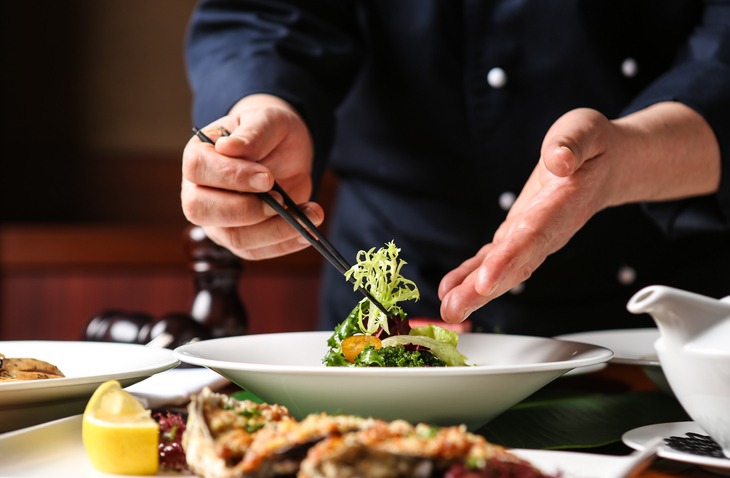
Being a sous chef isn’t just about executing someone else’s vision; it’s also about bringing your own creativity to the table. While you’ll be following the head chef’s lead, there’s always room to innovate and put your own spin on things.
Whether you’re experimenting with new flavor combinations or reimagining classic dishes, creativity is key to keeping the menu fresh and exciting. You’ll also need to collaborate with the head chef on menu development, suggesting seasonal ingredients, creating specials, and ensuring the menu stays up to date with food trends.
Innovation doesn’t just apply to the dishes themselves—it’s also about exploring new techniques and experimenting with different cooking methods. Maybe it’s incorporating a new piece of equipment, trying a different cooking style, or finding a more efficient way to prepare a dish.
6. Attention to Detail
In the kitchen, attention to detail is everything. As a sous chef, it’s your job to ensure that every dish meets the restaurant’s high standards, both in terms of flavor and presentation. Consistency is key, and even the smallest mistakes can have a big impact on the quality of the food.
This also applies to food safety and sanitation. You’ll need to make sure that ingredients are fresh, properly stored, and prepared in a clean environment. Overlooking these details can lead to serious problems, including foodborne illnesses.
Beyond that, attention to detail also plays a role in inventory management. Keeping a close eye on what’s in stock and what’s about to expire helps reduce waste and keeps the kitchen running smoothly.
7. Adaptability and Versatility
In today’s culinary world, a sous chef needs to be more than just a good cook—they need to be adaptable. Whether it’s jumping into a different station on the line or adjusting to a last-minute change in the menu, being able to go with the flow is essential.
You also need to be versatile when it comes to cooking for dietary restrictions. With more diners requesting gluten-free, vegan, or allergen-free options, a sous chef must be able to adapt recipes and cooking techniques to meet these needs without sacrificing quality.
Adapting to different kitchen environments is another part of the job. Whether you’re working in a small, intimate kitchen or a large-scale restaurant, being able to adjust to the space, the team, and the pace is key to your success.
8. Continuous Learning and Improvement
Finally, great sous chefs are always looking for ways to improve. The culinary world is constantly evolving, with new techniques, trends, and ingredients emerging constantly. To stay on top of your game, you need to embrace continuous learning.
Whether it’s attending workshops, taking online courses, or learning from more experienced chefs, staying curious and constantly seeking to improve your skills will help you grow as a sous chef. This also means staying on top of food trends and understanding what diners are looking for in a constantly changing industry.
Conclusion
Being a sous chef is no easy gig, but it’s definitely rewarding. It’s not just about cooking—it’s about leading a team, staying organized, being creative, and keeping your cool when things get hectic. If you can master all these skills, you’re not only keeping the kitchen running smoothly, but you’re also setting yourself up for success in the culinary world.
Whether you’re just starting out or ready to level up in your career, remember that being a great sous chef means finding the right balance between skill and flexibility, creativity and consistency, leadership and teamwork. Keep working on these, and you’ll be on your way to thriving in any kitchen!