Top Considerations When Moving a Restaurant: What You Need to Know
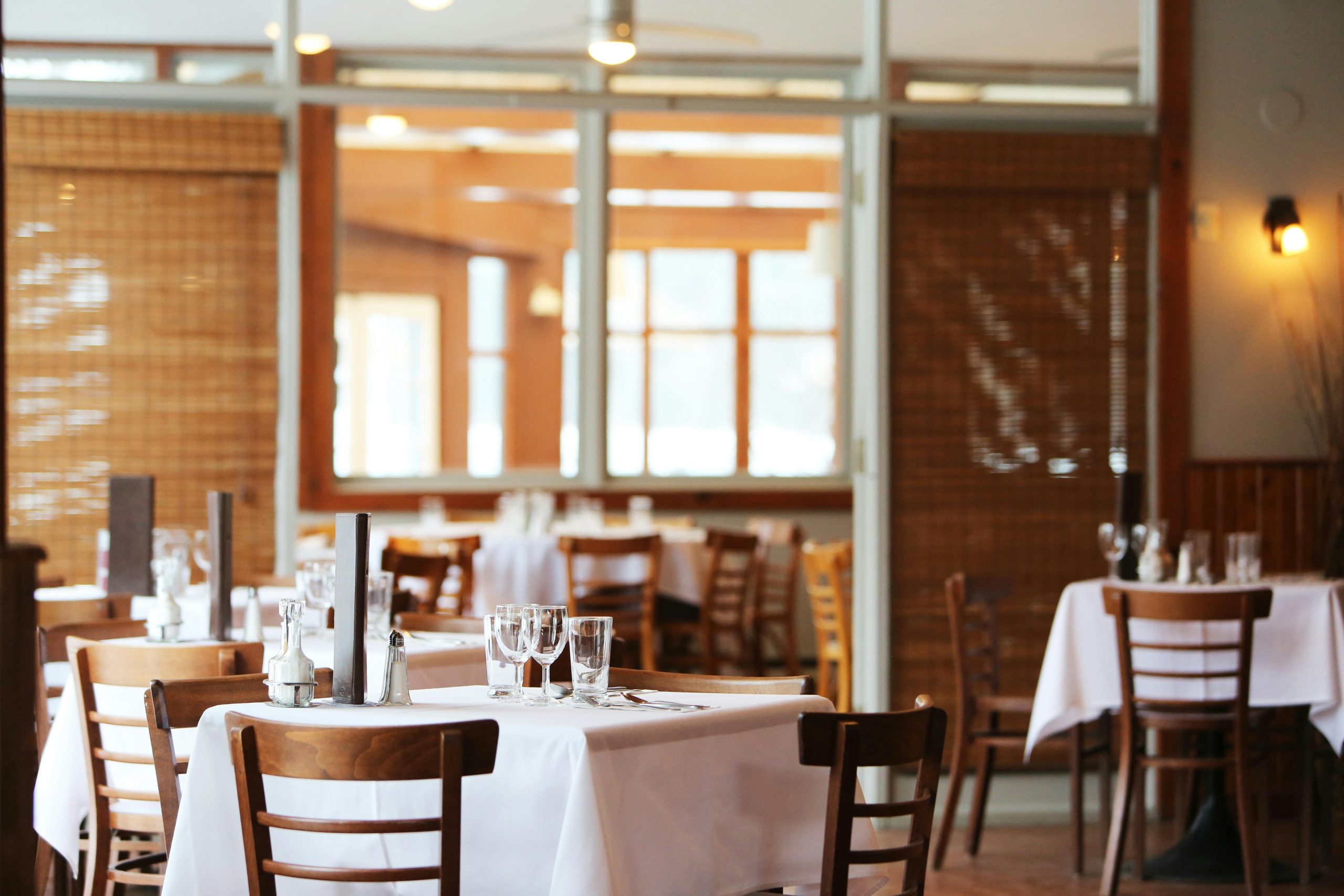
Moving a restaurant is a huge decision that involves many moving parts. Whether you're relocating across town or to a new city, careful planning is crucial to minimize downtime and ensure the best bartenders stay with you. Today, we'll cover the top considerations when moving a restaurant so you can make the transition as smooth as possible.
Transferring Equipment and Supplies
Moving heavy kitchen equipment can be one of the biggest challenges. Ovens, refrigerators, and other appliances are not only large but also expensive. Hiring commercial movers you can rely on is a smart choice to protect your investment and ensure everything arrives intact. That’s why partnering with trusted movers ensures a seamless and secure relocation process, no matter the size or complexity of your restaurant’s setup. With expertise in handling delicate and bulky equipment, they provide the reliability and care that your investment deserves.
Make a list of all the equipment and supplies you’ll be taking with you. Some items might be too old or inefficient to bring along. In these cases, selling or upgrading can be a more cost-effective solution.
Finally, ensure your movers are experienced in handling restaurant equipment. The last thing you want is for your valuable kitchen gear to be damaged during the move.
Choosing the Right New Location
Selecting the right location is key to a successful move. You’ll want a space that ensures high visibility and foot traffic. Moreover, check if the area suits your restaurant’s target market and if local competitors are nearby.
Next, consider the building itself. Is the layout suitable for both kitchen and dining operations? Make sure there is enough space to maintain efficient workflows for your staff and comfort for your customers.
Finally, review the cost of leasing or buying the new property. Factor in both the upfront costs and the ongoing expenses like utilities and rent. Keeping these top considerations when moving a restaurant in mind will help you avoid unpleasant surprises.
Complying with Zoning and Health Regulations
Before signing a lease or purchasing a new space, it's essential to understand the zoning laws. Every city has regulations about where food establishments can operate. Make sure your new location complies with local zoning laws to avoid potential issues.
Additionally, you’ll need to check health and safety regulations in the new area. Requirements may vary from place to place, so ensure your kitchen and dining areas meet updated health codes. Securing the proper permits and licenses, like those for food handling and alcohol sales, is also critical.
Failing to meet these regulations could delay your opening or result in fines. Therefore, handling these compliance issues early is one of the most important steps when moving a restaurant.
Notifying Customers and Maintaining Loyalty
Moving to a new location can confuse your regular customers. Therefore, it’s important to communicate clearly about the change. Send out notifications through email, social media, and your website to inform them about your new address.
Offering special promotions or a grand reopening event with famous local food bloggers can generate excitement and retain customer interest. Moreover, you can offer discounts or loyalty rewards to make sure your regulars follow you to the new spot.
Consistent communication and marketing will help keep your loyal customers engaged, ensuring your move doesn't result in a loss of business.
Updating Digital Presence and Marketing
In today’s digital age, updating your online presence is just as crucial as the physical move. Start by updating your restaurant’s address and hours on Google My Business, Yelp, and other online platforms. You don’t want customers showing up at your old location by mistake.
Next, run a digital marketing campaign to build anticipation for your reopening. Use social media, email newsletters, and even local influencers to spread the word. Your website should also reflect the new location, and if you take online reservations, make sure that the system is updated too.
Being proactive with your digital presence is one of the top considerations when moving a restaurant. It ensures your customers know where to find you, both online and offline.
Employee Retention and Satisfaction
Another important factor to consider is your staff. Moving to a new location can sometimes lead to losing employees, especially if the new spot is far from their current commute. To prevent this, involve your team in the moving process and communicate openly about the changes.
Consider offering retention bonuses to key staff members who choose to stay on. This will help you keep your top talent during the transition. Additionally, make sure the new location is accessible and comfortable for them.
By keeping employees engaged and satisfied, you’ll have a stronger team when it’s time to reopen.
Managing Financial Costs
Moving a restaurant can be expensive. From securing new permits to hiring movers, the costs can add up quickly. Therefore, it’s important to create a detailed budget that covers all aspects of the move.
Factor in moving expenses, potential renovations, and the cost of new equipment if necessary. Also, consider the financial impact of being closed for a few days during the move. The more precise your budget is, the fewer surprises you’ll encounter.
Exploring financing options, such as business loans, may also be worth considering if the move requires significant investment.
Preparing for a Smooth Reopening
Now that the logistics are handled, it’s time to plan your reopening. A soft opening allows you to work out any operational kinks before you fully open to the public. This gives your staff time to get comfortable with the new space and allows you to fix any small issues.
Additionally, partnering with local media outlets or influencers can help spread the word about your reopening. Hosting a grand reopening event with special promotions is another great way to attract customers.
Preparing for New Challenges
Every new location comes with its own set of challenges. You may need to adjust your menu to suit the tastes of your new customer base. Additionally, consider the operational flow of your new kitchen and dining area. What worked in the previous space might not work here.
Take time to familiarize yourself with the local community. Building relationships with nearby businesses and potential customers can ease your transition. Being adaptable and proactive in addressing new challenges will help you settle in smoothly and thrive in your new restaurant location.
Conclusion
Moving a restaurant is no easy feat. There are many top considerations when moving a restaurant, from choosing the right location to managing financial costs. By staying organized, communicating with your team and customers, and focusing on compliance and marketing, you’ll ensure a smooth transition and set your business up for success in its new home.