Top Qualities That Make a Successful Bartender in a Busy Restaurant
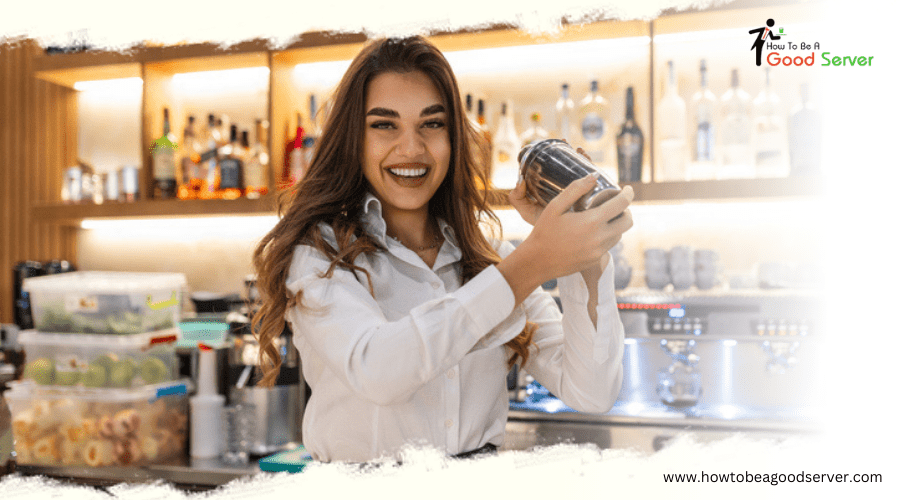
When you walk into a busy restaurant, the bartender plays a significant role in your overall experience. The job is more than just pouring drinks—it's about creating memorable interactions and keeping things running smoothly, even when the bar is packed. So, what makes a bartender truly successful in this environment? Let’s dive into the qualities that set top bartenders apart from the rest.
1. Strong Knowledge of Drinks and Ingredients
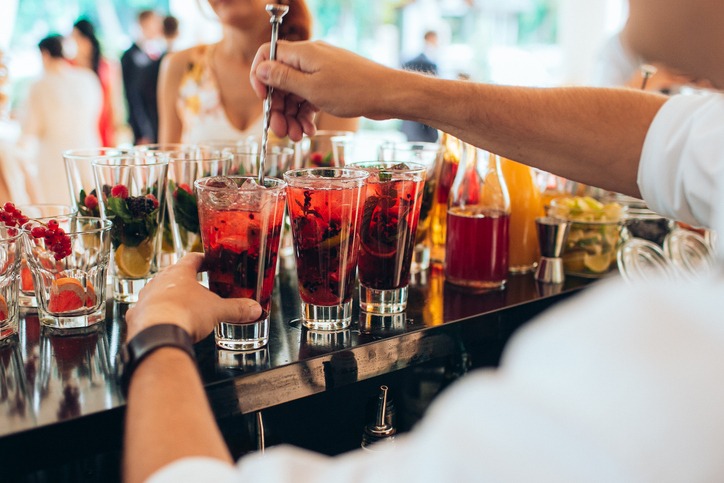
A Successful bartender knows their drinks inside and out. This means understanding not only how to make classic cocktails but also how to tailor drink recommendations to individual customer preferences. You should know the flavor profiles of different spirits, beers, and wines and how they complement one another in mixed drinks.
Being familiar with trending cocktails is another way bartenders can impress customers. Craft cocktail culture is growing; customers appreciate bartenders who can create something unique or recommend a seasonal twist. The goal is not just to make drinks but to make memorable drinks that keep customers coming back.
2. Speed and Efficiency Without Sacrificing Quality
Speed is essential when the bar gets busy, but being fast doesn’t mean cutting corners. Great bartenders can balance speed with quality by multitasking effectively. This might mean preparing one drink while garnishing another and chatting with a customer at the same time.
One trick successful bartenders use is to organize their workstations well. A clean and well-stocked bar helps maintain speed and efficiency, especially when dealing with multiple orders at once. Knowing where everything is and keeping it within reach allows bartenders to serve customers quickly without compromising the quality of the drinks.
3. Exceptional Customer Service and Engagement
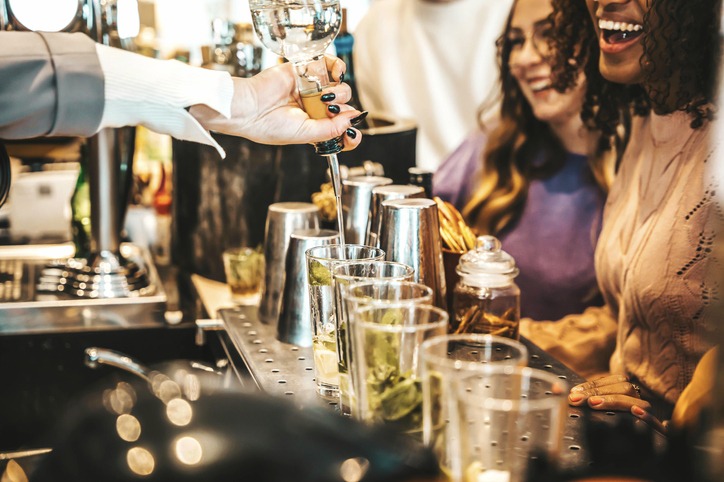
Customer service is at the heart of bartending. A successful bartender knows that it's not just about making drinks—it's about creating an experience. Engaging with customers and making them feel welcome can turn first-time guests into regulars. Something as simple as remembering a customer's favorite drink or offering a friendly smile can go a long way.
But great customer service also means knowing how to read a room. Some customers want to chat, while others prefer a quiet drink. A skilled bartender knows when to engage and when to give someone space. And of course, being polite and professional, even with difficult customers, is key.
4. Strong Memory and Attention to Detail
Bartending requires excellent memory and attention to detail. Successful bartenders remember regular customers' drink orders, preferences, and even names. This personal touch helps build a connection with patrons, fostering loyalty and trust.
Attention to detail is also critical when making drinks. Consistency is essential—customers expect their favorite drink to taste the same every time. Paying attention to the measurements, garnishes, and presentation ensures that each drink meets high standards.
5. Physical Stamina and Endurance
Bartending in a busy restaurant is physically demanding. You’re on your feet for long hours, often during late shifts, while constantly moving, lifting heavy items, and dealing with crowds. Stamina is crucial for staying energized and focused throughout the shift, especially when the bar is packed and customers are ordering non-stop.
Successful bartenders know how to pace themselves and stay hydrated. It’s about maintaining energy while keeping the bar running smoothly and efficiently during those busy hours.
6. Ability to Handle Pressure and Stay Calm
One of the most critical qualities of a successful bartender is the ability to stay calm under pressure. A busy restaurant can be chaotic, especially during peak hours, with orders coming in from all sides. A skilled bartender can prioritize tasks, focus on one thing at a time, and avoid getting overwhelmed.
Staying calm also means maintaining a positive attitude, even when things don’t go as planned. Whether it's a customer complaint or a technical issue, bartenders who can handle pressure gracefully maintain the high-quality service that customers expect.
7. Teamwork and Communication Skills
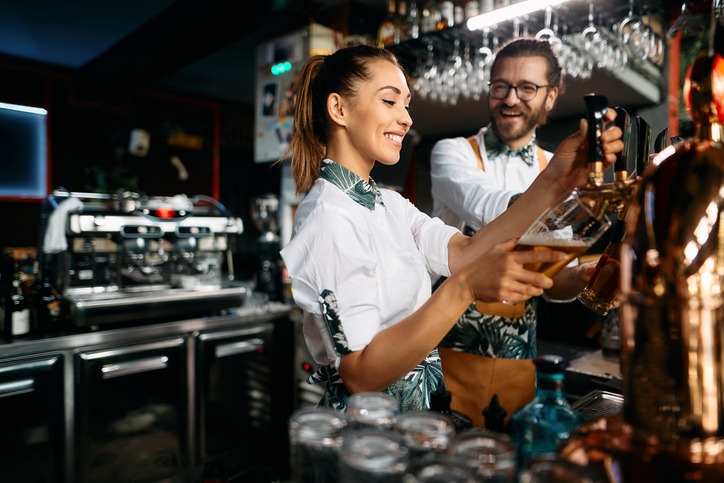
A bustling restaurant bar is not a solo operation. Successful bartenders work closely with servers, kitchen staff, and other bartenders to ensure smooth service. Clear communication is vital—whether it’s coordinating drink orders with waitstaff or alerting team members when supplies are running low.
Bartenders who work well in a team also support one another. During busy shifts, this might mean stepping in to help a fellow bartender or communicating with the kitchen to ensure orders go out quickly. A strong sense of teamwork helps maintain a positive work environment, which ultimately leads to better service for customers.
8. Cleanliness and Organization
Maintaining a clean and organized bar is essential for efficiency and hygiene. A cluttered or messy bar not only slows down service but also gives customers a bad impression. Successful bartenders keep their workspace neat, ensuring that tools, ingredients, and glassware are in their proper places.
Beyond just the work area, cleanliness extends to personal hygiene and bar presentation. Customers appreciate a bartender who takes pride in their appearance and keeps the bar looking tidy. Regularly cleaning surfaces and equipment and restocking supplies ensures that the bar runs smoothly, even during the busiest shifts.
9. Strong Math Skills
While it may not seem obvious, math skills are an important part of bartending. Whether it’s making changes, calculating a tab, or measuring ingredients for a cocktail, bartenders need to be comfortable with numbers. Successful bartenders can quickly and accurately handle multiple transactions, especially in a fast-paced environment.
Math skills are also essential in drink-making. Ensuring that each drink is measured correctly helps maintain consistency and avoid waste.
10. Team Collaboration
Team collaboration is what keeps a busy bar running like a well-oiled machine. Bartenders don’t just interact with customers—they also work closely with other staff members to create a seamless experience. Open communication between the bartenders, servers, and kitchen staff is essential for keeping things moving smoothly.
Bartenders who are team players step in when needed, offering to help with tasks outside their regular duties. This willingness to collaborate builds a positive work environment, reduces stress, and keeps service efficient even during the busiest shifts.
Conclusion
Being a successful bartender in a busy restaurant requires a combination of technical skills, strong communication, and the ability to handle stress. It’s not just about making drinks—it’s about creating a memorable experience for every customer who walks through the door. From multitasking efficiently to providing exceptional customer service, bartenders who embody these qualities are the ones who thrive in fast-paced environments and keep customers coming back for more.