Top Skills Restaurant Supervisors Need to Manage Teams Effectively
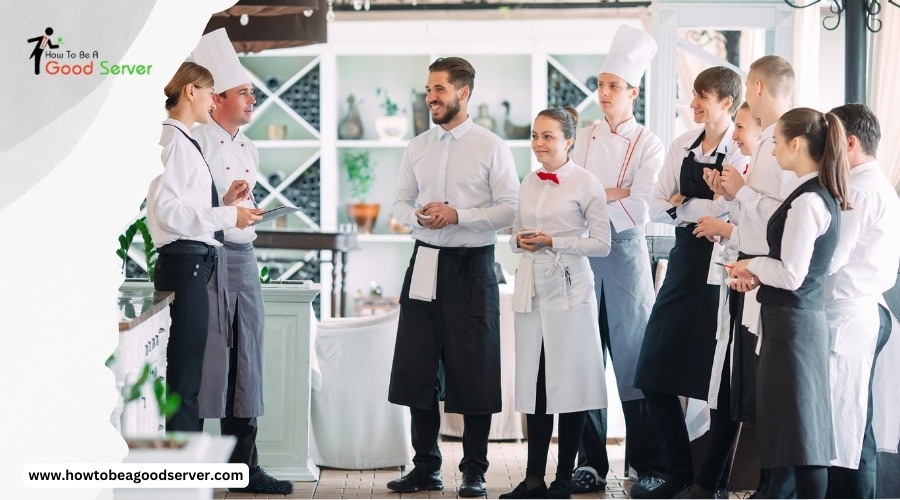
Being a restaurant supervisor isn't just about making sure orders are right or that the kitchen is clean—it's about managing a team of people who are the heartbeat of your restaurant. Supervising a restaurant team comes with its fair share of challenges, from dealing with customers to ensuring that operations run smoothly even when you're short-staffed. But with the right skills, you can tackle these challenges head-on and lead your team to success.
Let's walk through the top skills every restaurant supervisor needs to manage their team effectively.
1. Communication Is Key

One of the most essential skills for a restaurant supervisor is communication. It might sound simple, but in a fast-paced environment like a restaurant, clear and effective communication can make all the difference. Whether it's giving instructions to the kitchen staff, helping the waiters handle customer requests, or addressing a guest's concern, how well you communicate determines how smoothly things go.
Great communication also helps avoid unnecessary confusion. Have you ever been in a situation where an order was misunderstood, leading to a series of problems? Exactly. It's your job to make sure everyone is on the same page. It's about being clear, concise, and approachable so that your team feels comfortable coming to you with questions or concerns.
And don't forget communication is a two-way street. Listening to your team is just as important as giving instructions. Make sure your staff feels heard because when they do, they're more likely to stay motivated and engaged.
2. Leadership That Inspires
A restaurant supervisor is a leader, and your team looks to you for guidance. Leadership isn't about barking orders but inspiring and motivating your team to perform at their best. Effective leadership means setting a good example. If you want your team to be punctual, efficient, and customer-focused, you need to show them how it's done.
Leadership also comes into play during stressful situations. The dinner rush is overwhelming; tables are piling up, and everyone's scrambling to keep up. Your team is looking to you to keep things under control. This is where calm, collected decision-making is key. When you remain calm under pressure, your team will follow suit, and that makes a huge difference in how efficiently everything runs.
Being a good leader means being proactive, too. Anticipate problems before they escalate. If you notice a team member struggling, step in early and offer support before things go off the rails.
3. A Positive Attitude Goes a Long Way
The restaurant business can be tough, but one thing that always helps is keeping a positive attitude. You'd be surprised how much your energy affects the entire team. If you're stressed or upset, it'll trickle down to everyone else, and that can kill morale in an instant. On the flip side, when you stay positive, even when things are chaotic, it helps keep everyone calm and focused.
A positive attitude also plays a big role in team morale. When your team feels good about their work, they're more likely to stay motivated and deliver great service. So, how can you keep things upbeat? Start by acknowledging your staff's hard work. A simple "thank you" or recognizing a job well done can make all the difference. It doesn't take much, but it shows your team that you appreciate them, and that boosts morale.
4. Organizational Skills for Smooth Operations
Organizing a team in a restaurant is like running a well-oiled machine—if one cog is out of place, the whole thing can fall apart. That's why organizational skills are essential for any restaurant supervisor. Whether you're managing the schedule, keeping an eye on inventory, or ensuring tasks are delegated properly, you must stay on top of things.
Let's talk about scheduling. You need to balance staff availability with the restaurant's needs, especially during busy periods. It's tricky but critical to ensure that you have enough hands on deck without overstaffing, which can hurt the restaurant's budget. Using scheduling tools can help simplify this process, ensuring that your shifts are well-staffed without burning people out.
And don't forget about delegating tasks. You can't do everything yourself, nor should you. Knowing how to delegate tasks based on each team member's strengths ensures that everything gets done efficiently, and it allows your staff to grow by taking on new responsibilities.
5. Conflict Resolution for a Harmonious Team

Conflicts are bound to happen in any workplace. Whether it's a misunderstanding between the front of the house and the kitchen or two staff members not getting along, conflicts can disrupt the flow of operations and affect team morale. As a supervisor, it's your job to step in and resolve issues before they become bigger problems.
Effective conflict resolution starts with listening. Hear both sides of the story before jumping to conclusions. Sometimes, a simple conversation can resolve a big problem. Other times, you may need to mediate and help both parties find a solution that works for everyone.
Addressing conflicts promptly helps maintain a positive work environment. When your team sees that you're fair and approachable, they'll feel more comfortable coming to you with their concerns rather than letting things fester.
6. Customer Focus Is a Must
At the end of the day, a restaurant's success depends on its customers. As a supervisor, you play a huge role in ensuring that your team is providing excellent customer service. It's not just about making sure that orders are right or that the food comes out on time—it's about creating a positive dining experience for every guest.
Customer service starts with training your team. Make sure everyone knows how to handle customer interactions, from taking orders to dealing with complaints. Lead by example—if you see a customer who's unhappy, step in and do what you can to fix the situation. Sometimes, a small gesture like comping a dessert or offering a sincere apology can turn things around.
Encourage your team to be proactive. Ask customers how their meal is going before they have a chance to complain. This shows that you care about their experience and gives you the opportunity to address any issues before they escalate.
7. Financial Management to Keep Things Profitable

While customer satisfaction is important, so is keeping the restaurant financially healthy. As a supervisor, you're not just managing people—you're also managing costs. This means keeping an eye on things like labor expenses, inventory, and overall profitability.
One key area where financial management comes into play is labor costs. You need to make sure you're not overspending by overstaffing during slow periods or understaffing during busy times. This balance is tricky but essential for maximizing profits.
Inventory management is another critical part of financial management. Make sure you're keeping track of stock levels so that you don't run out of essential ingredients or over-order items that might go to waste. Wasted inventory is wasted money.
By regularly reviewing financial reports, you can identify areas where the restaurant can save money or improve efficiency. Whether it's adjusting staffing levels or finding ways to reduce waste, small changes can have a big impact on the restaurant's bottom line.
8. Motivating and Engaging Your Team
Keeping your team motivated is key to maintaining high service standards. When your staff feels engaged and valued, they're more likely to go above and beyond. But how do you keep your team motivated, especially during tough shifts or slow periods?
Start by giving regular feedback. Let your team know when they're doing a good job, and offer constructive criticism when needed. It's also important to provide opportunities for growth. Whether it's cross-training in different roles or offering leadership opportunities, helping your staff develop their skills keeps them engaged and invested in their work.
Recognition also plays a huge role in motivation. A simple acknowledgment of hard work can make all the difference. Whether it's a shout-out during a pre-shift meeting or a small reward for a job well done, recognizing your team's efforts helps boost morale and keeps them motivated.
9. Continuous Training and Development
The restaurant industry is always evolving, and so should your team. As a supervisor, it's your job to ensure that your staff is continuously learning and improving. Whether it's new menu items, updated safety protocols, or customer service techniques, regular training helps keep your team sharp and ready for anything.
Training doesn't have to be formal or time-consuming. Sometimes, quick refreshers before a shift can be just as effective. Pairing new staff with experienced team members for mentorship is another great way to ensure that everyone is learning and improving.
By investing in your team's development, you're not only improving service quality, but you're also building a team that's capable of taking on more responsibility.
10. Flexibility and Adaptability in a Fast-Paced Environment
In a restaurant, things can change in the blink of an eye. Whether it's a rush of unexpected customers, a staff member calling in sick, or a sudden equipment failure, you need to be ready to adapt on the fly. Flexibility is key to managing these unpredictable situations without missing a beat.
As a supervisor, you'll often be the one making quick decisions to keep things running smoothly. Maybe you need to shift staff around to cover for someone who's late or jump in yourself to help clear tables during a rush. The more adaptable you are, the better you'll handle these challenges.
Being flexible also means being open to feedback and willing to change your approach when needed. If something's not working, don't be afraid to adjust. The restaurant industry is all about being able to pivot and make changes when necessary.
11. Delegation and Trust
Lastly, a good supervisor knows that they can't do everything themselves. Delegating tasks to your team not only lightens your load but also empowers your staff to take ownership of their work. It shows them that you trust them to get the job done and that trust helps build a stronger, more cohesive team.
When you delegate, make sure you're assigning tasks based on your team's strengths. If someone's great at handling customer complaints, let them take the lead in that area. If another team member is detail-oriented, give them responsibility for inventory management.
Delegation isn't about handing off tasks—it's about giving your team opportunities to grow and excel. When your staff feels trusted, they're more likely to step up and take initiative.
Conclusion
Managing a restaurant team effectively requires a combination of communication, leadership, organizational skills, and more. But when you've mastered these skills, you'll create a positive, productive work environment where your team can thrive. Remember, a great restaurant supervisor isn't just focused on the day-to-day tasks—they're also building a team that's motivated, engaged, and ready to deliver excellent service every single shift.