Types of Services in the Food and Beverage Industry
Food and beverage services are the heart of any restaurant experience. They influence how diners enjoy their meal and play a massive role in shaping the overall success of restaurants. When we sit down to enjoy a meal at a restaurant, many different service styles are at play, each creating its own kind of experience. Whether it's an elegant, upscale dining affair or a quick grab-and-go meal, these services set the tone for how we feel about our dining experience.
In this article, we'll explore the various types of food and beverage services you'll encounter in the restaurant industry. From high-end, luxurious experiences to customer-driven dining where you take the lead, we'll dive into how each service works and what makes them unique.
1. Elegant Restaurant Experiences
Let's start by looking at the more refined end of the spectrum—upscale restaurants that focus on creating a sophisticated dining experience.
Upscale Eateries
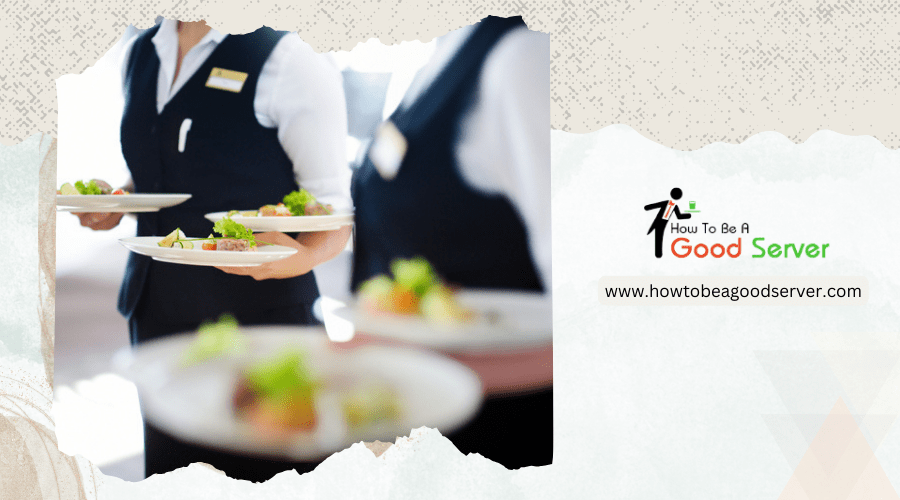
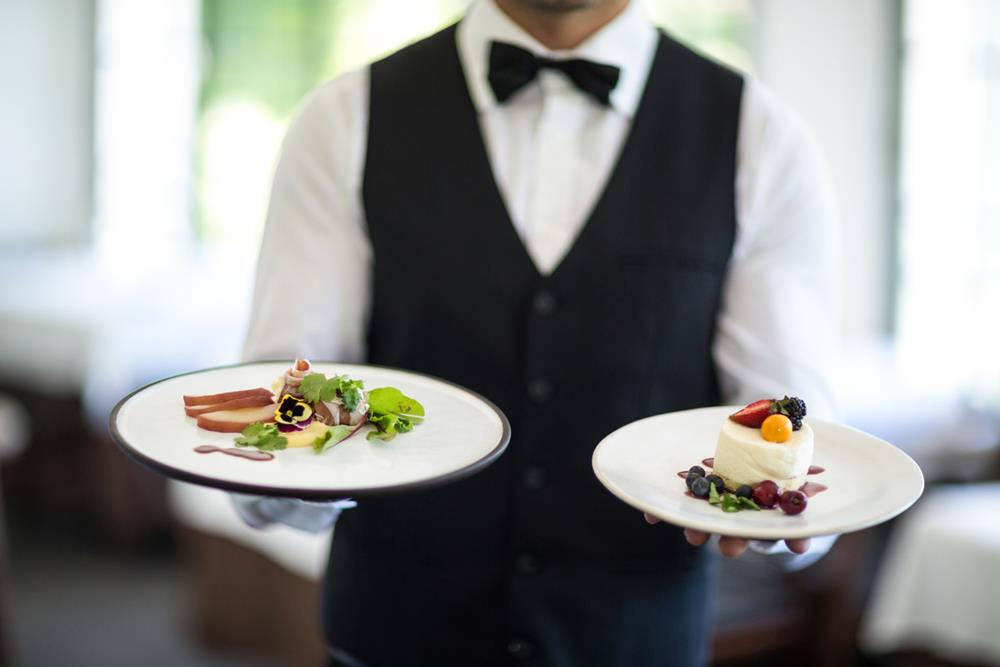
Upscale eateries are all about refinement and elegance. These restaurants offer a high-class atmosphere with every detail thought through—from the décor to the menu selection. You'll often see:
- Well-dressed staff in formal attire
- Beautifully set tables with fine linens, glassware, and silverware
- Menus that showcase carefully crafted dishes, often made with gourmet ingredients
These restaurants are ideal for special occasions like anniversaries, business meetings, or celebratory dinners. What sets upscale eateries apart is the attention to detail. The goal is to make the diner feel pampered. From the moment you sit down until the last dish is cleared, every part of the meal is carefully orchestrated to create an unforgettable experience.
Tableside Assistance
One of the hallmarks of upscale dining is the high level of tableside assistance. Staff are trained to serve and anticipate the diners' needs. Tableside assistance includes:
- Taking detailed orders and answering questions about the menu
- Delivering food and drinks promptly
- Refilling water glasses and beverages without being asked
- Clearing plates seamlessly between courses
This service ensures diners don't have to lift a finger. The goal is to create a relaxed, enjoyable experience where diners can focus on enjoying their meal. Good tableside assistance can turn a good meal into a memorable one.
2. Tableside Dining Services
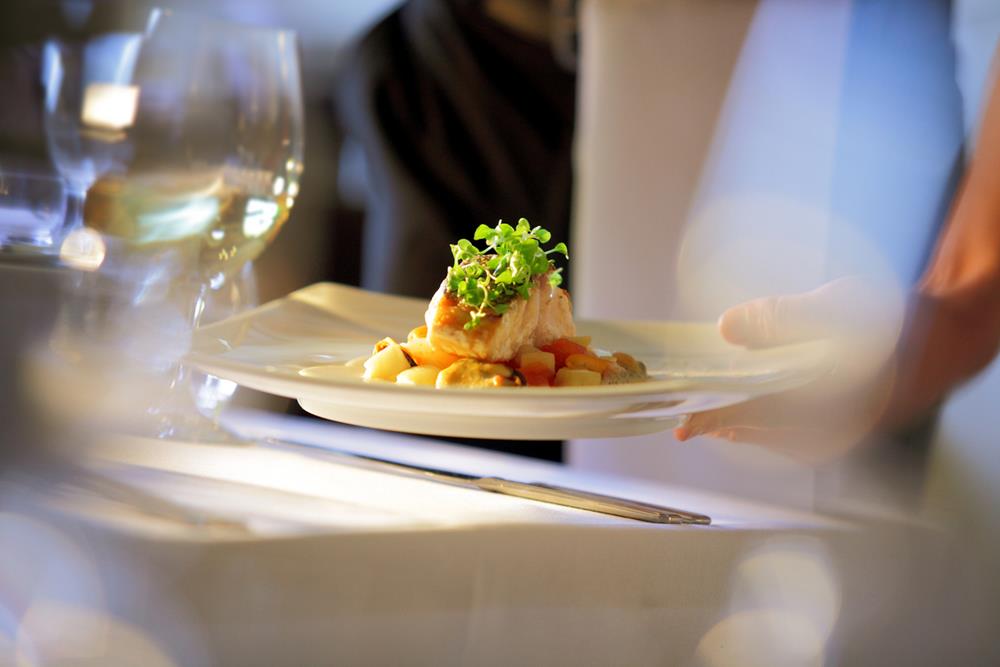
Tableside dining services are where the interaction between staff and diners really shines. There are several styles within this category, each offering a different level of formality and interaction.
Silver Service
Silver Service is one of the most formal dining styles. In this method, servers present each course individually from the left and clear plates from the right. It's a classic service that requires precision and finesse. You'll often see Silver Service at high-end restaurants or during special events like banquets or weddings. The interaction between servers and diners is key here, focusing on providing impeccable service with every dish.
Plate Service
Plate Service strikes a balance between formal and casual. In this style, the kitchen prepares and plates the meals, and servers deliver them to diners. While not as formal as Silver Service, Plate Service still allows for a personal touch, as the server presents the meal and may offer recommendations or explain the dish. It's common in mid-range to upscale restaurants and works well for both formal and relaxed occasions.
Communal Dining Service
If you've ever dined in a family-style restaurant, you've likely experienced Communal Dining Service. In this style, servers bring large dishes to the table, and diners serve themselves. While it's less formal than Silver or Plate Service, Communal Dining can still be elegant, mainly when servers assist with final touches like adding garnishes or sauces. It's a great option for people who enjoy sharing food with friends or family but still want a bit of help from the staff.
Uniform Plating Service
Uniform Plating Service is all about consistency and presentation. In this style, the kitchen prepares and plates identical dishes for each diner. This method ensures that everyone at the table gets the same beautifully presented meal, down to the smallest detail. It's commonly used in high-end restaurants, where visual appeal is just as important as taste.
Trolley Service
Trolley Service adds an element of entertainment to dining. Servers use a trolley to bring food to the table, where they might carve meat, toss a salad, or flambé a dessert right in front of the guests. This interactive style turns dining into a show, making it a hit at upscale restaurants. Watching your meal being prepared or finished tableside adds a fun, theatrical element to the experience.
3. Guest-Involved Dining
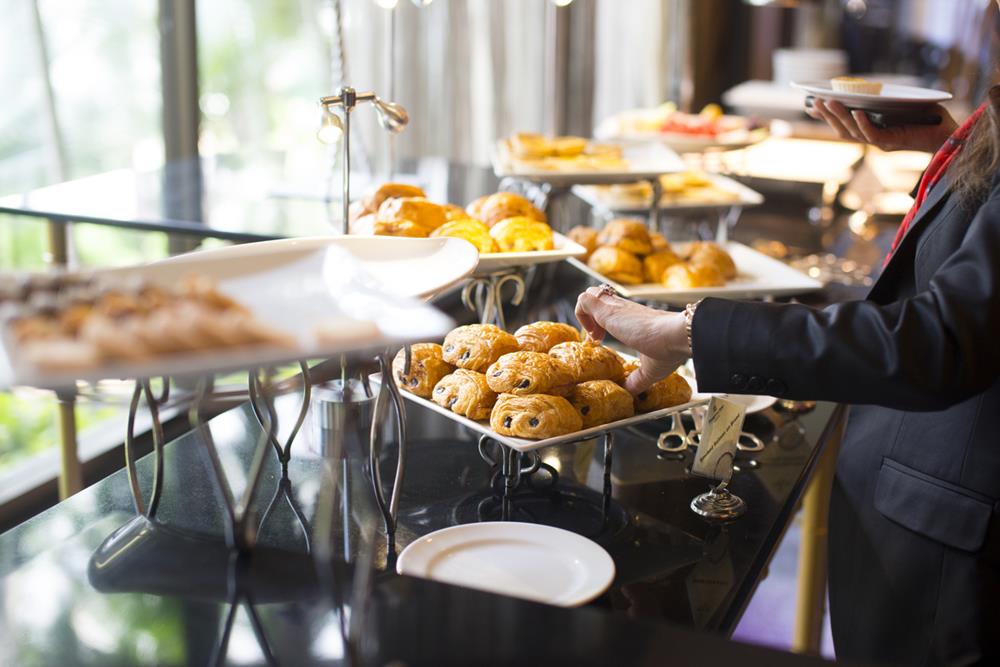
Some dining experiences encourage guests to participate more actively in their meals. These styles are perfect for those who like to choose their own dishes or prefer a casual, relaxed atmosphere.
Self-Serve Spread (Buffet Service)
Buffet-style dining is one of the most popular forms of guest-involved dining. In a buffet, a wide variety of dishes are laid out on tables or counters, and guests serve themselves. Buffets are typically offered at a fixed price and are expected at large gatherings, events, or in places like hotels. They allow diners to sample many different dishes in one meal.
Buffets can be tailored to different times of day or specific types of food, such as breakfast buffets, dessert buffets, or international cuisine buffets. However, they also have some drawbacks, like the potential for food waste or the fact that food quality can decline if it's left out too long.
Casual Dining Areas (Lounge Service)
Lounge service is more laid-back, perfect for casual meals or socializing with friends. It's often found in bars, cafes, and hotel lounges, where the focus is on comfort and a relaxed atmosphere. Lounge service typically offers small plates, snacks, and a variety of drinks. Guests can order when they feel ready and can stay as long as they like.
The casual setting, with comfy seating and often dim lighting, makes lounges ideal for a quick bite or drinks with friends. Staff keep an eye on the guests and are ready to offer service when needed, but without hovering.
4. Customer-Driven Dining
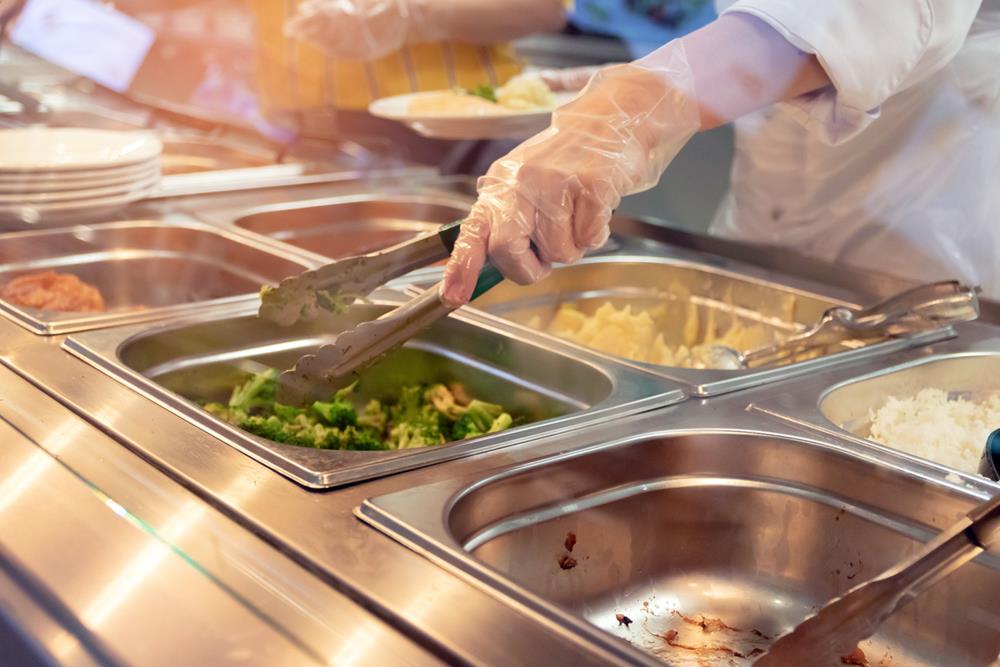
Customer-driven dining takes a more hands-off approach, giving the diner control of their experience. This style is perfect for fast-paced lifestyles or casual settings where speed and efficiency are key.
Food Hall Approach
Food halls have become increasingly popular, especially in busy urban centers. In a food hall, diners move through various food stations, selecting dishes from different vendors. This setup allows for multiple cuisines, and guests can mix and match dishes to create their own unique meals. Food halls are commonly found in schools, workplaces, or hospitals but also pop up in cities as trendy dining spots.
The food hall approach is excellent for groups; everyone can choose something different without being tied to a single menu. It's also efficient, as many people can be served at once.
Quick-Serve Counter
Quick-serve counters are all about speed and simplicity. In this style, diners order their food at a counter, pay, and then either collect their meal or have it brought to their table. This style is typical in fast-food restaurants or casual eateries where people want good food without long waiting.
Quick-serve counters often feature large menu boards and digital ordering kiosks to streamline the process. This method is cost-effective for restaurants because it requires fewer staff members and is efficient for guests who want a quick meal.
5. Unique Dining Experiences
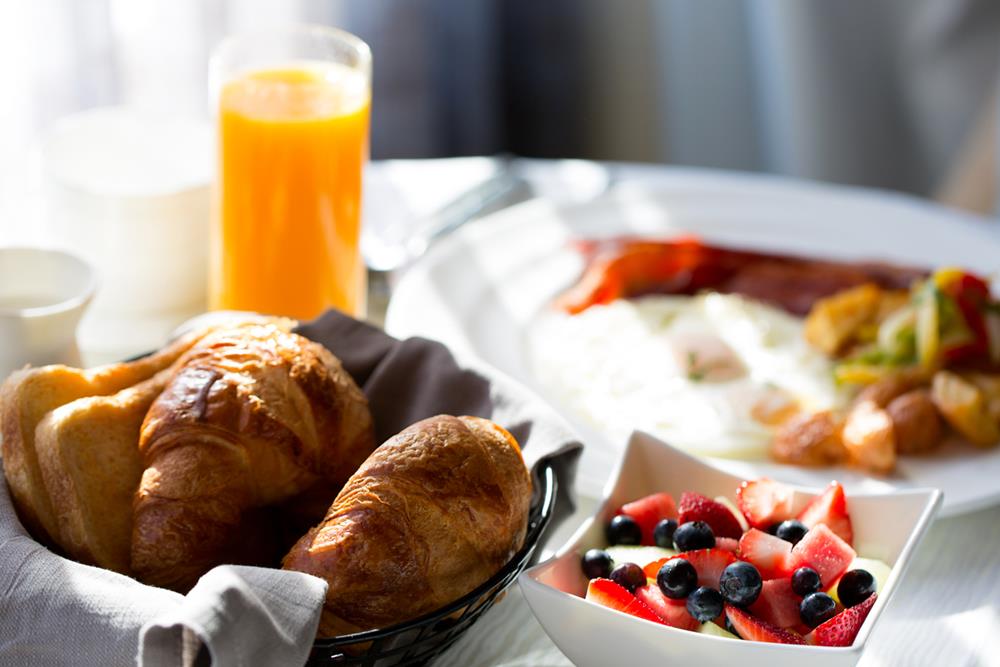
Finally, some dining services offer a completely unique experience. These styles often cater to specific needs or preferences and offer a personalized touch.
Chef's Curated Menus
Chefs' curated menus showcase the chef's creativity and expertise. These multi-course meals often consist of small, artfully presented dishes highlighting seasonal ingredients or the chef's specialties. Many restaurants also offer wine pairings to complement each course.
The number of courses can vary but typically ranges from 5 to 12. This dining style is perfect for food lovers or special occasions where you want to try something new and exciting.
In-Room Dining
In-room dining is a service commonly offered in hotels. It allows guests to enjoy restaurant-quality food in the comfort of their own rooms. Whether breakfast in bed or a late-night snack, in-room dining offers convenience and privacy.
Most hotels offer in-room dining 24/7. Guests can choose from a menu that often includes local specialties or international favorites. Staff deliver the food on covered trays or carts, creating a mini-restaurant experience in their rooms.
Meal Tray Service
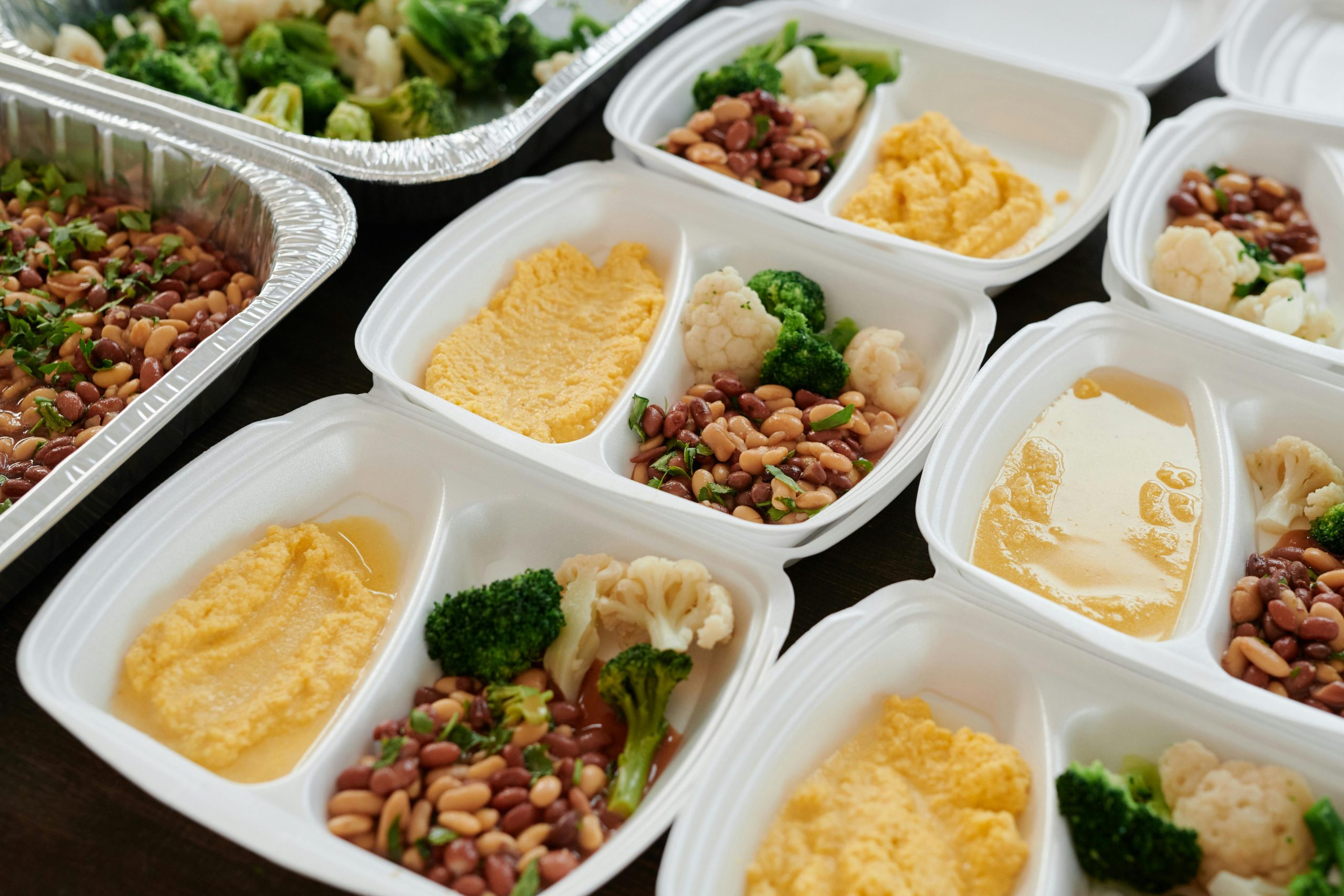
Meal tray service is designed for efficiency and is commonly used in hospitals and schools. In this style, pre-plated meals are delivered on trays, ensuring that everyone receives the same meal. While it lacks the personal touch of other services, meal tray service ensures consistency and hygiene.
Food Delivery to Your Door
Food delivery services have exploded in popularity in recent years. With a few clicks on a smartphone app, diners can have their favorite restaurant meals delivered straight to their door. This service offers convenience and variety, allowing people to enjoy restaurant-quality food from the comfort of home.
Delivery services have become a lifeline for many restaurants, especially during times when dining out isn't an option. The wide range of choices available through food delivery apps makes it easier than ever to enjoy a meal without leaving the house.
Conclusion
Food and beverage services greatly shape how we experience dining. Whether it's the elegance of Silver Service, the flexibility of buffets, or the convenience of food delivery, each type offers a unique experience that caters to different preferences and occasions. As the dining industry evolves, so will the variety of services, ensuring that there's always an option that fits every diner's needs. Restaurants, by understanding these service styles, can create memorable dining experiences for all types of customers.