Understanding the Role of an Expeditor in Restaurant Service
When you sit down at a restaurant, ready to enjoy a meal, you probably aren't thinking much about what's going on behind the scenes. But if your food arrives quickly, at the right temperature, and looks like something out of a magazine, chances are there's an expeditor working hard to make sure everything goes smoothly. The role of an expeditor might not be the most glamorous in the restaurant industry, but it's crucial to keeping the kitchen and dining room in sync.
In this post, we'll break down what an expeditor does, why they're so important, and how they help shape the dining experience from behind the scenes.
What Exactly Does an Expeditor Do?
So, what is an expeditor, anyway? An expeditor, or "expo" for short, is basically the person who acts as the middleman between the kitchen and the front-of-house staff. They're the ones making sure that orders are correct, that food comes out looking perfect, and that it all happens in a timely manner. Think of them as the quarterback of the restaurant, coordinating everything to keep the service running smoothly.
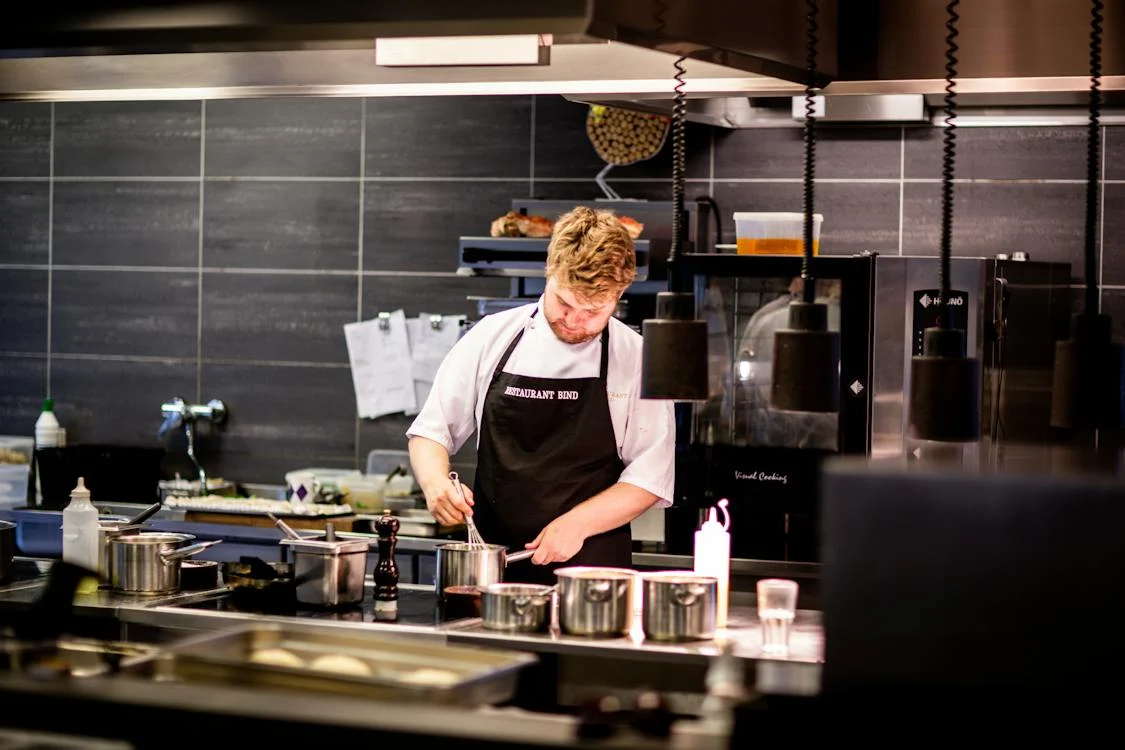
Expeditors don't cook the food or serve it directly, but they're responsible for managing the flow of orders. They make sure the kitchen prepares dishes in the right order, check that everything is cooked and plated correctly, and communicate with servers about when the food is ready to go out. Without an expeditor, the whole operation could easily fall into chaos, especially during busy times.
Why Expeditors Are Key to Restaurant Efficiency
A restaurant's ability to deliver great food quickly is a big part of the dining experience, and expeditors are at the heart of that process. Timing is everything in a restaurant, especially when you have multiple tables to serve, each with its own requests and preferences. This is where the expeditor's role becomes so critical.
Expeditors are like timekeepers, ensuring that the right dishes go out at the right time. They coordinate all the orders, so if one table orders a steak that takes longer to cook and another orders a salad, they make sure the dishes for both tables are ready and served together. If they notice a delay with one dish, they may hold off on sending others so that no one at the table is left waiting.
Their role doesn't stop at timing, though. Expeditors are also responsible for the final check before food leaves the kitchen. They ensure every dish looks appetizing, is cooked properly, and meets the restaurant's standards. If something's off — maybe a dish is missing an ingredient, or the plating doesn't look quite right — it's the expeditor's job to catch it before it gets to the customer.
The Importance of Communication
A big part of the expeditor's job revolves around communication. They need to be in constant contact with both the kitchen staff and the servers to keep everything running smoothly. In the kitchen, the chefs are focused on preparing the food while the servers are out on the floor attending to guests. It's up to the expeditor to bridge that gap.
For instance, if a customer has a special request, like substituting an ingredient or noting an allergy, the expeditor makes sure that information gets to the kitchen and is followed correctly. If a certain dish is no longer available — a situation known as being "86d" — the expeditor informs the servers so they don't accidentally offer it to a guest. The goal is to prevent any miscommunication that could lead to delays or mistakes, which could ultimately impact the guest's dining experience.
During busy periods, this communication becomes even more critical. Expeditors need to think on their feet and communicate clearly to avoid any hiccups in service. They are constantly juggling multiple tasks and making sure the right information flows between the kitchen and the dining room at all times.
Enhancing the Customer Experience
You might not see them, but expeditors have a direct impact on your experience at a restaurant. When your food arrives on time, looks Instagram-worthy, and tastes great, you have an expeditor to thank for making sure everything comes together behind the scenes.
One of the main ways expeditors affect the dining experience is by ensuring that dishes come out at the perfect moment. No one wants to wait 15 minutes for their entree after finishing their appetizer, and certainly, no one wants a lukewarm meal. Expeditors help avoid these common dining pitfalls by carefully managing the timing of each dish.
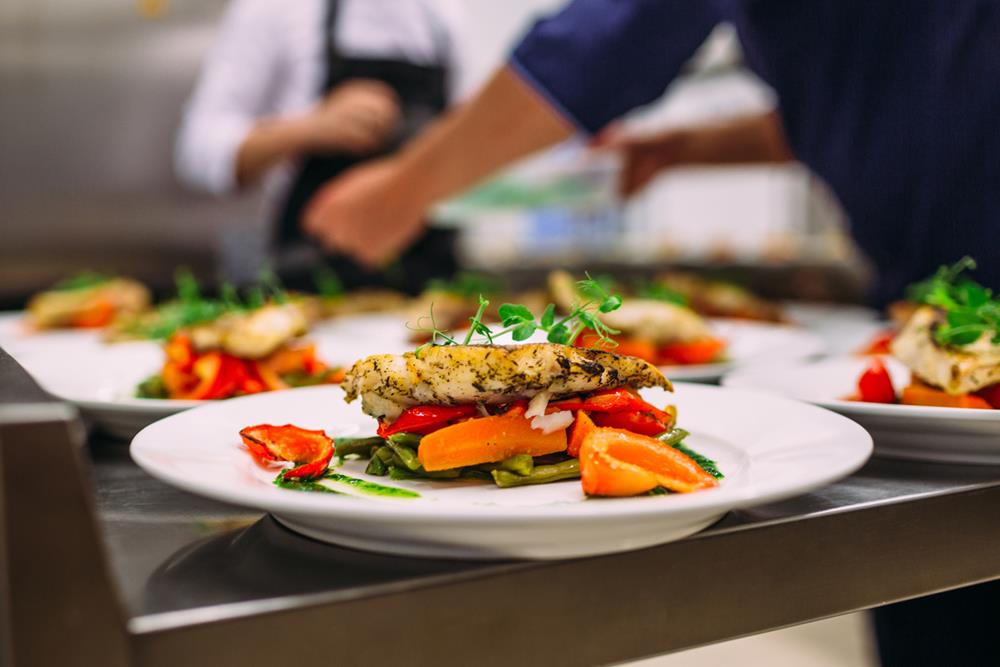
Then there's the presentation. We all eat with our eyes first, and if a dish looks sloppy or incomplete, it can affect how we perceive the meal's taste. Expeditors are responsible for ensuring that every dish meets the restaurant's visual standards before it's served to the customer. They also check for any missing ingredients or garnishes and make sure everything is served just as the chef intended.
Expeditor's Role in Quality Control and Food Safety
Expeditors don't just keep things moving — they're also responsible for maintaining quality control in the kitchen. Before any plate leaves the kitchen, the expeditor is the last person to inspect it. They check that every dish is cooked to the right temperature and that it looks appetizing.
But quality control isn't just about presentation. Expeditors also play a key role in food safety. If a dish contains allergens or special dietary restrictions, the expeditor makes sure it's handled carefully and that there's no cross-contamination. This attention to detail is crucial for keeping customers safe, especially those with food allergies.
For example, if a guest is allergic to nuts, the expeditor ensures that no traces of nuts are present on the plate and that the kitchen followed all necessary precautions during preparation. The expeditor is, in many ways, the last line of defense when it comes to food safety.
What Skills Does an Expeditor Need?
Being an expeditor requires a unique skill set. It's not just about moving food from the kitchen to the dining room — there's a lot more to it than that. To be a great expeditor, you need to have:
- Strong Communication Skills: You'll be the main point of contact between the kitchen and the waitstaff, so being able to communicate clearly and quickly is essential.
- Multitasking Ability: There's always a lot happening in a restaurant, especially during busy times. Expeditors need to be able to manage multiple orders and tasks at once without getting overwhelmed.
- Attention to Detail: Every dish needs to meet the restaurant's standards before it goes out, and it's the expeditor's job to make sure everything is perfect. Whether it's checking for missing ingredients or ensuring the presentation is spot-on, attention to detail is key.
- Organizational Skills: Keeping track of multiple orders, timing dishes correctly, and ensuring nothing gets missed requires strong organizational skills.
- Calm Under Pressure: Restaurants can be high-stress environments, especially during peak hours. Expeditors need to stay calm and focused, even when things get hectic.
Challenges Expeditors Face
Like any job in the restaurant industry, being an expeditor comes with its challenges. One of the biggest is managing the flow of orders during peak times. When the kitchen is slammed with orders and the dining room is full of hungry guests, things can get stressful fast. Expeditors need to stay organized and keep their cool to ensure everything runs smoothly.
Another challenge is dealing with mistakes or delays. Maybe a dish is taking longer than expected to cook, or maybe the kitchen accidentally prepared the wrong order. In these cases, it's up to the expeditor to find a solution and keep things moving. They might need to adjust the timing of other dishes, communicate the issue to the server, or even send a dish back to the kitchen if it's not up to standard.
The Role in Career Growth
For many, working as an expeditor is a stepping stone to higher roles in the restaurant industry. Since the job requires a deep understanding of both kitchen operations and front-of-house service, it provides a solid foundation for those looking to move up the ladder.
Expeditors often move into roles such as shift managers, floor managers, or even kitchen managers. The organizational and communication skills they develop as expeditors are invaluable in these higher-level roles. For those with a passion for food and hospitality, the expeditor role offers a great opportunity to learn the ropes of the industry.
Conclusion
At the end of the day, the expeditor is the unsung hero of restaurant service. They're the ones making sure that your meal arrives on time, looks great, and tastes even better. Without them, the kitchen would struggle to keep up with the demands of a busy dining room, and the customer experience would suffer.
So the next time you enjoy a meal that's perfectly timed, beautifully presented, and exactly what you ordered, remember that there's likely an expeditor working hard behind the scenes to make it all happen. Their role might not be glamorous, but it's absolutely essential to the success of any restaurant.