What Are The Different Food Packaging Solutions?
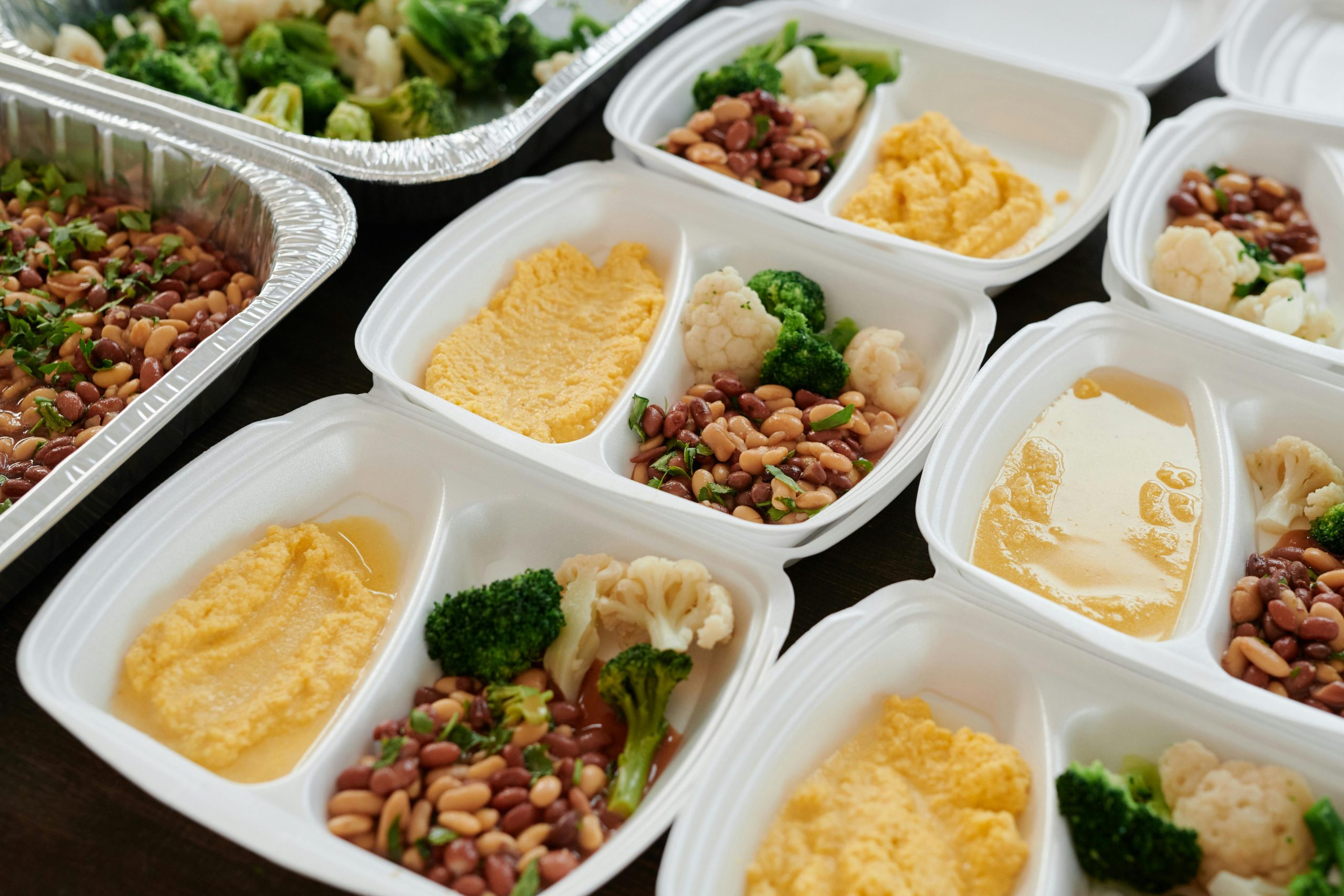
If you are a food lover like us, let's explore the latest and greatest packaging solutions for keeping grub fresh and delicious. Whether you produce frozen meals, sell snacks, or ship produce worldwide, how you pack your products matters big time.
From funky shapes and sizes to smart high-tech materials, today's food packaging solutions go way beyond boring boxes. Experts like pacfood.com.au say that brands now have tons of innovative ways to package foods that are shelf-stable, sustainable, eye-catching and cost-effective all at once.
Read on for an in-depth overview of different food packaging styles and technologies to consider for your unique needs. Let's dig in.
Pouches
Goodbye rigid boxes and bags - flexible pouches are a hot new trend taking over grocery store shelves. These lightweight, bag-like pouches stand up on their own but can hold shapeless foods like:
- Applesauce or fruit purees
- Tomato sauce, condiments, and salad dressings
- Yogurt
- Smoothies or protein shakes
- Soups or baby food
Pouches are great for portion control via built-in spouts. They take up less shelf space than tubs or jars. And consumers love the grab-and-go convenience and ease of dispensing from pouches. Especially popular for on-the-go snacks, kid's items, and mess-free holiday chocolates.
Modified Atmosphere Packaging
Ever wonder how food stays fresh inside a sealed package? One answer is modified atmosphere packaging (MAP). This technology lets you customize the internal gaseous environment inside a package. Altering oxygen, nitrogen, carbon dioxide and other gas ratios can:
- Extend freshness and shelf life
- Inhibit mold, yeast or bacteria growth
- Control produce ripening
- Prevent freezer burn
MAP gives packaged products a longer stable shelf life naturally by optimizing the gas mixture around the contents. Different foods require different recipes.
Biodegradable and Compostable Materials
Eco-conscious brands are increasingly using renewable, sustainably-sourced packaging materials such as:
- Plant-based plastics derived from corn, sugarcane, potatoes or even seaweed
- Compostable films made from algae or other agricultural byproducts
- Cushioning materials made from mushrooms
- Edible or dissolvable wrappers and liners
These innovative renewable materials help reduce waste, carbon emissions, and overall environmental impact. They break down completely when disposed properly.
Smart and Active Packaging
New "intelligent" active packaging options are also hitting shelves. These packages have features that continuously monitor and adapt to optimize internal conditions. Examples include:
- Oxygen absorbers to reduce oxidation
- Moisture regulators to control humidity
- CO2 emitters to inhibit bacteria
- Time-temperature indicators that show food freshness
By actively modifying internal conditions in the packaging, food stays fresher and safer for longer durations. Pretty smart, right?
Conclusion
As you can see, the possibilities are endless when it comes to innovative food packaging solutions. From pouches to smart packaging, brands have tons of options to protect products while appealing to modern consumers. The key is choosing packaging that fits your specific goals and products. Factors like shelf life, sustainability, marketing, and costs all play a role. Work with knowledgeable suppliers who can help identify the best materials and technologies to meet your needs.
With so many advances in food packaging, companies can now keep items fresh and safe in efficient, eco-friendly ways. Careful selection allows you to delight customers while optimizing operations. The options are wide open - you just need to determine the right path forward for your brand.