What It Takes to Lead a Culinary Team as a Head Chef

Being a head chef is a profession to be proud of. More than making incredible food, it's about leading a team and making sure everything in the kitchen runs smoothly. Sure, you need to know your way around food and a stove, but you also have to manage people, control costs, and keep the standards high. It's like juggling, but instead of balls, you've got recipes, schedules, and sometimes even personalities to handle. If you're curious about what goes into being a successful head chef, let's take a closer look.
Setting Goals for the Kitchen
Every great leader knows the importance of setting goals, and being a head chef is no different. Whether it's about improving the efficiency of the kitchen, reducing food waste, or even launching a new menu, setting clear goals gives your team something to aim for. And when everyone knows what they're working toward, it helps the kitchen stay on track.
For example, you might set a goal to cut food waste by 10% over the next few months or to keep food costs at 30% of your total sales. These numbers might sound technical, but when broken down, they make a lot of sense in the day-to-day running of a kitchen. You can easily communicate these goals to your team, and they'll know how their work fits into the bigger picture.
But it's not just about numbers. As a head chef, you also set the tone for the kind of food your kitchen will produce. Whether it's a seasonal menu or a signature dish, your team looks to you for guidance. Sharing your vision for the food and how you want it to look and taste gets everyone excited and on the same page. When your team buys into your vision, they're more motivated to bring those dishes to life in a way that matches your expectations.
Training and Cross-Training Your Team
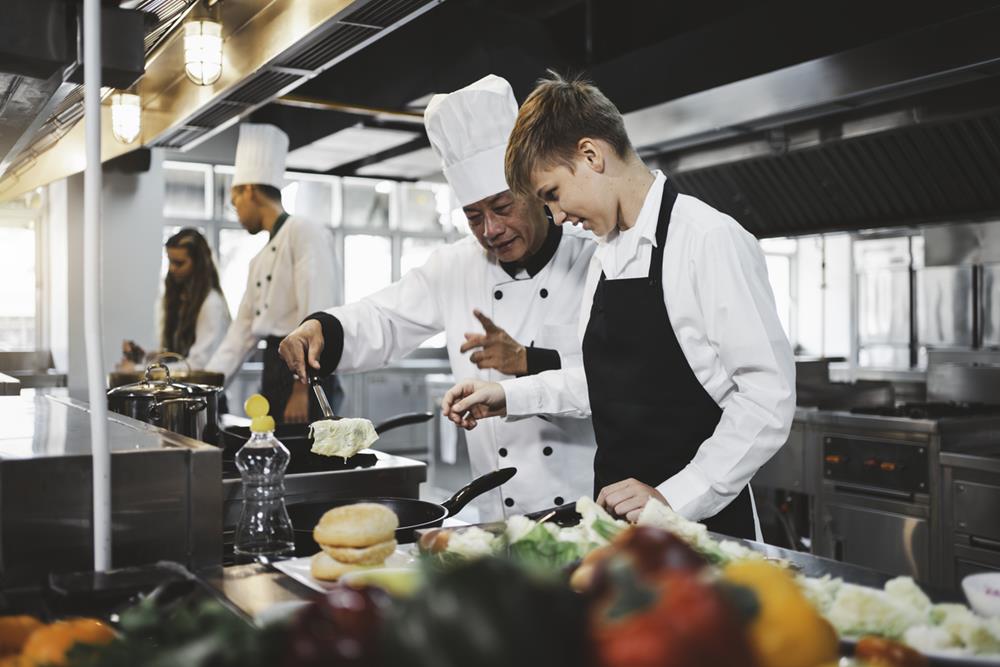
Training is essential in any kitchen. You can't just expect your team to know everything right off the bat. It's your job as the head chef to make sure they're prepared. And training doesn't just stop at how to chop an onion or cook a perfect steak. It's also about teaching them how to work together, communicate effectively, and handle the pressure that comes with working in a busy kitchen.
Another key part of training is cross-training. This means teaching your team members how to do more than just their assigned tasks. If one of your cooks is fantastic at the grill but has never worked the dessert station, cross-training gives them the opportunity to learn new skills and help out where needed. Kitchens can get chaotic, and having a flexible team that can switch between stations is a huge advantage.
Plus, when your team members understand what goes into each part of the kitchen, they'll work better together. They'll appreciate each other's roles more and be quicker to help each other out. And that leads to a more harmonious kitchen overall.
Mentorship is another great way to develop your team. Offering mentorship opportunities—whether it's with you or with other experienced chefs in the kitchen—helps younger or less experienced staff grow. And when they grow, so does your kitchen's potential. Investing time in their development not only makes them better chefs but also prepares them to step up when needed.
Delegating and Trusting Your Team
As a head chef, you simply can't do everything. The sooner you accept this, the better! Delegation is key to running a successful kitchen. That means you need to trust your team to handle their responsibilities without needing to watch over their shoulder every second.
When you delegate tasks, make sure you're assigning them based on each person's strengths. If one of your sous chefs is particularly good at organizing, they might be the best person to handle inventory management. If another is great with sauces, let them take charge of that part of the menu. The point is to play to their strengths and allow them to take ownership of their tasks.
Effective delegation also helps your team feel empowered. They'll appreciate the trust you've placed in them and take more pride in their work. Regular check-ins are important to ensure things are on track, but you want to avoid micromanaging. Your role as a head chef is to guide and support, not to hover over every move your team makes.
Building a Positive Kitchen Culture
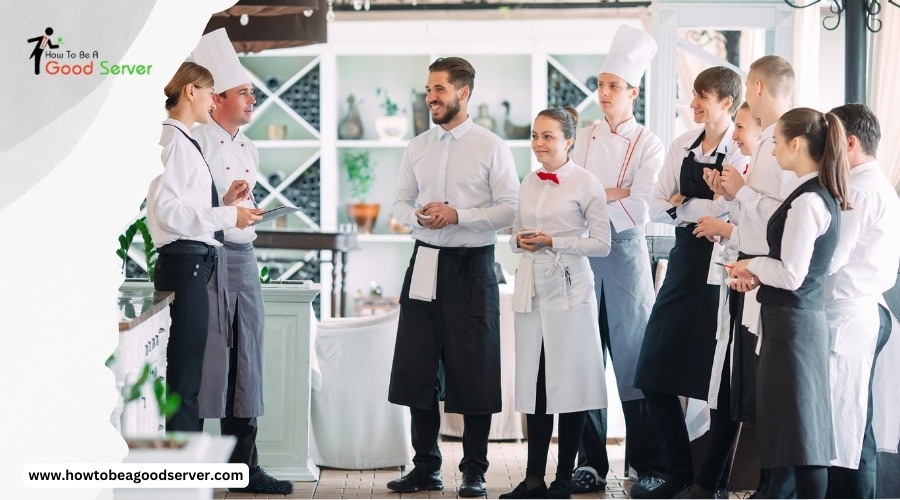
The kitchen can be a high-stress environment. It's fast-paced, loud, and hot, and tempers can flare when things get intense. As the head chef, it's up to you to create a positive culture that keeps everyone focused and working together, even during the busiest of shifts.
A positive kitchen culture is built on respect and collaboration. When your team feels respected, they're more likely to go the extra mile for you. Encourage open communication—if someone has a problem, they should feel comfortable coming to you or another leader in the kitchen to talk it out.
Recognizing hard work and celebrating achievements, even small ones, is another way to keep morale high. Whether it's complimenting someone on perfectly cooked fish or acknowledging the team for getting through a particularly busy service, little moments of appreciation go a long way.
Conflict will happen from time to time, but how you handle it makes all the difference. When disagreements or issues arise, approach them with fairness and a level head. By addressing problems quickly and fairly, you'll maintain a healthy work environment where everyone feels heard and valued.
Continuously Learning and Staying Creative
Being a head chef doesn't mean you've learned everything there is to know about cooking. In fact, one of the best traits of a successful chef is their commitment to continuous learning. The culinary world is always evolving—new techniques, ingredients, and trends are emerging all the time.
To stay on top of your game, it's important to seek out learning opportunities. This might mean attending workshops, taking courses, or simply trying out new recipes on your own time. You can also learn a lot from other chefs. Networking within the culinary community allows you to exchange ideas and stay inspired.
Encouraging your team to stay creative and try new things is equally important. You can hold mini-challenges in the kitchen, where each cook comes up with a special dish. These little competitions are fun, and they keep everyone's creativity sharp.
But while creativity is great, don't forget about consistency. One of the hallmarks of a great kitchen is its ability to produce high-quality dishes every single time. So, while you're experimenting and innovating, make sure your team understands that consistency is key. Your customers expect the same delicious meal every time they visit, and it's your job to make sure that happens.
Managing Costs and Running an Efficient Kitchen
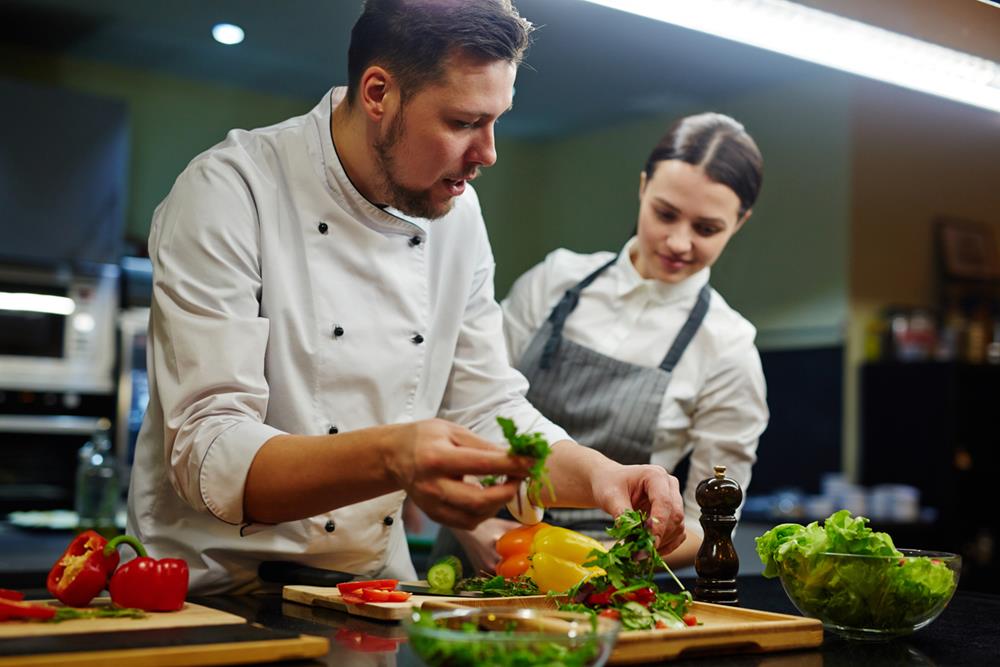
Being a head chef isn't just about making great food—it's also about running a profitable kitchen. Managing costs is a huge part of the job, and if you're not keeping a close eye on things, your restaurant could lose money fast.
One of the most important areas to focus on is food costs. Keeping track of how much you're spending on ingredients and how that compares to what you're making is crucial. You need to strike a balance between offering high-quality food and staying within budget. Regular reviews of your food costs and pricing help you make necessary adjustments to your menu.
Inventory management is another key area. No one likes food waste, and it's costly for the restaurant. By staying organized and keeping tabs on what's in stock, you can reduce waste and ensure you're using ingredients at their freshest.
Collaborating with suppliers can also help you cut costs without sacrificing quality. Building strong relationships with your suppliers might open the door to better deals and fresher ingredients.
Digital tools can make this process even easier. From tracking food costs to managing inventory, using the right technology helps you stay organized and on top of your kitchen's financials.
Maintaining High Standards in Food Safety
No matter how good the food tastes, if it's not safe, it doesn't matter. Food safety and hygiene are non-negotiable in any kitchen, and as the head chef, it's your responsibility to make sure your team follows the necessary protocols.
Regular food safety training sessions are essential. Even if your team knows the basics, a refresher every now and then keeps everyone sharp. Cover things like proper storage, cooking temperatures, and how to prevent cross-contamination. Not only does this protect your customers, but it also keeps your kitchen in compliance with health regulations.
Beyond food safety, maintaining the quality of the food itself is a top priority. It's your job to ensure that every plate leaving the kitchen meets the standards you've set. This means conducting regular taste tests, checking portion sizes, and making sure every dish looks just as good as it tastes.
Conclusion
Being a head chef is no small task, but it's incredibly rewarding. It's about more than just creating great food—it's about leading a team, fostering a positive environment, and making sure everything runs smoothly from start to finish. You'll need to be organized, adaptable, and always willing to learn. And at the end of the day, when you see your team working like a well-oiled machine and hear the satisfaction of happy customers, it all feels worth it.
Leading a culinary team isn't just a job—it's a journey. And with the right skills, mindset, and passion for food, it's one you'll enjoy every step of the way.