What’s In a Name? The Subliminal Messaging of Bar, Clubs, and Restaurant Names
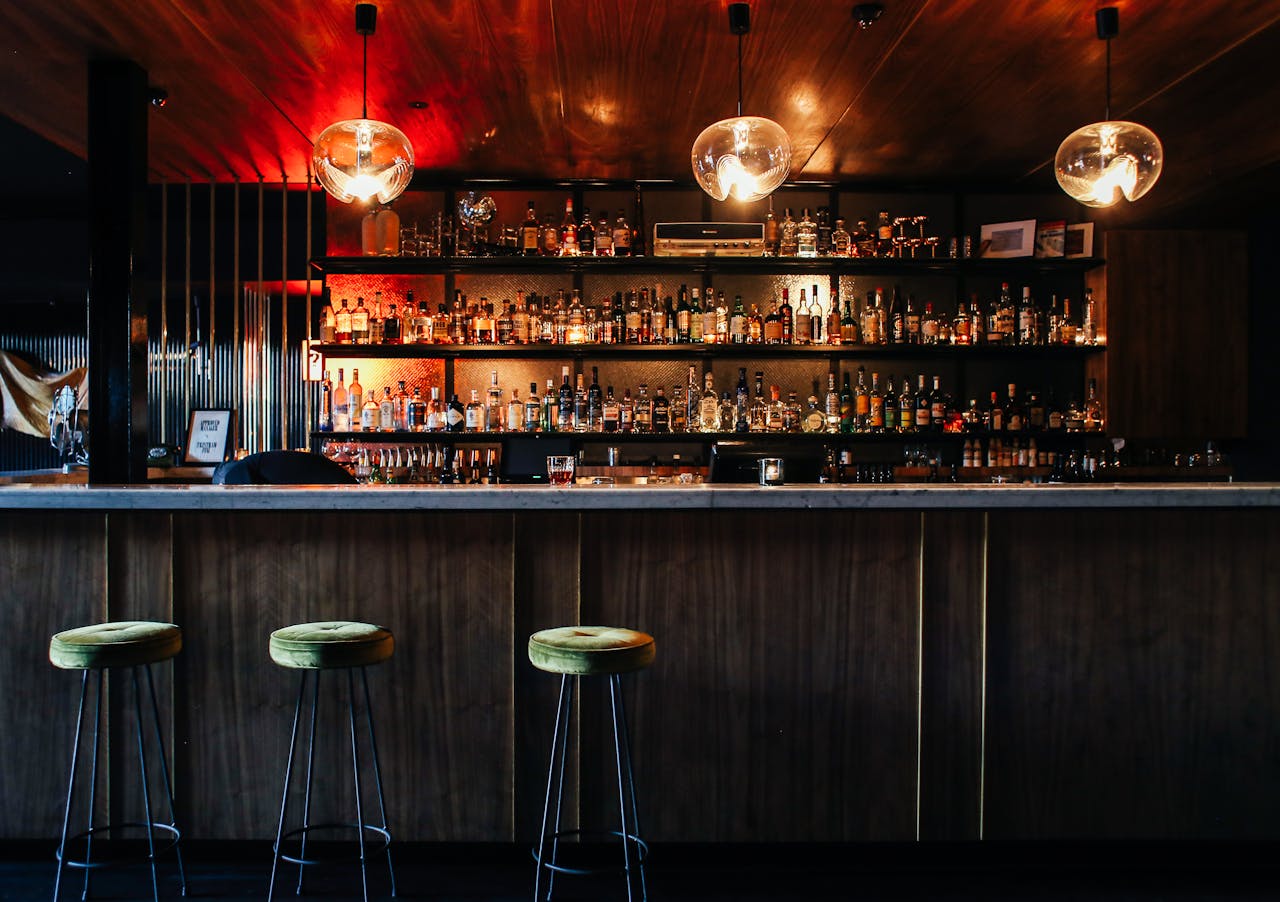
If you’ve ever dreamed about opening your own place, it’s likely that you have come up with a name for your hypothetical bar, restaurant, or nightclub. Many of us will, of course, use something personal, a little nod to ourselves or a loved one. And there’s certainly nothing wrong with that: Harry’s New York Bar, Paris, for example, was purchased by a talented barman, Harry MacElhone, in 1923, and it soon became one of the most famous bars in the world.
Yet, hospitality nomenclature plays an important role in suggesting the nature of an establishment for potential customers before they have even set foot through the door. It’s interesting on several levels, not least because the wrong name can be misleading. For instance, a name like O’Neill’s Tavern suggests old-world charm and Irishness. If you’re selling tacos and playing EDM music, your patrons will probably be surprised and perhaps a little annoyed if they weren’t familiar with your offering.
A name can instantly evoke an impression
In addition, naming can evoke a sense of place and time. If you consider a name like “Club Tropicana,” which was made famous by the Wham! Song, you can automatically picture what sort of place it would be. Indeed, you could probably picture the cocktails, neon colors, 80s vibe, and beats in the Club Tropicana slot game without having played it. But here’s the thing: There was no such thing as Club Tropicana – it was a completely fictitious place made up by George Michael and Andrew Ridgely. The point, as such, is that the name is so influential that we can picture a place that never existed.
As well as evoking a time, a name will also define a sense of class, although there is a nuance to this that has caused some skepticism among customers. For instance, there are numerous places with words like “Plaza,” “Palace,” or “Grand” in their names, and, well, you know, they don’t always live up to their names. It can sometimes be a cynical marketing tactic, but it’s sometimes unintentionally hilarious.
Often, names mean absolutely nothing and are chosen because they sound interesting or cool. Nightclubs are often ‘guilty’ of this. With names like Pacha (Ibiza) and E11even (Miami) opting for style over substance. There’s nothing wrong with that, of course, but it’s just interesting to note that the naming gives little indication of what they are beyond being a nightclub.
A trend that has arrived in recent years, especially when it comes to craft beer bars, is to come up with names that evoke the past, with names like Benny’s Gin Joint or North Street Imbibing Emporium. There is a hipster quality to it, and it might turn some off, but it also works. If you have a place called Jack’s Ale Saloon or The Old Taprooms on 5th Street, that’s fine, as long as you have plenty of beer on draught. But there is also a danger here, as the fact so many new craft beer bars are using nomenclature like “emporium,” “taprooms,” and “alehouse” that the naming begins to lose resonance.
Ultimately, the art of naming a bar, club, or restaurant lies in walking the fine line between clarity and creativity. The Dead Rabbit (New York) is regularly cited as one of the best bars in the world, and with good reason. It was opened by two bartenders who were originally from Belfast and learned their trade there. The name evokes memories of Irish immigrants in NYC, as well as familiarity for its use in the Gangs of New York movie. Yet, without being overt, it tells us a lot about the establishment without telling us too much. It’s a great choice and makes sense when you visit it.
The truth, though, is that there is no defined set of rules for choosing a name. The Dead Rabbit would have been a failure had the two former bartenders who created it not had a clear vision for the premises. The name is like the cherry on top. But while there are no rules, as such, there are guidelines to consider. For a start, you’ll want somewhere that’s easy to both recall and spell. The reason for that is due to being searchable and discoverable online. As has hopefully been made clear in this piece, you’ll want the name to at least hint at what type of place you have; there’s no point in calling your place Salon Privé if you sell tacos. But above all, you should aspire to a name you believe in, whether that’s honoring someone in the nomenclature or a goal for what you want your place to be.