Why Bussers Are Crucial for Keeping a Restaurant Running Smoothly
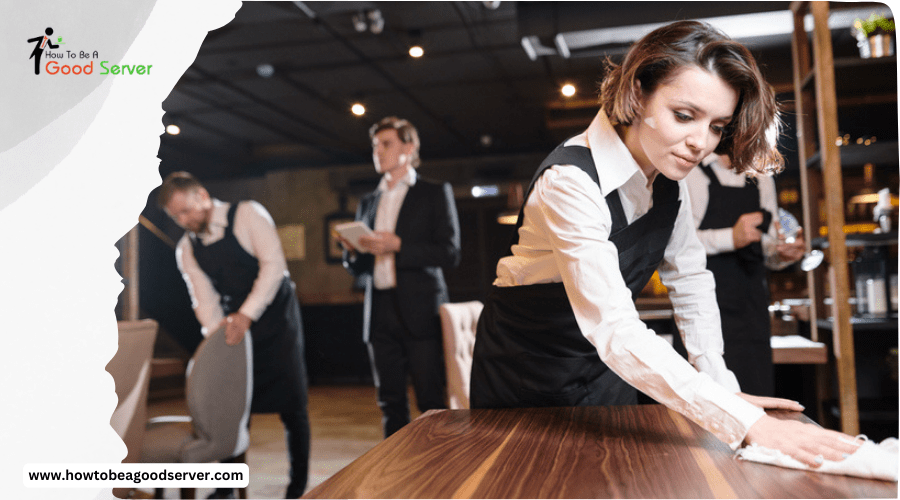
When people think of what makes a restaurant tick, they usually picture the chefs whipping up dishes in the kitchen or servers taking care of guests. But there’s one role that often gets overlooked, and yet it’s absolutely essential for keeping everything running smoothly: the busser. Bussers might not be in the spotlight, but they’re a big part of why your dining experience is enjoyable. They help keep things clean, organized, and efficient—and without them, restaurants wouldn’t be nearly as smooth or profitable.
Let’s dive into why bussers are so important and explore how their hard work plays a huge role in a restaurant’s overall success.
1. They keep the dining areas clean and organized.
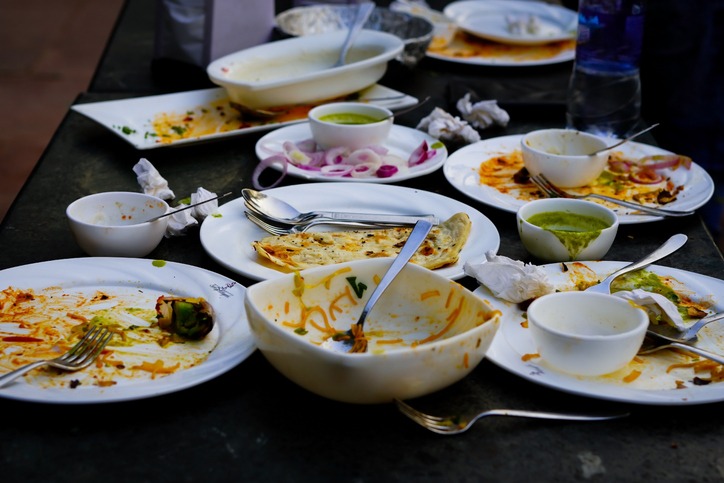
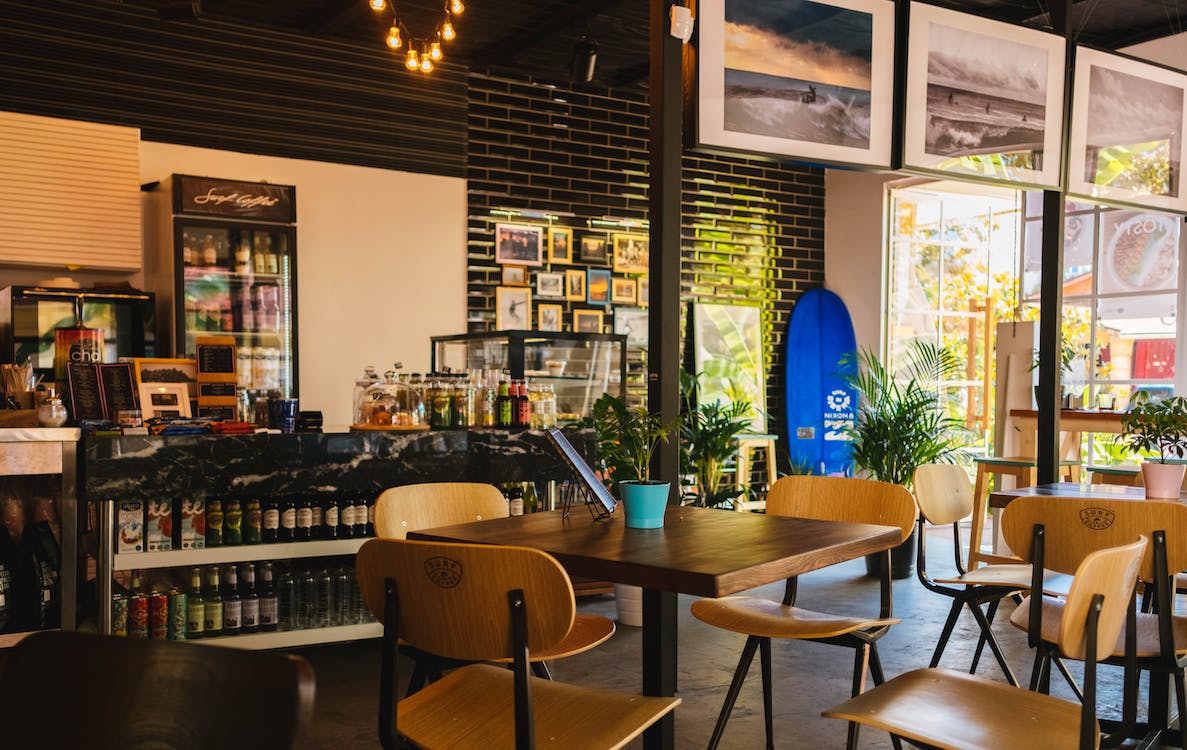
Picture this: You walk into a restaurant, and the first thing you see is a dining area full of dirty tables. Even if the food is excellent, that initial impression sticks with you—and it’s not good. This is why bussers are essential. They ensure that tables are cleared and reset as soon as guests leave, creating a welcoming environment for the next group of diners.
Cleanliness in a restaurant is not just about appearances – it directly impacts the guest’s dining experience. Research shows that over 80% of customers avoid establishments with unclean spaces, so having a clean dining room can make or break a guest’s decision to return. Bussers are the front line of defense when it comes to maintaining this cleanliness. They clear tables, wipe down surfaces, pick up stray utensils, and make sure everything is spotless. A busser’s attention to detail helps keep things running smoothly and ensures that guests are comfortable.
Table turnover is another crucial factor. When tables are cleared quickly and efficiently, more customers can be seated, which leads to more revenue for the restaurant. Without bussers, this process would be much slower, leaving guests waiting longer for a table and potentially hurting the restaurant’s bottom line.
2. They support the waitstaff and kitchen team.
Bussers are much more than the “cleanup crew.” They work closely with the waitstaff and kitchen team to keep things flowing smoothly, especially during busy hours. When a busser clears a table and resets it for the next guest, it’s not just about cleaning up—it’s about making sure that the whole restaurant is functioning efficiently.
For example, servers rely on bussers to clear dishes quickly so they can continue serving guests without interruptions. The less time servers spend clearing tables or refilling water glasses, the more time they have to focus on giving guests an excellent dining experience. Similarly, the kitchen team benefits from bussers because they communicate when a table is cleared and ready for the next order. This communication helps the kitchen stay on top of what’s coming next, ensuring that food is delivered promptly and the restaurant operates like a well-oiled machine.
During peak hours, this support system is even more critical. Bussers can step in to help with small tasks like delivering bread, refilling drinks, or even answering guest requests. All of these actions lighten the load for servers and help the restaurant run efficiently, even during the busiest times.
3. They enhance every guest's visit.
Guests might not always notice the busser, but they definitely feel the impact of a well-maintained dining area. When tables are cleared quickly and the dining room is clean and organized, guests feel more relaxed and at ease. A great dining experience isn’t just about the food; it’s about the atmosphere, too. And a cluttered, dirty dining area can take away from that.
Bussers are the unsung heroes when it comes to enhancing the overall customer experience. They keep an eye on the dining room, making sure everything is tidy and that guests have what they need. Whether it’s refilling water glasses, clearing away dirty plates, or handling spills, bussers ensure that guests feel taken care of throughout their meals.
Another key point to remember is that speed matters. If a table isn’t cleared and reset quickly, new guests might have to wait longer to be seated, which can lead to frustration. Bussers play a huge role in making sure this doesn’t happen. Their ability to clear and reset tables efficiently keeps the flow of service going, which means happier customers and better reviews.
4. They help boost the bottom line.
When you think about the financial success of a restaurant, bussers might not be the first role that comes to mind. But the truth is bussers play a significant role in a restaurant’s profitability.
For starters, bussers help increase table turnover rates. The faster tables are cleared and reset, the more guests a restaurant can serve in a given shift. This is especially important during busy times when maximizing the number of guests served can make a big difference in overall revenue.
In addition to helping with table turnover, bussers also reduce operating costs. Properly trained bussers know how to handle dishes, glasses, and utensils with care, which helps minimize breakage and loss. This might seem like a small thing, but over time, it can lead to significant savings.
And let’s not forget about the impact of cleanliness on customer satisfaction. As mentioned earlier, a clean dining area is crucial for keeping customers happy and encouraging repeat business. When guests feel that the restaurant is clean and well-maintained, they’re more likely to return, which leads to increased revenue over time.
The Skills and Qualities That Make a Great Busser

Being a busser isn’t just about clearing tables—it requires a unique set of skills to be effective in the role. Bussers need to be quick, efficient, and always on the lookout for what needs to be done next. It’s a fast-paced job that requires constant movement and multitasking.
Here are a few qualities that make a great busser:
- Attention to Detail: Bussers must be observant. They need to notice when tables need clearing when guests need refills, and when spills need to be cleaned up—all while staying as unobtrusive as possible.
- Physical Stamina: Let’s face it—bussing tables is physically demanding. It involves constant walking, carrying trays of dishes, and sometimes even rearranging furniture. Bussers need to have the stamina to keep up with the demands of a busy shift.
- Teamwork: Bussers don’t work in isolation. They’re part of a team, and their role requires close collaboration with servers, kitchen staff, and sometimes even the host or hostess. A good busser is always communicating with the rest of the team to make sure everything runs smoothly.
- Problem-Solving Skills: Things don’t always go as planned in a restaurant. Whether it’s handling a broken glass or helping out with a large party, bussers need to think on their feet and handle any problems that arise quickly and efficiently.
Why It’s Important to Invest in Bussers
A lot of people see bussing as an entry-level job, but that doesn’t mean it doesn’t require proper training. In fact, a well-trained busser can make a significant difference in how smoothly a restaurant runs. Investing time in training bussers not only helps them perform their job better but also improves the overall dining experience for guests.
Training should cover everything from the basics of clearing and resetting tables to more advanced skills like how to assist servers during peak times and communicate with the kitchen staff. The more skilled a busser is, the more they can contribute to the efficiency of the restaurant.
Providing ongoing training also shows that you value your bussers and want them to succeed. This can lead to higher job satisfaction and lower turnover, which is a huge benefit in an industry known for high employee turnover rates.
Why Bussers Are Key to Team Success
In any restaurant, the team dynamic is crucial. A positive workplace culture leads to better service, happier employees, and, ultimately, a more successful restaurant. Bussers are a vital part of this team dynamic, and investing in their well-being can have a huge impact on the overall work environment.
When bussers feel valued and respected, they’re more likely to take pride in their work and perform at a higher level. This means better service for guests, fewer mistakes, and a more efficient restaurant overall. Plus, when bussers work well with the rest of the team, it creates a sense of camaraderie that can make even the busiest shifts more manageable.
It’s also important to remember that high turnover rates are common in roles like bussing, and creating a positive workplace culture can help reduce turnover. When bussers feel supported and appreciated, they’re more likely to stick around, which benefits the restaurant in the long run.
Conclusion
At the end of the day, bussers are the backbone of a well-run restaurant. They keep the dining area clean and organized, support the waitstaff and kitchen team, and enhance the overall customer experience. Their role might not always be in the spotlight, but without them, a restaurant would struggle to function efficiently.
From increasing table turnover rates to contributing to a positive workplace culture, bussers play a critical role in the success of a restaurant. It’s essential to recognize their value and invest in their training and development is not just a good idea—it’s essential for keeping your restaurant running smoothly.