Why Expeditors Are Critical to a Restaurant’s Success
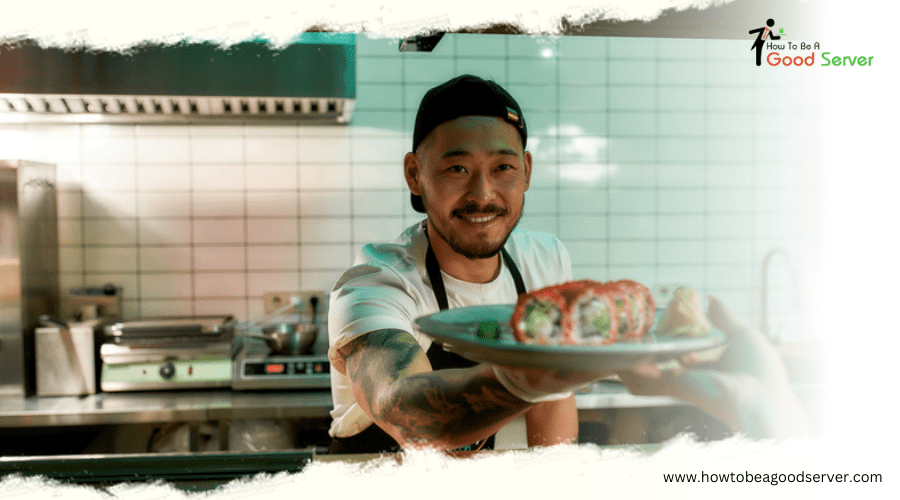
When we think of what makes a restaurant successful, the first things that usually come to mind are the quality of the food, the ambiance, and the service. But there’s an unsung hero in the restaurant world who often gets overlooked—the expeditor or expo. These behind-the-scenes stars are the ones who make sure that everything in the restaurant runs like a well-oiled machine, coordinating between the kitchen and the dining room to ensure that your food comes out exactly as it should.
So, what does an expeditor do, and why are they so important? Let’s take a closer look at this crucial role and how it directly impacts a restaurant’s success.
What Does an Expeditor Do?
Simply put, the expeditor is the middleman (or woman) between the kitchen and the front-of-house staff. They make sure everything moves smoothly from the kitchen to your table. Their main job is to manage orders—timing, accuracy, and quality control. But that’s just scratching the surface of what they do.
Expeditors communicate with both chefs and servers, ensuring that orders are completed properly and on time. They also check the presentation of dishes before they leave the kitchen, making sure everything looks as good as it tastes. In short, the expeditor is the person who ensures that your dining experience is flawless from start to finish.
Why Is Communication So Important?
Communication is key in a busy restaurant. Without it, chaos ensues. The kitchen might get overwhelmed with too many orders at once, and servers might not know when dishes are ready to be served. This is where the expeditor steps in as the main point of contact between the kitchen staff and the front-of-house team.
For example, let’s say a table has some specific dietary requests—like someone who needs gluten-free options. The server takes the order, but the expeditor makes sure the kitchen is aware of this, checks that the meal is prepared correctly, and ensures it gets to the right table without any hiccups.
Without this kind of clear, constant communication, mistakes are more likely to happen, leading to unhappy customers, wasted food, and even potential safety risks (think of food allergies). A good expeditor keeps everything running smoothly and avoids any miscommunication that could disrupt service.
Timing Is Everything
Picture this: you’re out for a nice dinner, and your appetizer arrives at the same time as your entrée, or worse, after you’ve finished your main course. It’s frustrating, right? Timing is one of the most crucial elements of a successful meal, and the expeditor is the one responsible for getting it just right.
An expeditor knows how long each dish takes to prepare and ensures that everything is ready at the perfect time. They ensure that appetizers, entrees, and desserts arrive at your table in the proper order without you having to wait too long or having food arrive cold.
During busy times, this job becomes even more critical. With multiple orders coming in at once, the kitchen can easily get overwhelmed. The expeditor’s role is to manage this chaos, coordinating the flow of orders so that every dish reaches its destination in perfect condition.
Keeping an Eye on Food Quality and Presentation
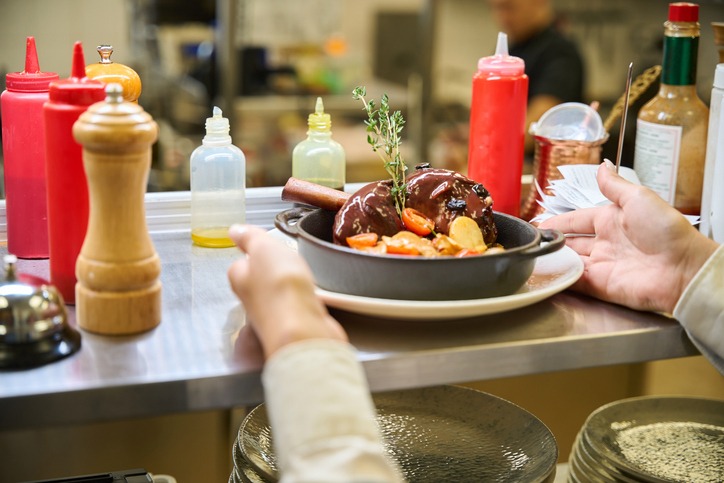
In addition to managing timing, an expeditor is also responsible for quality control. They’re the last person to see the food before it leaves the kitchen, so they make sure everything looks perfect. Whether you’re dining at a fine restaurant or a casual spot, presentation matters; it’s all part of the experience, and the expeditor ensures that the food not only tastes great but looks good, too.
This attention to detail extends beyond aesthetics. An expeditor checks to see that each dish is cooked properly, the portions are correct, and nothing is missing from the plate. If something’s off, they’ll send it back to the kitchen before it ever reaches the table. In many ways, they act as the final checkpoint to ensure the kitchen is putting out food that meets the restaurant’s standards.
Handling Special Requests and Dietary Restrictions
We live in a time where special dietary requests are common. Whether it’s food allergies, intolerances, or personal preferences, customers often have specific needs when they order. Handling these requests properly is not only about customer satisfaction but also about safety, especially when it comes to allergies.
Expeditors play a crucial role in making sure that these special requests are followed to the letter. For example, if someone orders a dish without dairy or gluten, the expeditor ensures that this instruction is communicated clearly to the kitchen staff. They also check to make sure that no mistakes are made before the dish leaves the kitchen.
This kind of attention to detail is crucial for making sure that every customer is happy, and in some cases, it can prevent potentially dangerous situations.
Enhancing the Customer Experience
Let’s be real—everyone wants a pleasant dining experience. But have you ever wondered what makes it so smooth when things go well? The expeditor is often the unsung hero behind a flawless meal service.
By managing the timing of dishes, communicating with servers, and ensuring food quality, expeditors help create a seamless dining experience. Their work directly impacts customer satisfaction, which in turn influences reviews, repeat business, and word-of-mouth recommendations. A restaurant that consistently delivers well-timed, high-quality food is more likely to earn loyal customers, and much of that success can be traced back to a skilled expeditor.
Happy customers mean good reviews, more return visits, and a stronger reputation for the restaurant. Expeditors make all of this possible by ensuring that every meal is served just right.
Preventing Mistakes and Reducing Food Waste
Mistakes happen in every restaurant, but a good expeditor minimizes them. Whether it’s a miscommunication between the server and the kitchen or an improperly prepared dish, the expeditor catches mistakes before they reach the customer.
For example, if an order for a medium-rare steak comes out well-done, the expeditor is the one who spots the error and ensures it’s fixed before the dish is sent to the table. This kind of oversight not only keeps customers happy but also reduces food waste. When mistakes are caught early, there’s less need to throw food away and start over. This saves time, money, and resources—all of which are crucial for a restaurant’s bottom line.
Adapting to Different Restaurant Styles
Not all restaurants are the same, and neither are the expeditor’s responsibilities. The role of an expeditor can vary greatly depending on the type of establishment. In a high-end restaurant, for example, the focus might be on perfect timing and presentation, while in a casual or fast-paced restaurant, the focus is on speed and efficiency.
In fine dining, the expeditor might be more involved in making sure that every dish is plated perfectly and served in the exact sequence. In contrast, in a busy, fast-casual spot, the expeditor needs to ensure that orders are moving out quickly to keep up with the demand. The best expeditors are adaptable and know how to adjust their approach based on the specific needs of the restaurant.
Expeditors and Customer Satisfaction
There’s no question that a well-run restaurant depends on customer satisfaction. After all, happy customers are more likely to return, leave positive reviews, and recommend the restaurant to others. But what many people don’t realize is just how much of that satisfaction depends on the work of the expeditor.
From ensuring the timing of dishes to maintaining food quality, the expeditor’s work directly impacts the overall dining experience. When everything runs smoothly, customers are more likely to have a positive experience, which boosts the restaurant’s reputation and success.
Conclusion
Expeditors are the backbone of any successful restaurant. They manage communication, timing, and food quality to ensure that every meal is served exactly as it should be. While they may not always be visible to diners, their work is crucial in making sure that the restaurant runs smoothly, efficiently, and successfully.
Next time you’re enjoying a perfectly timed, delicious meal at a restaurant, take a moment to appreciate the expeditor working behind the scenes to make it all happen. They truly are the unsung heroes of the dining experience!