Why Sous Chefs Play a Vital Role in Culinary Leadership
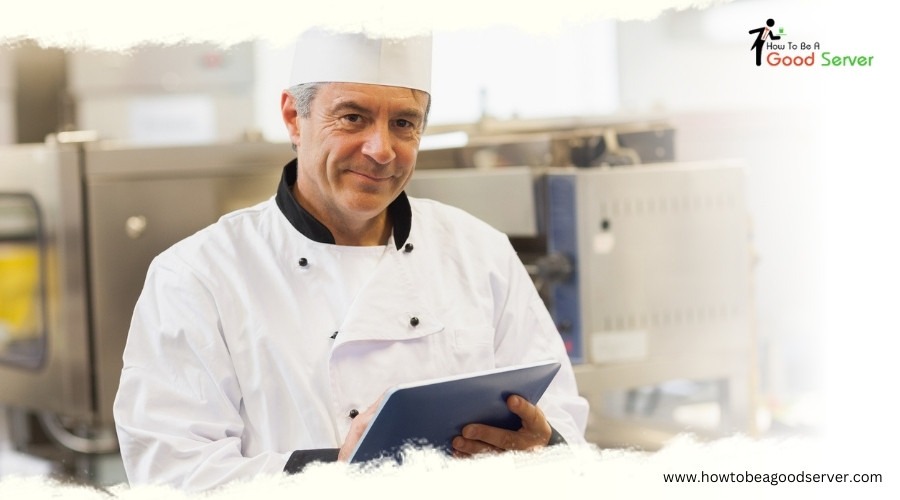
When you think about a restaurant kitchen, it's easy to picture the head chef in charge of everything. But if you've ever worked in or even just peeked into a busy kitchen, you'll quickly realize there's someone just as crucial keeping the wheels turning: the sous chef. The head chef might get the credit for the menu and overall vision, but it's the sous chef who makes sure that vision comes to life, day in and day out.
So, what exactly does a sous chef do? And why are they so important to the smooth running of a kitchen? Let's break it down and explore how they balance leadership, creativity, and all the day-to-day tasks that make them indispensable in the culinary world.
Sous Chef: The Head Chef's Right Hand

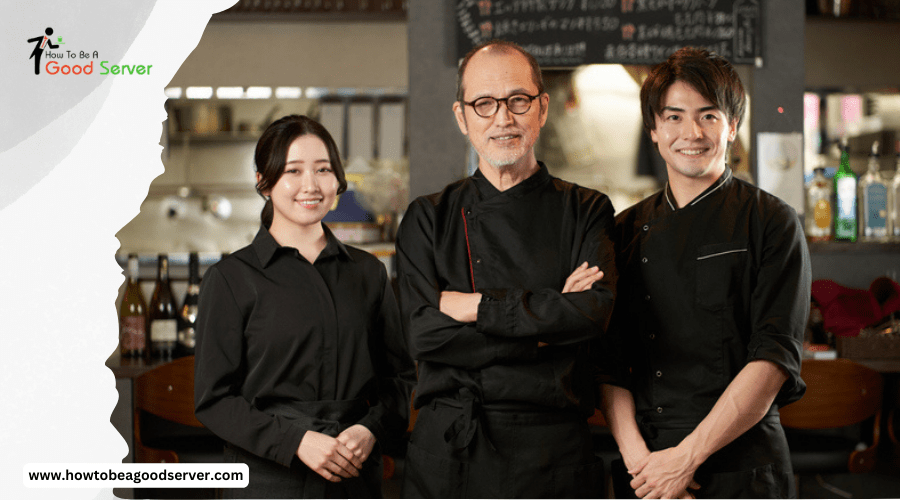
If the head chef is the director of the kitchen, the sous chef is like the assistant director – the one who makes sure the team is in sync, everything is organized, and the vision is executed perfectly. The sous chef is essentially the head chef's right hand. They're responsible for taking the head chef's ideas and ensuring they become a reality, making sure the kitchen runs smoothly, even on the busiest nights.
In practical terms, this means overseeing food preparation, ensuring every dish is made to the restaurant's standards, and stepping in when the head chef is tied up with other tasks. The sous chef knows every aspect of the kitchen like the back of their hand. Whether it's ensuring ingredients are prepped correctly or making sure the final plating is up to par, they're involved in the entire process.
Managing the Kitchen Staff
A well-functioning kitchen requires more than just great recipes; it needs a well-organized and cohesive team. And that's where the sous chef shines. They're responsible for managing the kitchen staff, making sure everyone knows their role, and keeping things running smoothly, especially during those hectic dinner rushes.
Sous chefs are often the ones who train new staff, teaching them the ropes and ensuring they understand the restaurant's standards. They're also in charge of scheduling, making sure there's enough coverage during busy times and that no one's being overworked. A good sous chef knows how to balance efficiency with morale, keeping the team motivated and on track even when things get stressful.
And, let's face it, kitchens can be stressful environments. It's up to the sous chef to step in when tensions run high, smoothing over conflicts and keeping the team focused on what matters: putting out great food. Their ability to maintain a positive work environment is key to keeping everyone happy and productive.
Ensuring Consistency on Every Plate

One of the most important roles of a sous chef is quality control. In a restaurant, consistency is everything. Customers come back because they know what to expect – their favorite dish, cooked perfectly every time. The sous chef is the one making sure that happens.
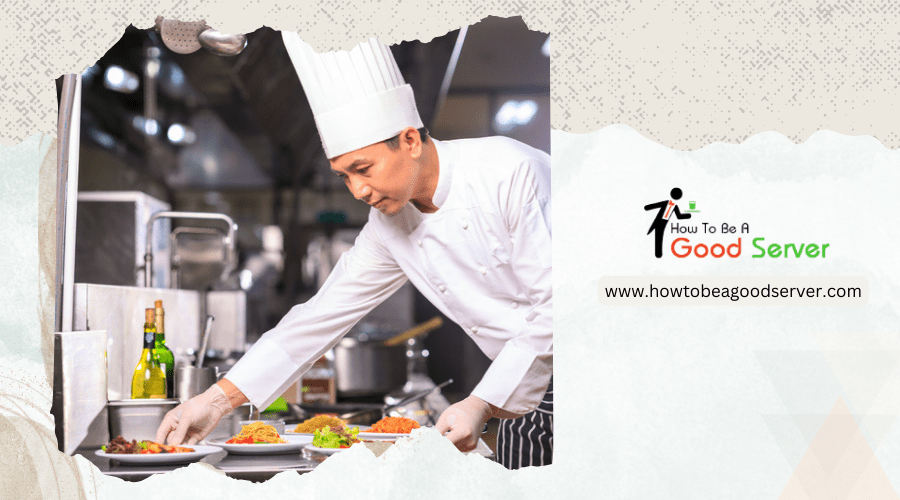
They oversee food preparation, checking that each dish meets the restaurant's standards before it reaches the customer. From monitoring how ingredients are prepped to ensuring that every plate looks just right, the sous chef is responsible for maintaining the quality the restaurant is known for. And during a busy service, when things can easily go awry, their attention to detail makes all the difference.
Another critical aspect of their job is ensuring that health and safety standards are met. This means making sure all food is handled properly, temperatures are monitored, and cleanliness is maintained. A restaurant's reputation hinges not only on the quality of its food but also on its ability to keep customers safe, and the sous chef plays a huge part in that.
Handling Inventory and Supplies
Beyond managing people and food, sous chefs are also responsible for keeping the kitchen stocked and running smoothly logistically. This involves managing inventory—making sure there are enough ingredients on hand for the day's service without over-ordering and causing waste.
Inventory management is more than just keeping track of what's in the fridge. It's about ensuring ingredients are fresh, organizing stock so that nothing goes to waste, and making sure the kitchen doesn't run out of anything critical in the middle of a busy service. A well-organized sous chef will know exactly when to reorder supplies, keeping things running smoothly without going over budget.
They also work closely with vendors to secure the best products, often negotiating prices to make sure the restaurant is getting high-quality ingredients at a reasonable cost. This blend of logistical know-how and culinary insight makes the sous chef indispensable to the business side of the kitchen, as well as the creative side.
Solving Problems in Real-Time
Let's be honest – no matter how well you plan, things can and do go wrong in a kitchen. Maybe a key piece of equipment breaks down right in the middle of service, or there's an unexpected surge of customers. Whatever the issue, it's usually the sous chef who steps in to handle it.
A great sous chef can think on their feet, solving problems as they arise without letting the rest of the kitchen fall apart. Whether it's figuring out a quick fix for a broken oven or finding a substitute ingredient when something runs out, the sous chef is always ready to adapt. Their ability to stay calm under pressure and make quick decisions is part of what makes them so valuable.
When everything is running smoothly, it's easy to overlook the work that goes into keeping it that way. But when things start to go sideways, the sous chef's quick thinking and problem-solving skills can save the day.
Bringing Menus to Life
While the head chef typically takes the lead on creating a restaurant's menu, the sous chef plays a huge role in making that menu come to life. They're often involved in the creative process, helping to develop new dishes, refine recipes, and ensure that everything on the menu is not only delicious but also practical to execute during service.
Sous chefs bring a wealth of experience and knowledge to the table, contributing ideas on ingredients, flavors, and presentation. They often experiment with new recipes alongside the head chef, making sure they're not only innovative but also feasible in the fast-paced environment of a restaurant kitchen.
In many kitchens, the sous chef is the go-to person for ensuring that the menu is consistent and executable, meaning they'll test dishes, tweak techniques, and figure out the best way to train the staff to produce the menu items perfectly every time. It's a balance of creativity and practicality, and the sous chef's input is invaluable in this process.
Mentoring

One of the most rewarding parts of being a sous chef is the opportunity to mentor up-and-coming chefs. In a way, sous chefs are not just leading the kitchen – they're also helping to shape the future of the culinary industry. By training and guiding junior chefs, sous chefs play a crucial role in developing the next generation of kitchen leaders.
This mentorship goes beyond just teaching cooking techniques. It's about instilling a work ethic, showing how to manage time, people, and stress, and passing on the knowledge that's gained from years of experience in the kitchen. A sous chef is often the person junior chefs look up to, learning not only how to cook but how to lead.
For the sous chefs themselves, this mentorship experience is also an important stepping stone. Many sous chefs are on a path to becoming head chefs, and the leadership skills they develop while mentoring others are critical to their growth.
Conclusion
At the end of the day, a sous chef is the glue that holds the kitchen together. They manage the staff, oversee food preparation, handle inventory, and solve problems – all while ensuring that every dish that leaves the kitchen meets the restaurant's high standards. Their role is challenging, often stressful, but also incredibly rewarding.
While they may not always get the same recognition as the head chef, it's hard to imagine a successful kitchen without a great sous chef. They're the ones keeping the team motivated, the food consistent, and the operations running smoothly in every service, every day.
Related posts