How Food Tourism Changed Restaurant Service and Guest Expectations
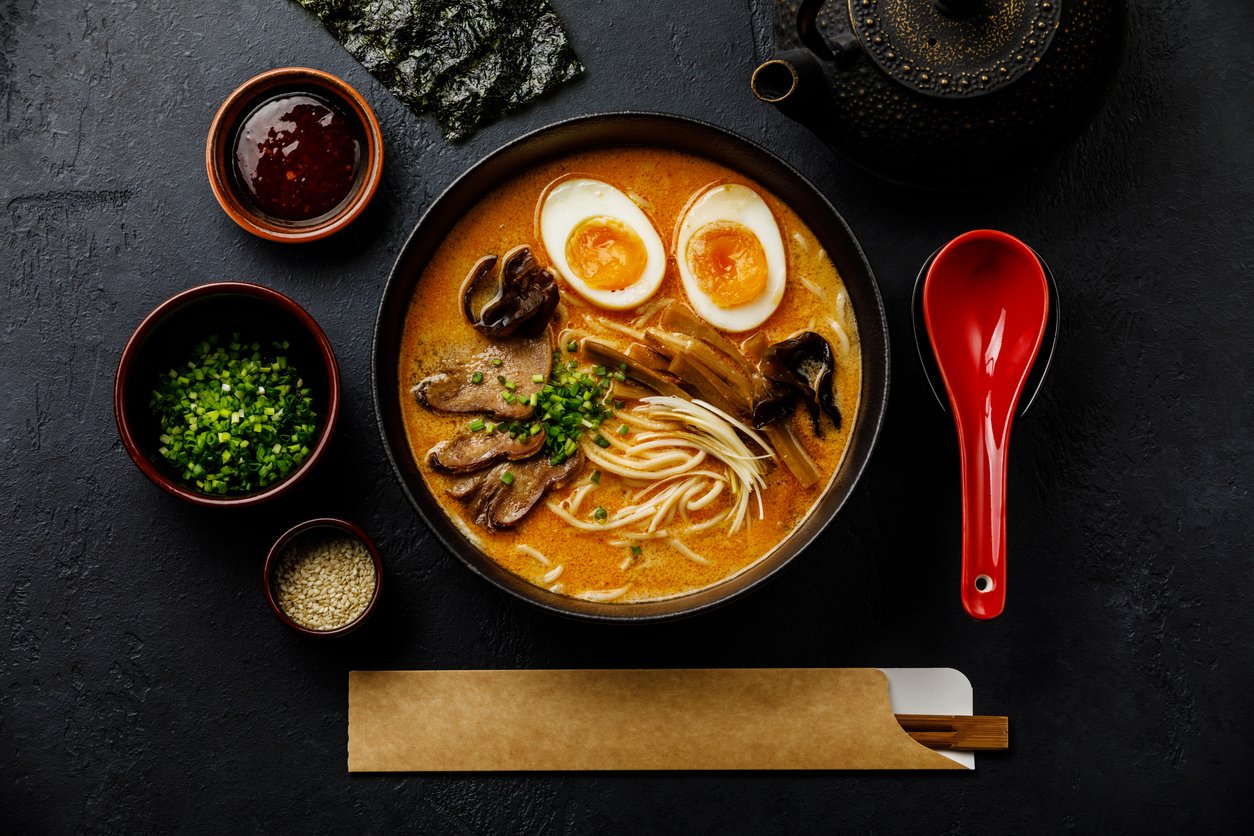
Food has become one of the biggest reasons people choose where to travel. Instead of treating meals as simple breaks between sightseeing, many travelers now plan entire itineraries around famous restaurants, neighborhood cafés, street food markets, wineries, and regional specialties. Whether it's searching for authentic ramen in Japan, barbecue in Texas, or pasta in Italy, dining has become an essential part of experiencing a destination's culture. This shift has transformed restaurants as well. Today's guests want more than delicious food—they want memorable experiences that reflect local traditions, tell meaningful stories, and create lasting memories worth sharing with others. Streaming food shows, celebrity chefs, travel influencers, and social media have all raised expectations, encouraging restaurants to think beyond their menus and focus on hospitality, authenticity, and cultural connection.
How Food Tourism Redefined What Restaurants Are Expected to Deliver
Food tourism has fundamentally changed what restaurants must deliver, pushing them well beyond their traditional role as places to simply eat. Today's food tourists aren't just hungry—they're curious. They want meals that reflect local identity, tell a cultural story, and demonstrate a genuine connection to place. Dining has become an opportunity to experience a destination through its ingredients, traditions, and people. That means restaurants are expected to go further than preparing excellent food. Guests increasingly want to know where ingredients come from, how recipes represent regional traditions, and whether businesses support nearby farms, fisheries, bakeries, and artisan producers. Menus that simply list dishes without offering any context often feel less memorable than those that introduce the stories behind the food. The restaurant itself has also become part of the attraction. Interior design, music, hospitality, and knowledgeable staff contribute to an experience that visitors remember long after the meal has ended. For many travelers, the overall atmosphere matters just as much as the flavors served on the plate.
What Food Tourists Are Actually Looking for When They Dine Out
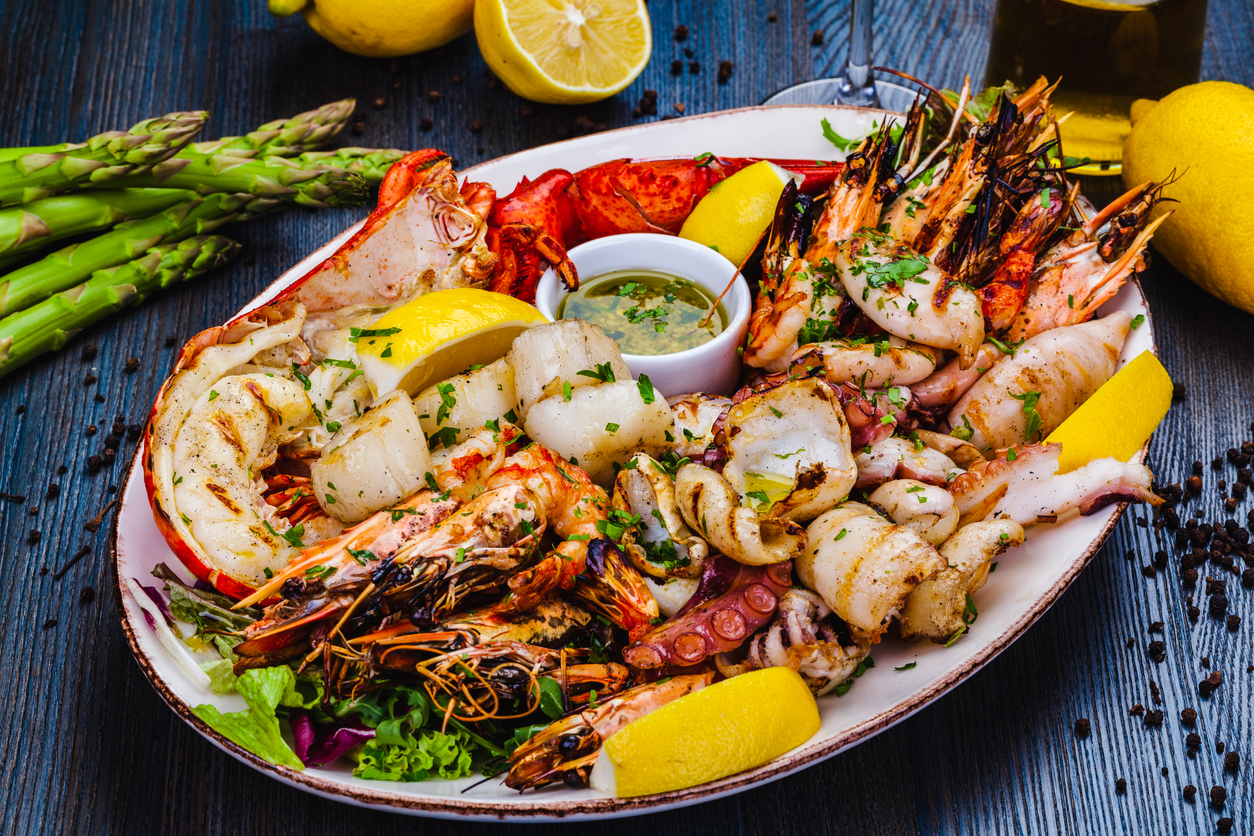
Understanding modern food tourists begins with recognizing that they're searching for experiences rather than simply satisfying hunger. Many guests want to understand the story behind a dish just as much as they want to enjoy its flavors. Their growing interest in food tourism and dining culture has made authenticity, regional traditions, and meaningful storytelling just as important as the quality of the meal itself. Presentation also influences how travelers remember a meal. Beautiful plating, inviting aromas, thoughtful service, and the surrounding atmosphere all contribute to the overall experience. Staff members who confidently explain regional specialties, cooking methods, or ingredient choices help transform a meal into something educational as well as enjoyable. Travelers also value consistency. Fresh ingredients, fair pricing, welcoming service, and authentic preparation all contribute to positive experiences that guests recommend to others. While every traveler has different tastes, most food tourists are ultimately searching for restaurants that reflect the unique character of the place they're visiting rather than offering the same menu they could find anywhere else.
Why Food Tourism Demands Local Menus and Authentic Ingredients
One of the clearest changes brought about by food tourism is the growing demand for local ingredients and regional specialties. Travelers rarely visit a destination hoping to eat familiar dishes that could be found back home. Instead, they want to taste the foods that define a particular city, region, or country, making ingredient selection one of the most important ways restaurants can express local identity. Restaurants increasingly highlight nearby farms, fisheries, vineyards, cheesemakers, and artisan producers directly on their menus. This transparency helps guests understand where their food comes from while reinforcing a restaurant's commitment to supporting the local community. Seasonal menus also demonstrate that ingredients are chosen based on quality and availability rather than convenience. Smaller, carefully curated menus often tell this story more effectively than lengthy lists of unrelated dishes. By focusing on regional ingredients and traditional cooking techniques, restaurants create memorable experiences that distinguish them from chain establishments. When visitors leave feeling they have genuinely tasted the destination, they're far more likely to recommend the experience to future travelers.

Celebrity Chefs and Food Shows Changed Guest Expectations
The popularity of celebrity chefs and streaming food programs has dramatically changed what diners expect when they travel. Viewers no longer watch cooking shows simply to learn recipes—they watch them to discover cultures, traditions, and destinations through food. Programs such as Chef's Table, Somebody Feed Phil, Parts Unknown, and Stanley Tucci: Searching for Italy have introduced audiences to local cuisines while highlighting the stories behind the people who prepare them. These shows have encouraged travelers to ask more thoughtful questions during meals. Guests are increasingly interested in regional cooking techniques, family recipes, seasonal ingredients, and the cultural significance of signature dishes. Rather than simply ordering the most popular item on the menu, many visitors want to understand what makes a meal unique to that destination and why local communities value it. Celebrity chefs have also elevated expectations for hospitality and presentation. Diners now expect restaurants to provide not only excellent food but also memorable storytelling, attentive service, and an atmosphere that reflects the local culture. Restaurants that successfully combine these elements create experiences that feel authentic rather than staged, leaving guests with memories that extend well beyond the meal itself.
Why Atmosphere Is Now Part of the Food Tourism Product
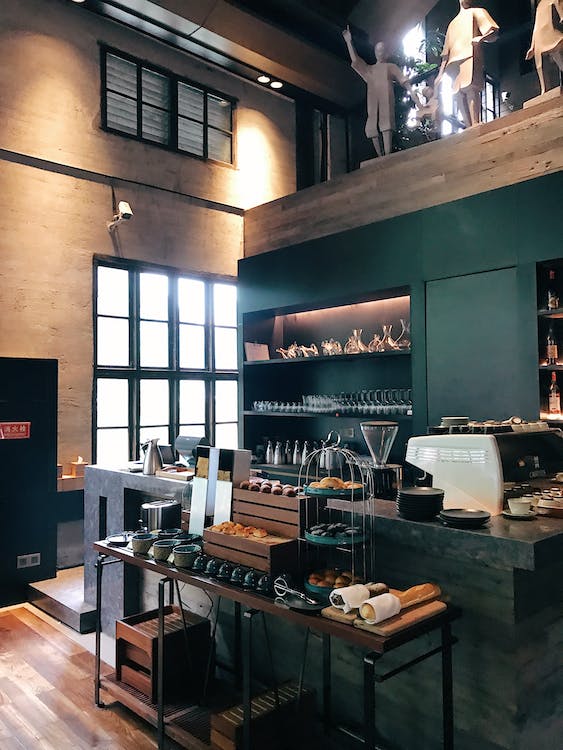
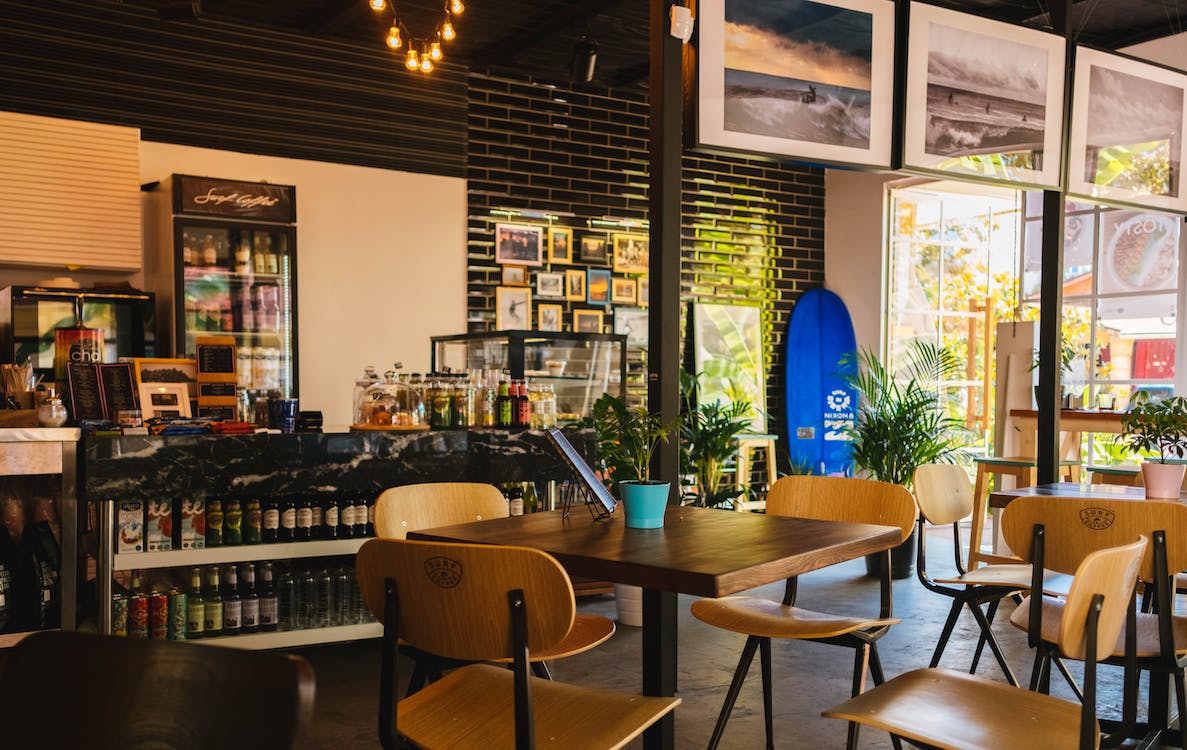
Food tourists aren't evaluating food alone—they're experiencing the entire environment surrounding the meal. Interior design, lighting, music, table settings, architecture, and even the surrounding neighborhood all contribute to how guests remember a restaurant. A thoughtfully designed dining room reinforces the story the menu is trying to tell and helps visitors feel connected to the destination. Many restaurants now incorporate local materials, artwork, handcrafted décor, and regional design influences into their interiors. These details help create a stronger sense of place, allowing guests to feel immersed in the local culture from the moment they arrive. Outdoor seating with scenic views or historic buildings can further enhance that experience by connecting the meal with its surroundings. The atmosphere also influences how people share their experiences afterward. Beautiful dining spaces encourage photography and conversation, making restaurants more memorable both in person and online. When the environment complements the cuisine, visitors often leave feeling they've experienced something unique rather than simply eaten another meal.
How Staff Knowledge Shapes the Food Tourism Experience
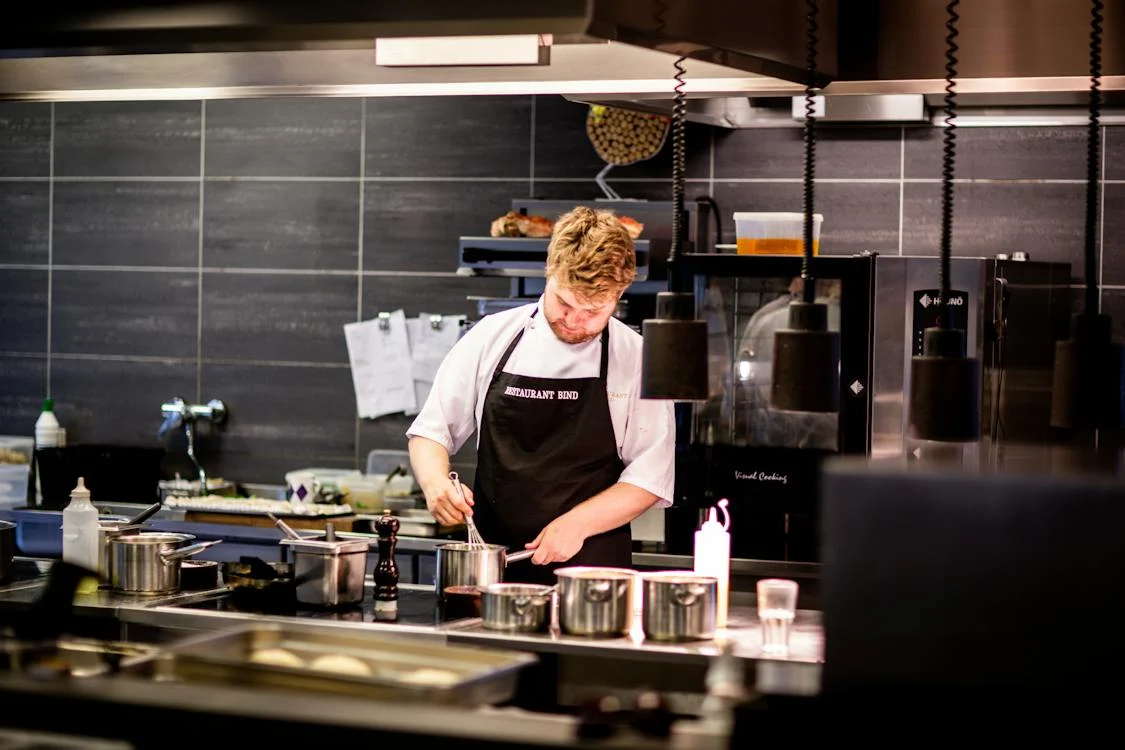
A beautiful restaurant and carefully prepared menu can only go so far without knowledgeable staff to bring the experience to life. Food tourists often have questions about ingredients, cooking techniques, local traditions, and regional specialties. Employees who can answer those questions confidently help transform a meal into an engaging cultural experience. Staff knowledge extends far beyond taking orders correctly. Guests appreciate learning about nearby farms, family-owned suppliers, seasonal ingredients, traditional preparation methods, and recommended pairings with regional beverages. These conversations create opportunities for visitors to better understand the destination through its cuisine while making the dining experience feel more personal. Language skills also play an increasingly important role in welcoming international travelers. Servers who communicate clearly, explain unfamiliar dishes patiently, and make thoughtful recommendations help guests feel comfortable exploring foods they may never have tried before. That confidence often leads to stronger reviews, repeat visits, and enthusiastic word-of-mouth recommendations.
Why Service Quality Now Defines the Food Tourism Experience
Excellent service has become one of the defining characteristics of successful food tourism. Travelers often remember how they were treated just as vividly as they remember the food itself. Warm hospitality, attentive timing, genuine enthusiasm, and thoughtful recommendations all contribute to creating positive dining experiences that guests associate with the destination as a whole. Restaurants increasingly invest in service training because modern diners expect staff to anticipate needs rather than simply respond to requests. Greeting guests warmly, explaining menu items clearly, accommodating dietary preferences, and maintaining consistent communication throughout the meal all demonstrate professionalism that enhances the overall experience. Strong service also helps restaurants recover gracefully when unexpected challenges arise. Delays, unavailable menu items, or simple mistakes become far less damaging when handled with honesty, empathy, and effective communication. In food tourism, memorable hospitality often turns minor inconveniences into examples of excellent customer care, reinforcing a restaurant's reputation long after visitors have returned home.
How Social Media Turned Restaurants Into Travel Destinations
Social media has become one of the most powerful forces shaping food tourism. Platforms like Instagram, TikTok, YouTube, and Facebook allow restaurants to reach global audiences through photos, short videos, and recommendations shared by travelers, food creators, and local influencers. A single viral post can introduce thousands of people to a small café, family-owned restaurant, or neighborhood food stall that might otherwise remain unknown outside its community. Travelers now frequently research restaurants through social media before they ever arrive at a destination. They look for signature dishes, customer reviews, dining room atmosphere, and videos showing the overall experience. Popular hashtags, location tags, and creator recommendations often become part of trip planning, with many visitors adding restaurants to their itineraries after discovering them online rather than through traditional travel guides. This visibility has encouraged restaurants to think carefully about every aspect of the guest experience. Attractive presentation, welcoming interiors, memorable service, and distinctive local specialties all contribute to content that visitors are excited to photograph and share. Social media doesn't replace excellent hospitality, but it helps exceptional dining experiences reach audiences far beyond the local community.
How a Strong Dining Experience Drives Reviews and Repeat Visits
Every memorable dining experience has the potential to generate something far more valuable than a single sale. Satisfied guests often become enthusiastic ambassadors who recommend restaurants through online reviews, travel blogs, social media posts, and conversations with friends and family. Positive word-of-mouth has become one of the most effective forms of marketing in today's travel industry. Several factors consistently encourage visitors to return. Reliable food quality builds trust, while authentic regional dishes give travelers a reason to recommend the restaurant to others seeking local experiences. Friendly, knowledgeable staff strengthen those memories by providing genuine hospitality, and an inviting atmosphere makes the entire visit feel distinctive rather than routine. Repeat customers also create long-term value beyond tourism. Visitors who return to a destination often revisit restaurants where they felt welcomed, while local residents continue supporting businesses that maintain high standards year-round. By consistently delivering memorable experiences, restaurants strengthen both their own reputation and the reputation of the destinations they represent.
Conclusion
Food tourism has transformed restaurants from places that simply serve meals into destinations where culture, hospitality, and storytelling come together. Travelers now expect to experience local traditions through regional ingredients, knowledgeable staff, welcoming atmospheres, and authentic menus that reflect the identity of the communities they are visiting. Television, celebrity chefs, travel programs, and social media have all helped shape these changing expectations, inspiring people to plan trips around memorable culinary experiences. As a result, restaurants that combine excellent food with genuine hospitality, thoughtful storytelling, and a strong sense of place are often the ones that leave the most lasting impressions.