How to Calculate Tips Quickly: A Practical Guide for Servers and Diners
Tipping has become an everyday part of restaurant culture in many places around the world. From casual coffee shops to fine dining establishments, diners often use gratuities to recognize friendly, attentive, and efficient service. As digital payments have become more common, tipping has become faster than ever, but knowing a few simple shortcuts still saves time and prevents mistakes. Fortunately, you don't need to be good at math to calculate tips confidently. A handful of easy techniques can help you estimate percentages in seconds, split bills with friends, and avoid awkward moments at the end of a meal. Once you understand the basics, tipping becomes a quick and stress-free part of dining out.
Round the Bill First to Simplify Every Calculation
One of the easiest ways to speed up tip calculations is to round your bill before doing any math. If your total comes to $48.65, treating it as $49 or even $50 makes percentage calculations much easier. The small difference rarely changes the final amount by much, but it saves valuable time when you're trying to leave the restaurant. Rounding also helps in practical situations. When paying with cash, using whole numbers reduces the need to count coins or small bills. If you're paying by card, rounding gives you a clean number that's easier to multiply mentally. Many experienced diners automatically round up because it simplifies the calculation while slightly benefiting the server. The goal isn't perfect mathematical precision but a fair and convenient estimate. Starting with a whole number keeps the process simple and allows you to focus more on enjoying your meal than worrying about complicated calculations.
The 10%, 15%, and 20% Methods You Can Do in Seconds
Three quick mental tip methods cover almost every tipping situation you'll face at a restaurant. Percentage anchors around 10%, 15%, and 20% keep the math simple and fast.
- 10% method: Move the decimal one place left. On a $46 bill, that's $4.60.
- 15% method: Find 10%, then add half that amount. On $46, add $4.60 plus $2.30 to get $6.90.
- 20% method: Double your 10% figure. On $46, double $4.60 to get $9.20.
These three anchors handle light, standard, and generous tipping without a calculator. If you're dealing with a larger bill, splitting costs with a group, or simply want to double-check your math, a gratuity calculator can provide a fast and accurate estimate in seconds. Once you've rounded your bill first, each method takes only a few seconds. Pick the percentage that reflects the quality of service you received, and you'll be able to leave a fair tip quickly and confidently.
Why Tipping Became Part of Modern Dining Culture
Tipping has become closely connected with the overall dining experience rather than simply serving as an optional extra. In many restaurants, gratuities are viewed as a way for customers to acknowledge attentive service, friendly interactions, and the effort that goes into creating an enjoyable meal. While tipping customs vary from country to country, understanding local expectations helps diners feel more confident when eating out or traveling. Restaurant culture has also evolved alongside changing customer expectations. Diners now value not only the quality of the food but also the hospitality they receive from servers, bartenders, and other staff members. A thoughtful tip recognizes those contributions and reflects appreciation for the people who help make a meal memorable. This culture of appreciation extends beyond traditional restaurants. Coffee shops, food delivery services, hotel dining, and guided food tours often include tipping as part of the overall experience. Learning quick calculation methods allows you to focus less on the numbers and more on enjoying the occasion.
Use Your Receipt to Calculate Tips Without Doing the Math
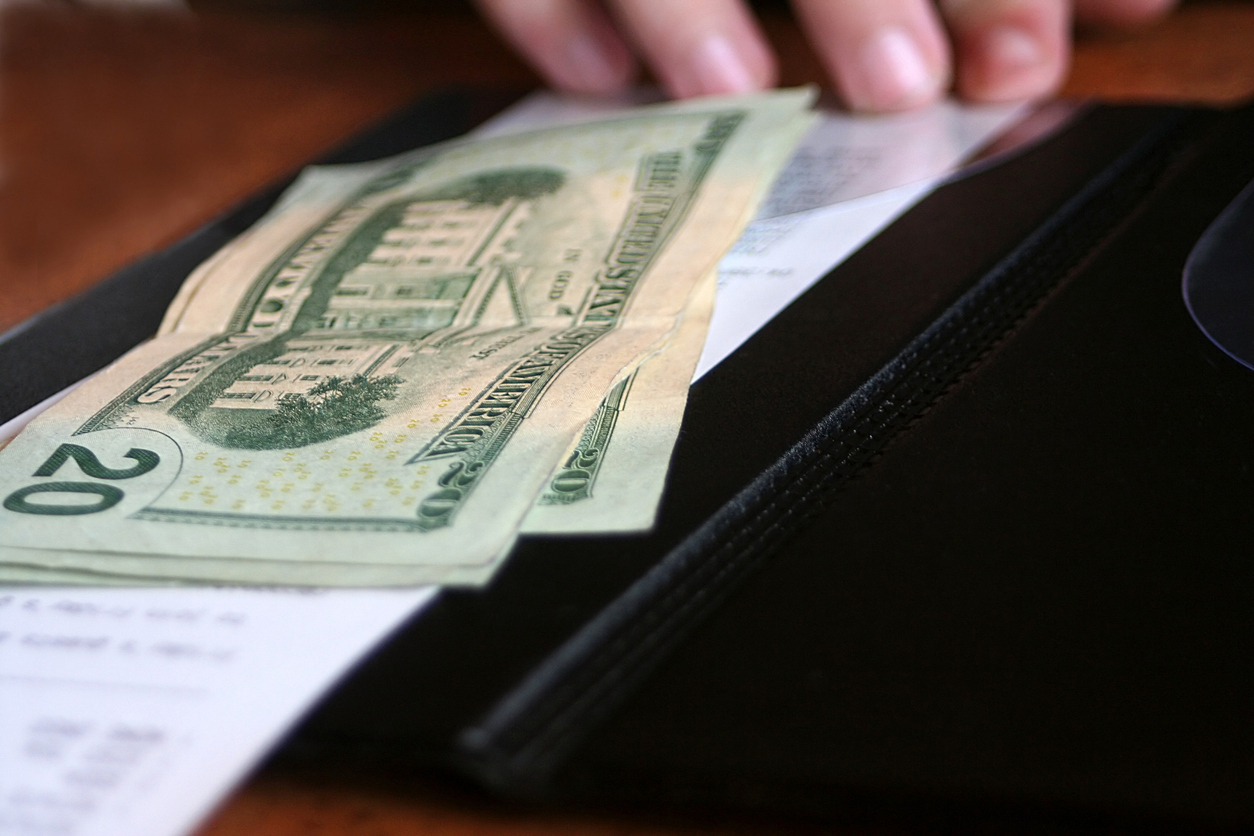
Your receipt can do much of the work for you if you know where to look. Many restaurants already print suggested tip amounts based on common percentages, allowing you to choose an amount without performing any calculations yourself. Taking a few seconds to check these recommendations can make paying faster, especially when you're dining with a group. If suggested tips aren't listed, the receipt still provides useful information. Many diners use the tax amount as a quick reference point because doubling it can often produce a reasonable tip estimate, depending on the local tax rate. Others prefer calculating from the pre-tax subtotal if they want to tip only on the cost of the meal and drinks. Before adding anything, always check whether a gratuity or service charge has already been included. Restaurants often apply automatic gratuities for larger groups, and overlooking that detail could result in tipping twice. Spending a moment reviewing the receipt helps you avoid unnecessary confusion while ensuring your final payment accurately reflects your intentions.
How to Calculate Tips Quickly on Large and Small Bills
Bill size changes how you apply the same core shortcuts. On small bills, rounding up makes a bigger proportional difference, so leaning toward a 20% tip is often a simple and generous approach. On larger bills, even a small percentage change can significantly affect the final amount, making a more careful calculation worthwhile. Here's how to adjust your approach by bill size:
- Small bills (under $20): Round up and tip at least 20%, since adding an extra dollar or two makes only a small difference to your total.
- Large bills ($100+): Use the 10% anchor first, then build up to 15% or 20% by doubling or adding half of the 10% amount.
- Split payments: Calculate the tip on the full pre-tax total first, then divide it evenly so everyone contributes fairly.
These simple adjustments help you stay consistent regardless of the bill size. Whether you're grabbing a quick coffee, celebrating a special occasion, or dining with a large group, using the same basic methods keeps tipping fast, fair, and stress-free.
How to Calculate Tips Quickly on Large and Small Bills
The size of your bill can affect the easiest way to calculate a tip. For smaller checks, rounding up usually makes the process faster and results in only a minor difference. Leaving an extra dollar or two on a modest bill is often appreciated and keeps you from spending time calculating exact percentages. Larger restaurant bills benefit from a more careful approach because even a small percentage difference can significantly change the final tip. Starting with the 10% calculation and then building up to 15% or 20% keeps the math manageable. If several people are sharing the bill, calculate the total tip first before dividing it evenly among everyone paying. This method works well for family dinners, celebrations, business lunches, and group outings where multiple people contribute. A few simple calculations ensure everyone pays a fair share while making sure the server receives an appropriate gratuity based on the complete bill.
How Digital Payments Changed the Way People Tip
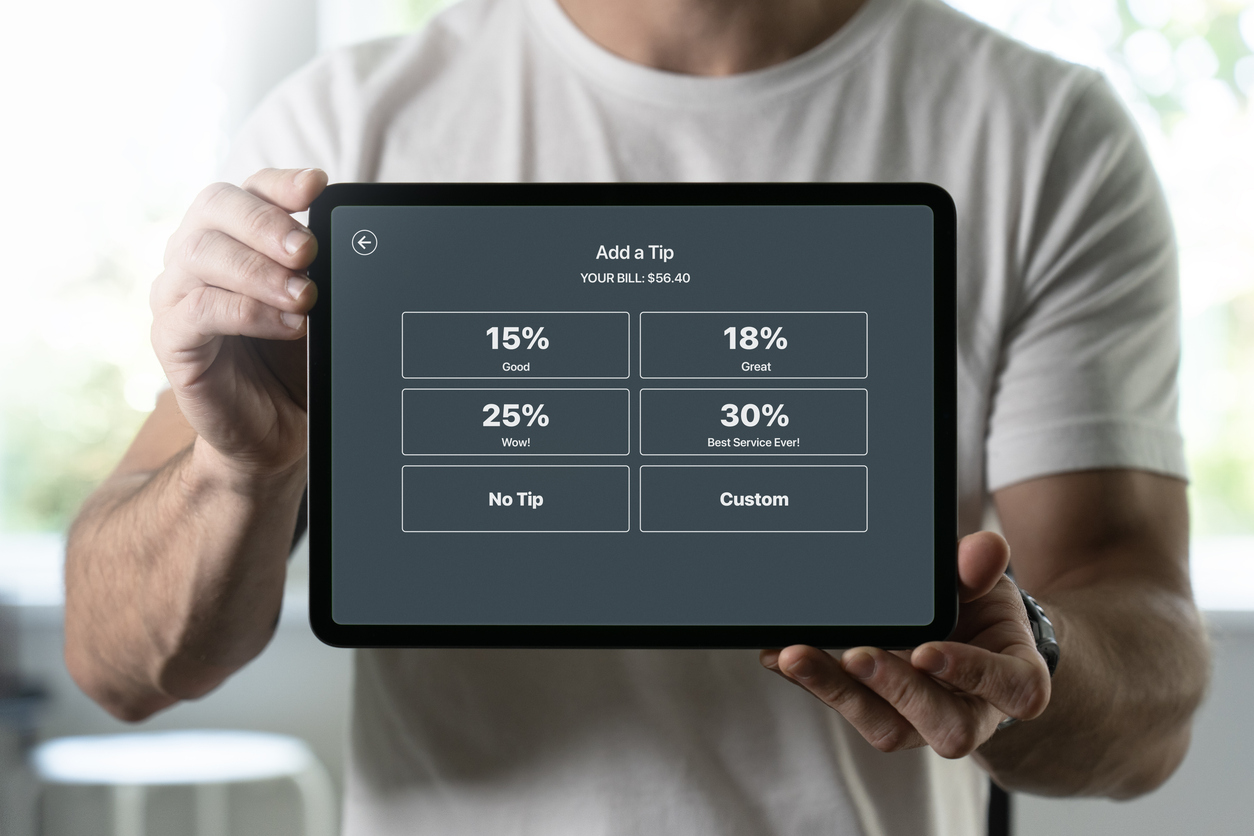
Technology has made tipping faster and more convenient than ever before. Many restaurants now use payment terminals that display preset tip percentages, while mobile wallets and QR-code payment systems allow diners to add gratuities with a single tap. These built-in options remove much of the mental math that was once part of paying the bill. Digital payments have also expanded tipping beyond traditional restaurants. Coffee shops, bakeries, food trucks, rideshare services, and food delivery apps frequently include suggested gratuities during checkout. Because customers encounter tipping in so many different settings, understanding basic percentages helps them decide whether the suggested amount matches the service they received. Even with these digital tools, knowing how to estimate a tip remains valuable. Suggested percentages may not always fit every situation, and travelers often encounter different customs depending on where they dine. Understanding the basics allows you to adjust confidently instead of relying entirely on automated recommendations.
When a Service Charge Is Already Built Into Your Check
Before calculating a tip, take a careful look at your receipt to see whether the restaurant has already included a service charge or automatic gratuity. This is especially common for larger parties, banquet events, cruise dining, and some upscale restaurants. Labels such as "Gratuity Included," "Service Charge," or "Auto Gratuity" usually indicate that part of the tip has already been added to the total. Not every service charge works the same way, however. In some establishments, the entire amount goes directly to servers, while in others, it helps cover broader operating costs. If you're unsure how the charge is distributed, politely asking your server or checking the restaurant's policy can provide clarity before adding anything extra. Many diners still choose to leave a small additional amount after exceptional service, even when gratuity has already been included. While this is entirely optional, understanding what's already on the bill helps you avoid accidentally paying twice while still rewarding outstanding hospitality if you wish.
Common Tipping Mistakes Diners Should Avoid
Even people who are comfortable calculating percentages occasionally make simple tipping mistakes. One of the most common is overlooking an automatic gratuity that's already been added to the bill, especially when dining with larger groups. Taking a moment to read the receipt carefully can prevent accidentally tipping twice while still allowing you to reward exceptional service if you choose. Another frequent mistake happens when splitting the bill. Some diners calculate the tip only on their own portion without considering shared appetizers, desserts, or drinks. A better approach is to calculate the total gratuity first and then divide it fairly among everyone at the table. This keeps the payment process simple while ensuring the server receives an appropriate tip for the entire meal. It's also helpful to remember that tipping practices vary depending on the situation. Coffee shops, bars, food delivery services, hotels, and restaurants may all have different expectations, particularly when traveling internationally. Understanding local customs alongside basic calculation methods helps you tip confidently without second-guessing your decision.
Conclusion
Modern dining has made tipping easier through digital payment systems, suggested gratuities, and mobile apps. Even so, knowing how to estimate a tip yourself remains a valuable skill because it allows you to adjust the amount based on the quality of service and the situation. Whether you're grabbing coffee, enjoying dinner with friends, or traveling somewhere new, these techniques help you stay prepared. Ultimately, tipping is more than about numbers—it's a simple way to recognize good service and show appreciation for the people who help create an enjoyable dining experience. With a few practical shortcuts and an understanding of common etiquette, you can handle restaurant bills confidently and focus on what matters most: enjoying good food and good company.