Pro Tips for Bussers to Improve Speed and Efficiency
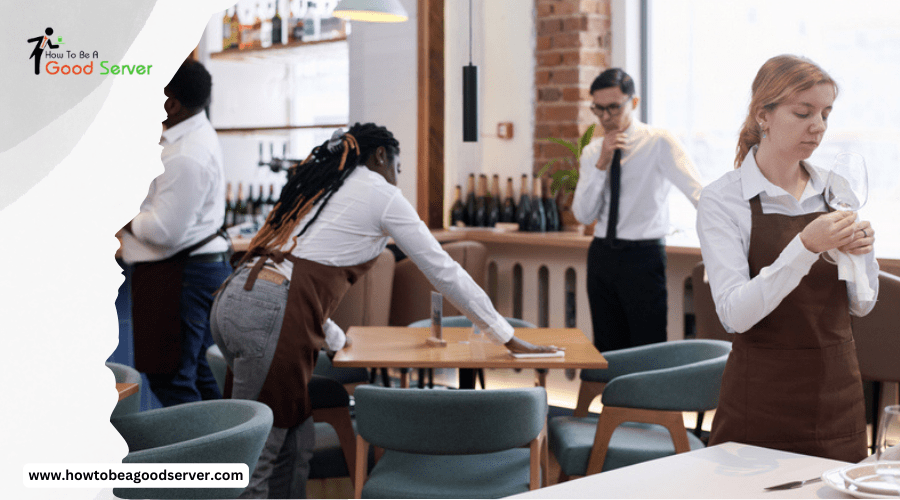
Being a busser might not be the most glamorous job in the restaurant, but it’s one of the most important. A busser’s role is all about keeping the restaurant running smoothly—clearing tables, resetting them for the next group, and assisting servers to make sure everything flows without a hitch. If you’ve ever worked in a busy restaurant, you know that speed and efficiency are key. The faster and more effectively you can clear a table and get it ready for the next guests, the better the dining experience for everyone.
But how do you improve your speed and efficiency as a busser? It’s not just about rushing through tasks. It’s about working smarter, not harder, and finding ways to maximize your time and effort. In this guide, we’ll go over some practical tips to help you step up your game. Whether you’re new to the job or have been bussing tables for a while, there’s always room for improvement. Let’s dive into the details.
1. Understand Your Role
Before you can be efficient, it’s important to know what’s expected of you. As a busser, you’re not just there to clear tables. You’re a key part of the team that makes the dining experience enjoyable for guests. Your job is to keep the dining area clean, assist the servers when needed, and make sure everything is ready for the next group of customers as quickly as possible.
One of the main responsibilities is to ensure fast table turnover. The sooner a table is cleared, the sooner the next guests can be seated, and the smoother everything flows. But there’s more to it than that. You also help create a positive atmosphere by keeping the dining area neat and presentable. And by pre-bussing—clearing plates and glasses before the guests leave—you’re helping servers stay on top of things, making their job easier and speeding up service overall.
Understanding your role is the first step toward improving your efficiency. Once you’ve got a handle on what you’re supposed to do, you can start finding ways to do it better.
2. Stay Organized
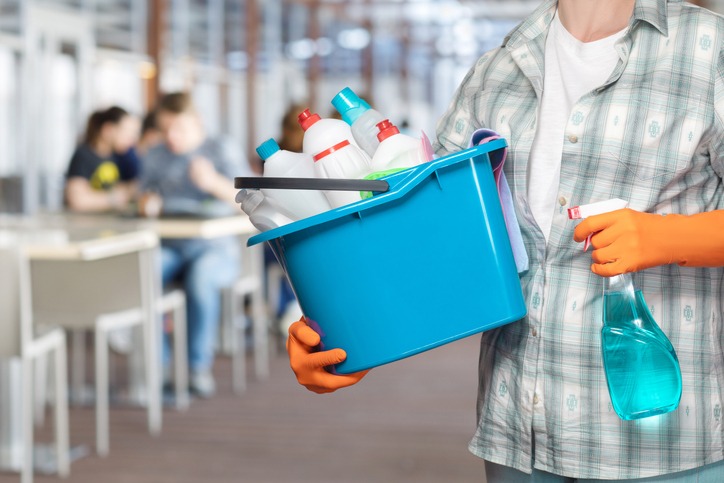
One of the biggest time-wasters in any job is searching for the tools you need. If you’ve ever had to run back and forth to the supply room because you forgot a clean towel or an extra bus tub, you know how frustrating it can be. That’s why staying organized is so important.
Make sure your busser station is always stocked with everything you’ll need during your shift. This includes clean towels, bus tubs, and any cleaning solutions. Keep things organized so you can grab them quickly when you need them. The less time you spend searching for supplies, the more time you can spend clearing tables and keeping things moving.
Having a clean and well-organized workstation isn’t just about speed. It’s also about reducing stress. When everything is in its place, you’ll feel more in control and ready to handle whatever comes your way.
3. Develop a Routine
When you’ve got a lot of tables to clear, having a routine can save you time and energy. Instead of doing things in a random order, create a system that works for you.
Start with pre-bussing. As guests finish their meals, clear any plates, glasses, or utensils they’re no longer using. This keeps the table looking tidy and reduces the workload once they leave. Then, when the table is fully empty, you can go through your routine for clearing and resetting. For example, you might clear the dishes first, followed by glasses and silverware, then wipe down the table and reset it for the next group.
Using a bus tub is essential for this. Stack the dishes securely to avoid accidents, and make sure everything fits neatly so you can carry as much as possible in one trip. A well-organized bus tub means fewer trips to the kitchen, which saves time.
Find a routine that works for you and stick to it. Over time, it’ll become second nature, and you’ll be able to clear tables more efficiently without even thinking about it.
4. Know What Needs to Be Done First
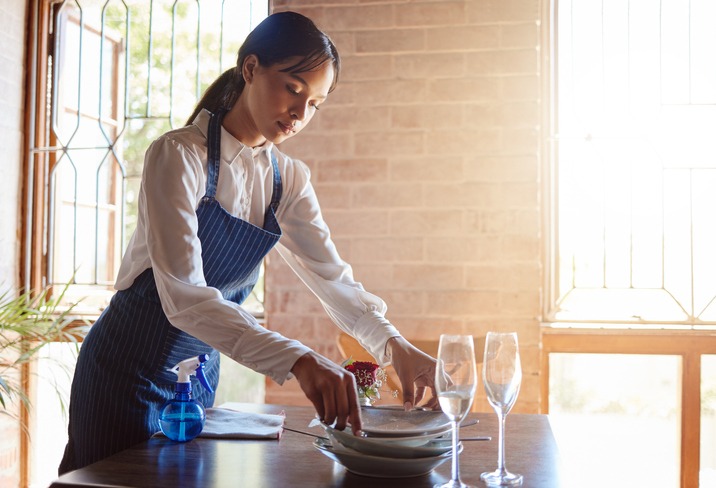
In a busy restaurant, there’s always something that needs to be done. But knowing how to prioritize your tasks is what sets a good busser apart from a great one.
Start by focusing on tables that are about to be seated. If guests are waiting for a table, your top priority should be clearing and resetting those tables first. Once that’s done, move on to other tables that might need attention, like those where guests have finished eating but haven’t left yet.
Prioritization isn’t just about clearing tables, though. You also need to be aware of what’s happening around you. If a server looks like they need help, stepping in to assist can make a big difference in how smoothly things run.
The key is to stay flexible. Sometimes priorities shift, especially during peak hours, so always be ready to adjust your plan and focus on what’s most urgent.
5. Communicate with Your Team
Being a busser means you’re part of a team, and good communication is essential for teamwork. Whether you’re coordinating with servers, the host, or the kitchen staff, clear and concise communication helps keep things running smoothly.
Let the host staff know when tables are ready to be seated, and check in with servers to see if they need help pre-bussing or resetting a table. During busy times, quick updates can make all the difference. Non-verbal communication, like eye contact and hand gestures, is also important when things get loud or hectic.
Remember, you’re not working alone. The better you communicate with your team, the smoother the service will be for everyone.
6. Move with Purpose
Speed is important, but safety comes first. Moving too quickly can lead to accidents, spills, or even injuries. The trick is to move with purpose—be quick, but stay safe.
When carrying trays or bus tubs, use controlled movements to avoid accidents. Don’t overload your trays, and be mindful of your surroundings as you move through the dining room. If the restaurant is busy, navigate carefully to avoid bumping into guests or other staff.
It’s also important to use proper lifting techniques to avoid injuries. Bend your knees and lift with your legs, not your back. And if something is too heavy, don’t be afraid to ask for help.
Being fast is great, but being safe is even more important.
7. Anticipate Customer Needs
A huge part of being an efficient busser is anticipating what’s coming next. Keep an eye on your section and the customers in it. Are they finishing their meal? Is a table about to leave? If you can anticipate these things, you’ll be ready to act as soon as the moment comes.
For example, if you notice a group wrapping up their meal, be prepared to clear the table as soon as they leave. The faster you can clear and reset the table, the quicker the next guests can be seated.
During busy times, anticipation is even more important. Look ahead to see where you’ll be needed next, and get ready to move.
8. Use What’s Available
Many restaurants are adopting new tools and technologies to help improve efficiency. If your restaurant has mobile devices or apps for communication between staff, use them to your advantage. Being able to send a message to the kitchen or host quickly can save you from running back and forth.
Some restaurants also use automated systems to track table occupancy. These systems can help you prioritize which tables to clear first based on how long they’ve been occupied. It’s a great way to stay organized and ensure no table gets overlooked.
Even if your restaurant doesn’t use high-tech solutions, staying organized with tools like bus tubs and carts can make a big difference in how fast you can clear tables.
9. Keep Your Station Clean
Cleanliness isn’t just about making the dining area look nice. It’s also about maintaining a safe and efficient workspace. If your busser station is cluttered or dirty, it’s going to slow you down.
Make it a habit to clean as you go. After each trip to the kitchen, take a moment to tidy up your station. Wipe down surfaces, sanitize your bus tubs, and make sure your tools are ready for the next rush.
A clean workstation not only helps you work faster but also shows professionalism. Guests and staff alike will appreciate the effort.
10. Always Look for Ways to Be Better
Even if you’re already great at your job, there’s always room for improvement. Ask for feedback from your manager and fellow staff members to see if there are areas where you can speed up or become more efficient.
Watch experienced bussers to pick up tips and tricks that you might not have thought of. And don’t be afraid to experiment with different techniques to see what works best for you.
Efficiency is something you can always improve, so keep practicing, stay open to feedback, and strive to get a little better each day.
Conclusion
As a busser, you play a critical role in the success of the restaurant. By staying organized, developing a routine, and continuously looking for ways to improve, you can significantly boost your speed and efficiency. The faster and more effectively you can clear tables and support the team, the smoother the restaurant will run.
Remember, it’s not just about speed—it’s about working smart, being safe, and providing great service. With these pro tips, you’ll be well on your way to mastering the art of bussing and making a lasting impact on the restaurant and your team.
Related posts