Restaurant Uniform Etiquette: Dos and Don’ts for a Professional Look
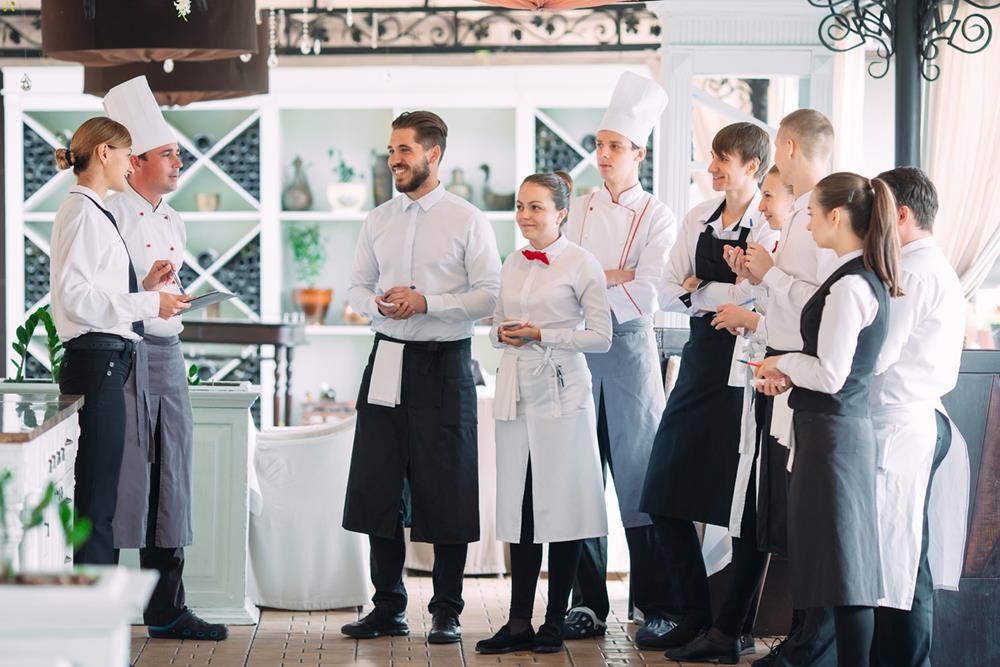
In the fast-paced restaurant industry, your uniform does more than cover you—it represents your workplace, your team, and the dining experience as a whole. Whether you’re greeting guests, running plates, or handling an unexpected spill, maintaining a professional appearance is essential. Uniform etiquette goes beyond simply putting on a clean shirt.
It’s about how you carry yourself, how you adhere to dress codes, and how you prepare for the rigors of the job. Here’s your go-to guide for keeping your look professional, comfortable, and ready for every shift.
Importance of Clean and Well-Fitted Uniforms
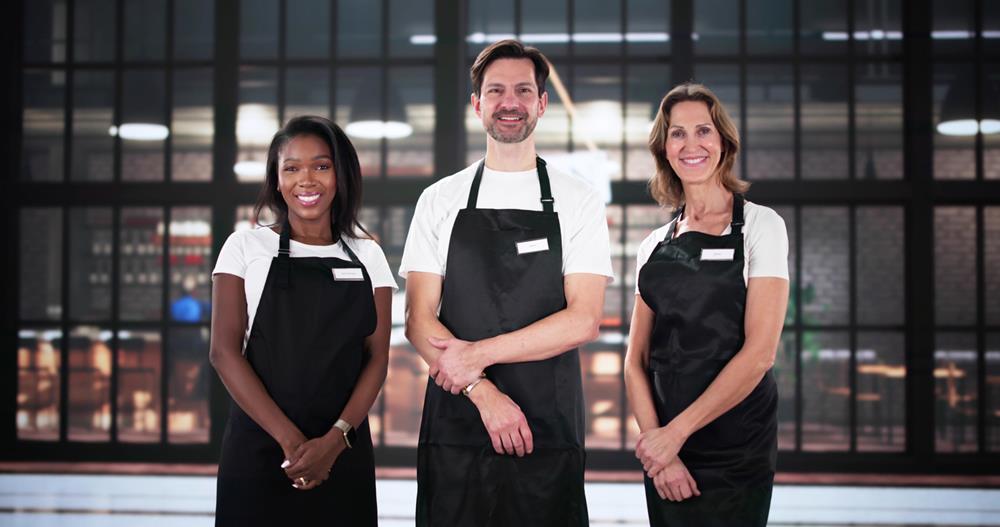
When you walk into a restaurant, the primary thing you notice is often the staff's appearance, and this is where clean and well-fitted uniforms play a vital role. Initial impressions count, and a spotless uniform greatly improves the restaurant's professional image.
Uniform maintenance practices, like regular washing and repairs, are imperative; they extend the uniform's lifespan by up to 50%, cutting replacement costs. Employee comfort considerations shouldn't be overlooked either. Well-fitted uniforms guarantee comfort and mobility, critical for long shifts in the fast-paced restaurant environment.
This elevates morale and confidence, translating into better productivity and customer service. Uniforms also promote visually the restaurant, enhancing brand recognition. Consistency in uniform cleanliness and fit also reinforces the restaurant's brand identity, visually showcasing its commitment to quality and service.
Guidelines for Jewelry and Accessories
Anyone stepping into a restaurant kitchen or service area should pay careful attention to the guidelines for jewelry and accessories. Minimal jewelry is vital to maintain hygiene and safety. Most establishments allow only plain wedding bands for food handlers.
It's important to adhere to accessory restrictions that prioritize sanitary practices. Arriving at work while smelling fresh is also crucial to maintain a pleasant atmosphere for both customers and coworkers.
- Avoid: Dangling earrings, necklaces, and bracelets, as they can fall into food or equipment.
- Skip: Rings with stones and watches since they can harbor bacteria and hinder handwashing.
- Minimize: Hair accessories to guarantee they don't interfere with food safety standards.
- Check: Piercings and tattoos should align with the restaurant's professional appearance guidelines.
Following these rules helps maintain a clean and cohesive look while emphasizing safety in food service environments.
Hair Styling and Restraint Tips
To maintain professionalism and hygiene in a restaurant setting, it's vital that you keep your hair properly styled and restrained. Long hair should be tied back or neatly braided to prevent it from contaminating food and to maintain a professional appearance. Using hair restraints like hair nets or caps is mandatory for all food handlers, guaranteeing compliance with health regulations.
Choose hairstyles that won't obstruct your vision or interfere with your duties, prioritizing safety and professionalism. Opt for minimal hair products without strong fragrances, as overpowering scents can be off-putting to customers. Regular grooming and maintenance are important to presenting a clean and polished image to both guests and coworkers, reinforcing the significance of a tidy and controlled look in food service environments.
Nail Care and Hygiene Standards
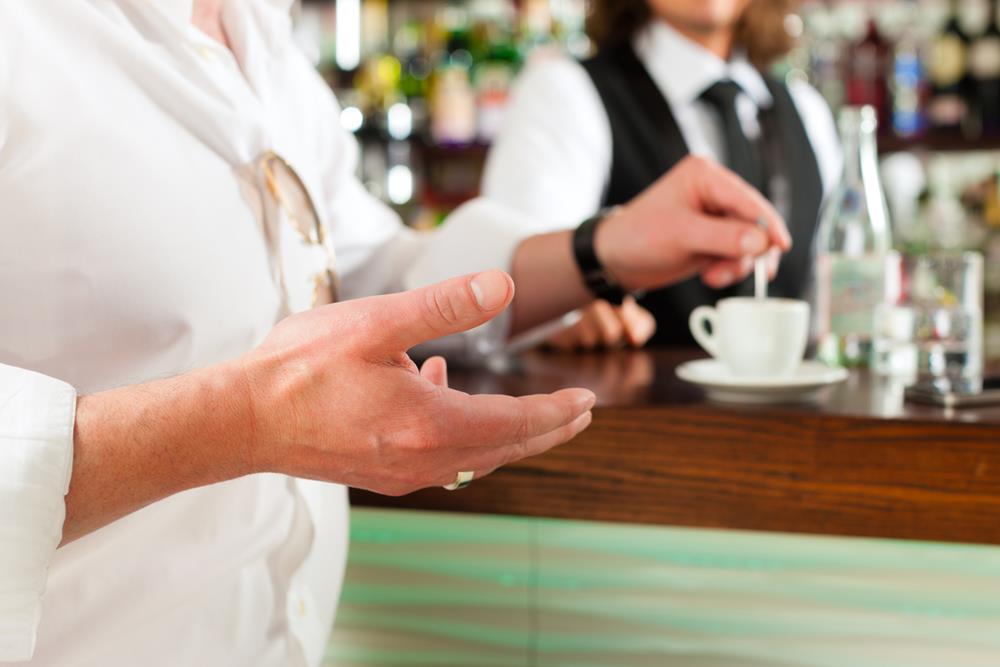
After guaranteeing your hair is properly managed, focus on nail care to maintain a professional and hygienic appearance. Adhering to nail hygiene practices is essential for food safety and preventing contamination. Keep your nails short and clean, as long nails can harbor bacteria.
Regular nail trimming techniques help avoid breaks and chips, reducing risks to food safety. Avoid nail polish and artificial nails, as they can chip and pose health hazards.
Maintain these standards:
- Trim nails regularly to prevent breaks.
- Keep nails free of polish to comply with health regulations.
- Adopt consistent cleaning routines for your nails.
- Avoid artificial nails to reduce contamination risks.
Following these guidelines guarantees you uphold the restaurant's hygiene standards, creating a safe and professional environment.
Footwear Recommendations for Safety
When working in a restaurant, prioritizing footwear safety is vital to prevent workplace accidents. You'll need non-slip shoes to combat wet or greasy floors, minimizing your risk of slips and falls. It's important to choose closed-toe footwear to shield your feet from injuries caused by heavy equipment, falling objects, or hot spills.
Opt for shoes made of durable materials that can handle the fast-paced restaurant environment, ensuring they stay safe and functional during long shifts. Comfort is key for maintaining energy and morale, so select footwear that supports extended periods of standing and walking. Many establishments require specific styles, like clogs or sneakers, that meet safety standards and adhere to the dress code, offering a professional look while ensuring slip resistance.
Brand Image and Uniform Consistency
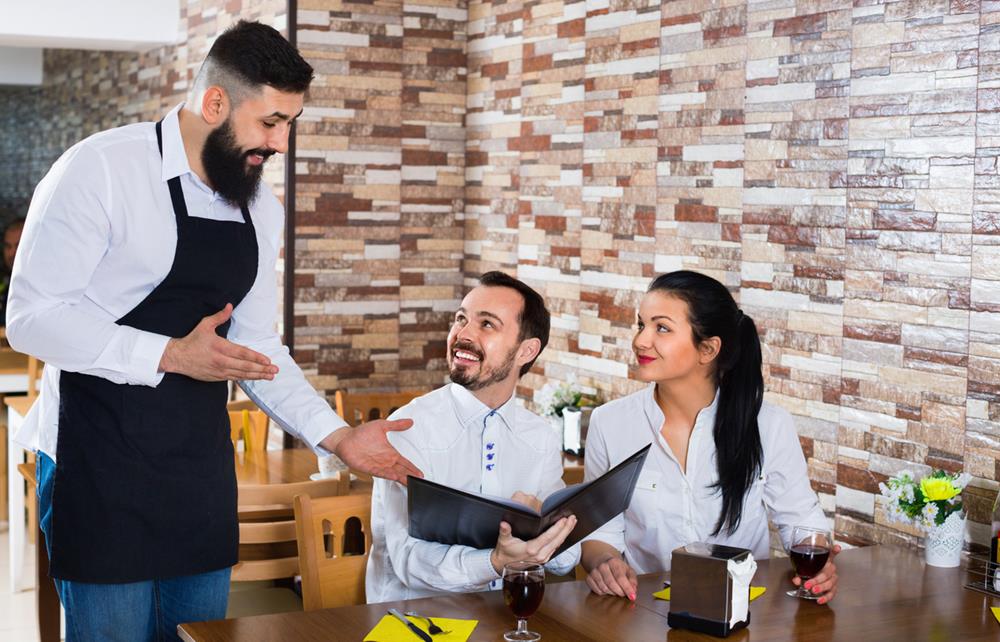
Uniforms play a crucial role in shaping a restaurant's brand image and guaranteeing uniform consistency across all staff members. By incorporating brand colors and logos, you amplify brand recognition and create visual cohesion that connects with guests. Consistent uniform design not only strengthens your marketing efforts but also fosters a professional atmosphere that positively impacts customer perception.
To maintain these standards, consider the following:
- Integrate brand colors: Use your distinct palette to elevate recognition.
- Emphasize cleanliness: Uniforms should always be clean to uphold professionalism.
- Set specific guidelines: Clear rules promote accountability and teamwork.
- Guarantee consistency across locations: This reinforces brand reliability and trust.
Each of these elements contributes to a unified brand experience and guarantees guests easily associate your establishment with quality and consistency.
Enhancing Guest Experience Through Uniform Etiquette
By prioritizing uniform etiquette, restaurants can greatly improve the guest experience. A cohesive and professional atmosphere is created when your staff's attire consistently reflects your brand identity. This helps guests feel welcomed and makes guest interaction more seamless.
Well-maintained uniforms, clean and pressed, signal professionalism and attention to detail, leaving a positive initial impression. When guests can easily identify employees by their consistent uniforms, service efficiency improves, leading to higher customer satisfaction. Adhering to guidelines like wearing non-slip shoes guarantees your staff's safety, reassuring guests about their wellbeing.
Final Thoughts
Maintaining proper restaurant uniform etiquette is about more than following the rules—it’s about ensuring you’re presenting the best version of yourself to customers and colleagues. By sticking to these dos and avoiding common pitfalls, you’ll project a polished and professional image that enhances the dining experience. Remember, the devil is in the details, so keep your uniform sharp, your posture confident, and your smile ready for every shift.