The 7 Do’s and Don’ts of Tasting Menus
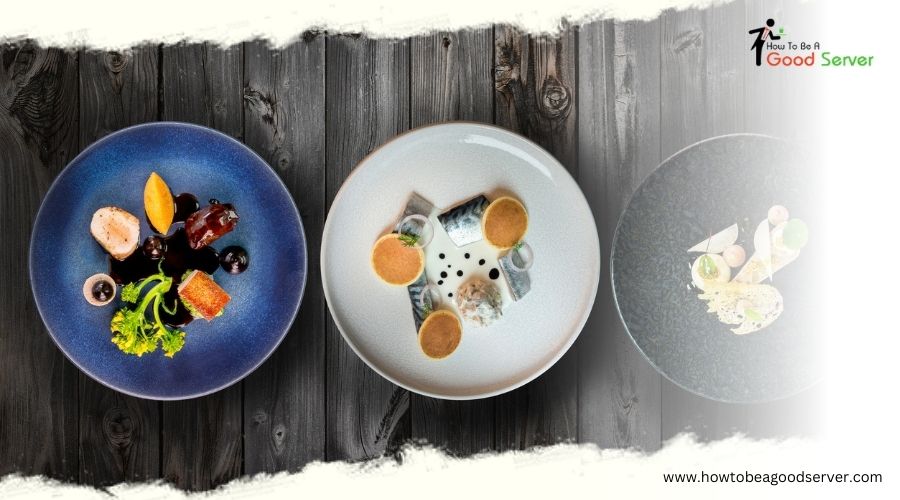
Tasting menus have become a staple in fine dining, offering guests a curated experience that goes far beyond your typical meal. Whether you're a chef wanting to showcase your creativity or a restaurant looking to provide a unique experience, a tasting menu can be a powerful tool. However, there's a fine line between creating a magical experience and one that leaves guests feeling overwhelmed or underwhelmed.
For restaurants, tasting menus provide an opportunity to stand out. They allow chefs to experiment with ingredients, tell a story through their dishes, and create something memorable. But how can you ensure that your tasting menu does all that and more? Here are the seven do's and don'ts that can make or break your tasting menu experience.
Do: Showcase Culinary Expertise

A tasting menu is the perfect stage for chefs to demonstrate their skills and creativity. It's not just about putting food on a plate but crafting an entire experience. This is the time to show off the techniques, flavor combinations, and ingredients that make your restaurant unique.
With smaller portions, you can use ingredients that might be too expensive or too strong for an entrée-sized dish. Think about truffles, saffron, or blue crab—ingredients that add a luxurious touch without overwhelming the palate. Your chefs can create a multi-course experience where each dish complements the next.
For instance, restaurants like Monello in Minneapolis have made their mark by offering a pasta-tasting menu featuring high-end ingredients like lobster and braised rabbit. Such dishes might be as costly as regular menu items, but a tasting menu allows you to feature them in smaller, more affordable portions. This allows you to provide a high-quality experience without breaking the bank.
Don't: Overwhelm the Guest
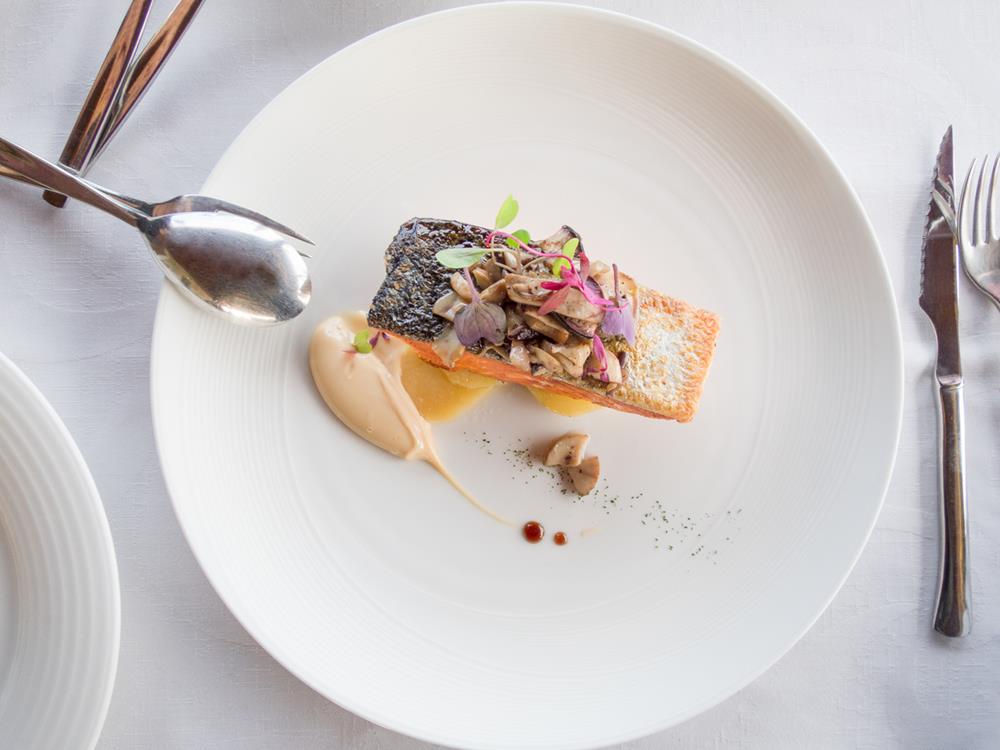
One of the most common pitfalls in tasting menus is serving too much food. It's easy to get carried away with offering a "feast" for the senses, but remember that the goal is to leave your guests satisfied, not stuffed.
Tasting menus are often multi-course affairs—sometimes reaching up to 12 courses! If each dish is too rich or the portions are too large, guests might struggle to finish the meal. By the time they get to the last course, instead of savoring every bite, they might just be too full to appreciate it.
The key is balance. Alternate between rich and light dishes to keep the meal flowing smoothly. For example, start with something light, like a fresh seafood appetizer, and follow it with something heartier, like a well-seasoned meat dish. Make sure to include palate cleansers—like a sorbet between courses—to help refresh the guests' taste buds. This prevents your diners from feeling overwhelmed by too much richness or heaviness.
Do: Create a Story Through the Menu
More than a collection of dishes, a tasting menu is a journey. When done right, it can tell a story, whether it's about the chef's background, regional influences, or seasonal ingredients. Each course should flow seamlessly into the next, creating a cohesive experience.
For example, suppose your chef has a passion for regional cuisine. In that case, they can incorporate that into the tasting menu by using traditional ingredients and cooking methods while adding a modern twist. You could also focus on seasonal ingredients, using what's fresh and available to highlight the best of the current season.
Don't: Drag Out the Experience
While tasting menus are supposed to be an experience, there's a fine line between a well-paced meal and one that feels like it's taking forever. Pacing between courses is critical to keeping your guests engaged and satisfied.
If there's too much time between courses, your guests might start getting restless. On the flip side, if the courses are served too quickly, they may feel rushed and unable to savor each dish fully. Finding the right balance between these extremes is essential for a successful tasting menu.
Your kitchen and service teams must sync to ensure each course is timed correctly. Guests should have enough time to enjoy each dish, but not so much that they're left wondering when the next course will arrive. The goal is to create a flow that keeps diners interested from start to finish without dragging out the meal for hours.
Do: Train Your Staff to Be Knowledgeable and Attentive
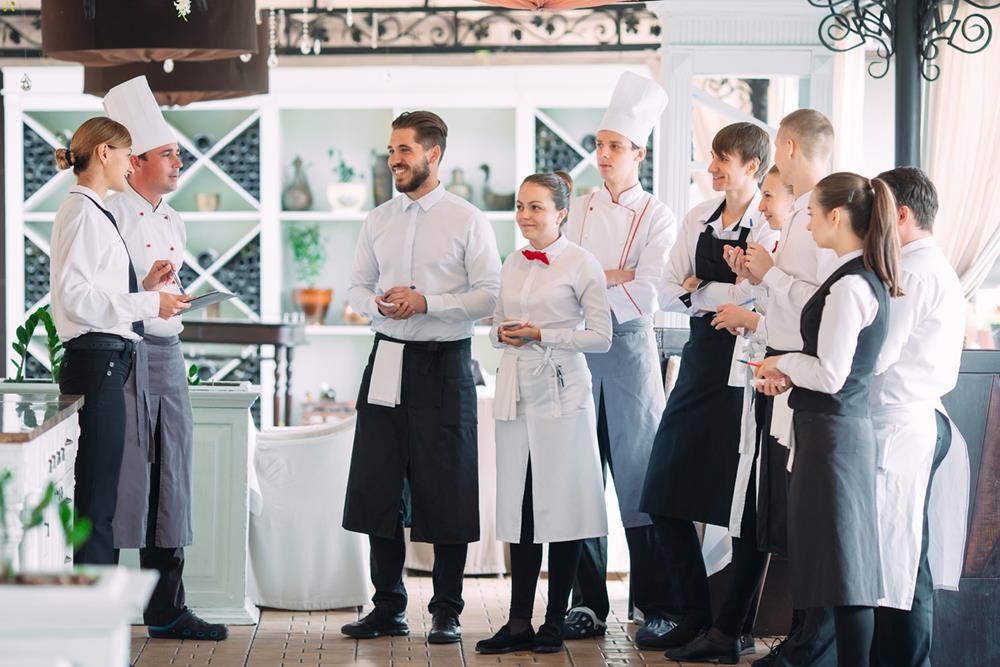
Service is a huge part of the tasting menu experience. Guests who opt for a tasting menu usually look for something special, expecting a higher level of service to match the elevated dining experience.
Your servers should be well-versed in every dish on the menu and able to explain the ingredients and the inspiration behind each course. It's not just about placing a plate before someone—it's about guiding them through the meal. When your staff can communicate the story of the tasting menu and how each dish fits into it, the dining experience becomes even more meaningful.
Presentation is just as important as knowledge. Servers should clear the table between courses and ensure fresh settings for each new dish. They should be attentive but not overbearing, checking in at the right moments without interrupting the flow of the meal.
Don't: Neglect Special Occasions
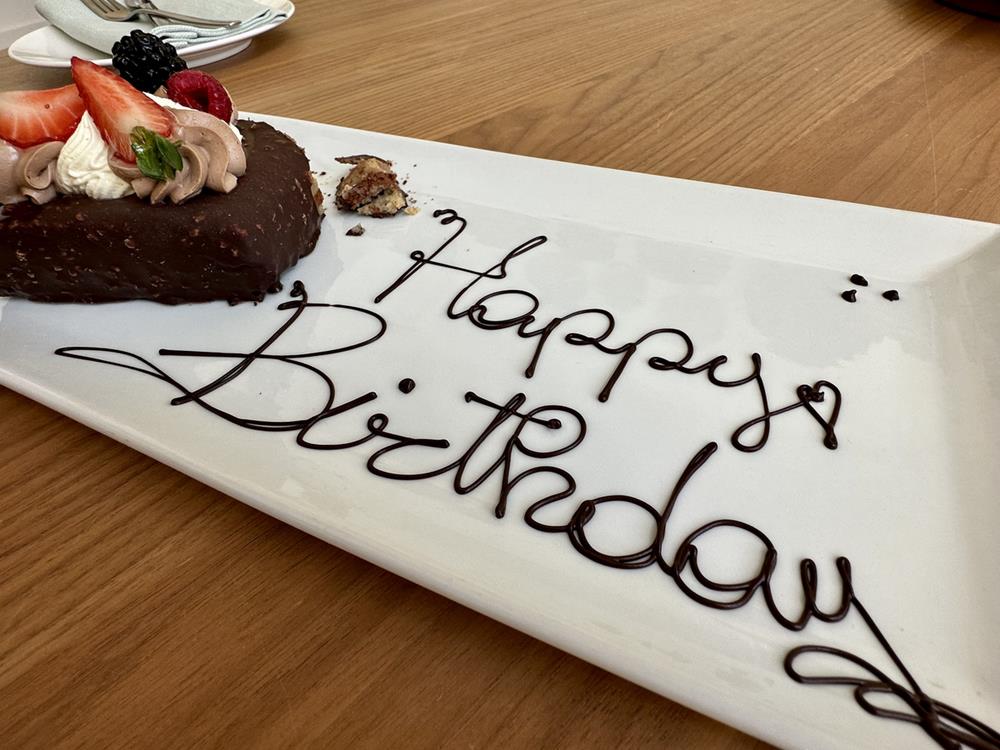
Many guests who opt for a tasting menu celebrate something special, whether it's a birthday, anniversary, or another life event. These diners expect a memorable experience, and it's your job to make sure they get it.
Your staff should know the significance of these special occasions and go the extra mile to make them feel even more special. Simple gestures, like a personalized message on a dessert plate or a complimentary glass of champagne, can elevate the dining experience.
In some cases, time may be a factor. For example, if your restaurant is in a theater district, your guests might be trying to make a show. In these instances, offering both a shorter and longer tasting menu (like the 5- and 10-course options at Acadia in Chicago) can be a great way to accommodate guests with varying schedules.
Do: Continuously Innovate and Adapt
The world of food is ever-evolving, and so should your tasting menu. What worked one season may not resonate the next. Continuously evaluating your menu's success is key to keeping things fresh and exciting for returning guests.
Ask your servers for feedback and listen to what diners say. Are there courses they rave about? Is there a dish that's consistently left unfinished? These insights can help you tweak the menu to better suit your guests' tastes.
Adapting your menu doesn't just mean changing dishes—it can also mean adjusting portion sizes, swapping out ingredients based on seasonality, or offering vegetarian and vegan options to accommodate dietary restrictions. The goal is to keep things fresh while ensuring that every guest feels like their experience was thoughtfully crafted.
Don't: Forget About Variety
Variety is key in a tasting menu. Each dish should offer something new—whether that's a different flavor profile, texture, or ingredient. Repetitive courses can make a tasting menu monotonous, so keeping your guests on their toes is important.
For example, if one course features a rich meat dish, follow it up with something light and refreshing to cleanse the palate. Offering a balance of flavors—from sweet to savory, acidic to umami—ensures that each course feels distinct and exciting.
At the same time, don't forget about wine pairings. If you offer a wine pairing option, ensure that each wine complements the flavors of the corresponding dish. Just like the food, the wine should enhance the overall experience rather than overpower it.
Conclusion
Creating a successful tasting menu is an art form that requires careful planning, creativity, and a deep understanding of your guests. From showcasing your kitchen's talent to telling a cohesive story through your dishes, every element must work together to create a memorable experience.
By following these do's and don'ts, you can craft a tasting menu that elevates your restaurant and provides an unforgettable dining experience for your guests. Tasting menus may not be right for every restaurant, but when done right, they can offer a unique, elevated experience that sets your establishment apart.