The Role of Augmented Reality (AR) and Virtual Reality (VR) in Future Color Prediction Games
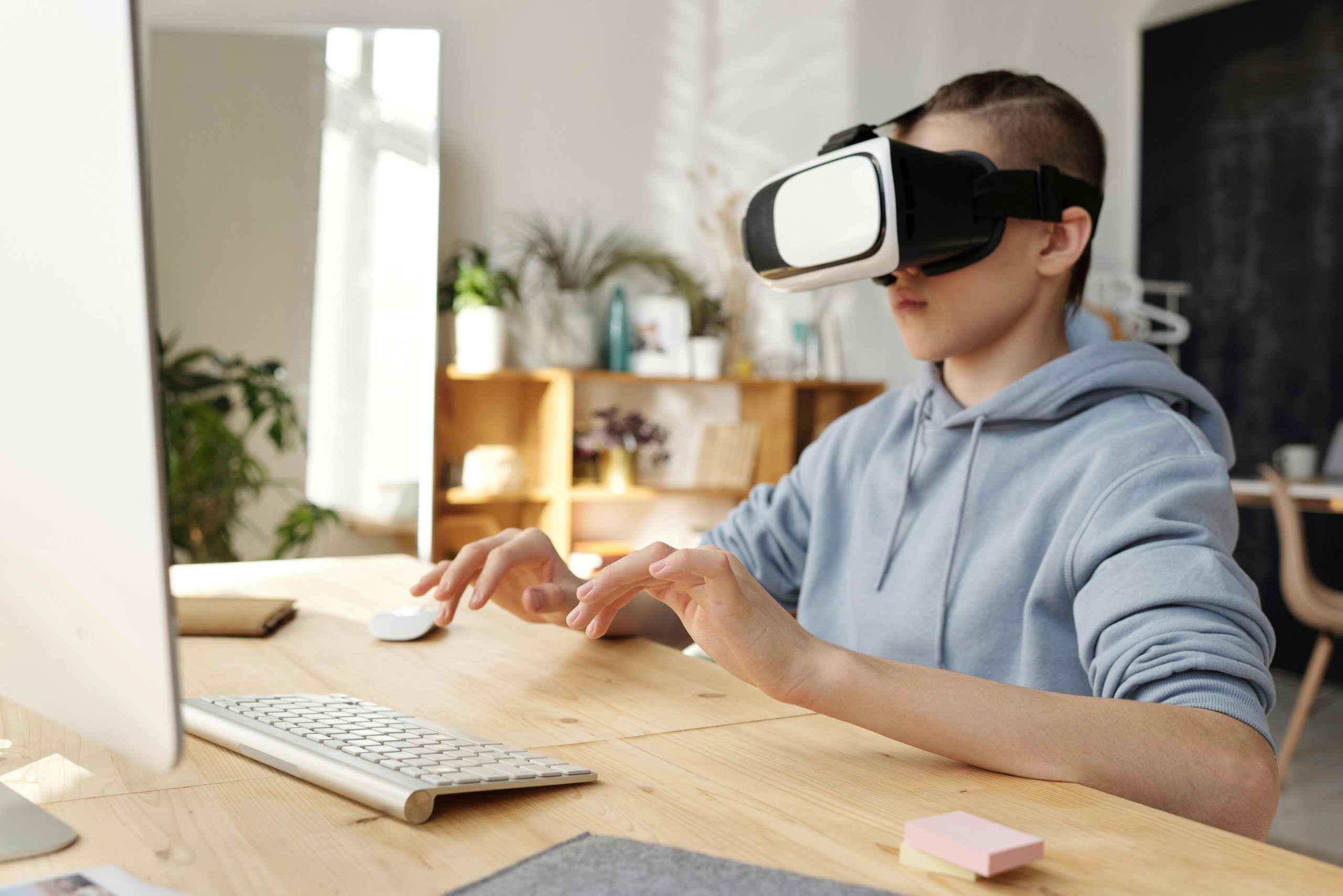
As technology continues to redefine the boundaries of digital entertainment, the incorporation of Augmented Reality (AR) and Virtual Reality (VR) into gaming experiences is becoming increasingly prevalent. Color prediction games, which are already a popular mix of strategy and chance, stand to benefit immensely from these immersive technologies. With AR and VR bringing new dimensions to player interaction and engagement, the future of color prediction games promises to be more dynamic and transformative than ever before. This article explores the ways in which AR and VR are poised to revolutionize these games in the years to come.
The Current Landscape of Color Prediction Games
At present, color prediction games at 91club login are largely played on traditional digital platforms such as smartphones, tablets, and computers. They typically involve predicting the outcome of a particular color-based result, with players relying on a mix of strategy, probability, and sometimes luck. While these games are simple yet engaging, their 2D interfaces and limited interaction leave room for innovation.
This is where AR and VR step in, offering the potential to elevate these games to a new level of engagement and realism.
Augmented Reality (AR): Adding a Layer of Interaction
AR overlays digital elements onto the real world, blending physical and virtual realities to create interactive experiences. In the context of color prediction games, AR could introduce a host of exciting possibilities:
- Interactive Environments: AR can turn any physical space into a gaming arena. Players could project virtual game boards onto their surroundings, interact with colorful objects in real time, and make predictions by tapping on holographic displays. This integration creates a more engaging and tangible gaming experience.
- Social Connectivity: AR can bring players together in shared virtual spaces, fostering a sense of community. Imagine participating in color prediction tournaments in your living room with holograms of friends or other players, all interacting in the same virtual environment.
- Enhanced Visuals: AR’s ability to create vivid and lifelike visual effects can make color prediction games more captivating. Players might see colors explode in bursts of light upon winning, or watch as their predictions materialize into spectacular animations.
Virtual Reality (VR): Immersing Players in a New World
VR, on the other hand, offers complete immersion by placing players in entirely virtual environments. For color prediction games, this means transporting players into visually rich, interactive worlds designed exclusively for gaming. Here’s how VR could reshape the experience:
- Immersive Gameplay: In a VR setting, players could find themselves in a virtual casino, a futuristic city, or a serene natural landscape—all designed to host color prediction games. The ability to look around and interact with a 360-degree environment adds depth and excitement to the gameplay.
- Customizable Avatars: VR allows players to create and embody avatars that represent them in the virtual world. This feature not only adds personalization but also enhances the social aspect of gaming, enabling players to interact with others in a more authentic and engaging way.
- Tactile Feedback: With VR controllers and haptic technology, players can physically "touch" and manipulate virtual objects. In a color prediction game, this could mean picking up and placing colorful tokens, spinning a virtual wheel, or interacting with elements in ways that feel remarkably real.
The Synergy of AR and VR in Color Prediction Games
The combination of AR and VR—sometimes referred to as Mixed Reality (MR)—has the potential to create hybrid gaming experiences that blend the best of both technologies. For example, players could use AR to participate in physical-world interactions while donning VR headsets for a fully immersive experience during key moments in the game. This seamless integration could redefine how color prediction games are played, blurring the lines between reality and the virtual realm.
Challenges and Considerations
While the integration of AR and VR into color prediction games is exciting, it also presents challenges:
- Accessibility: High-quality AR and VR equipment can be expensive, potentially limiting access for some players.
- Development Costs: Building sophisticated AR and VR experiences requires significant investment in technology and expertise.
- Learning Curve: Players unfamiliar with these technologies may face an initial learning curve, which could impact adoption rates.
Despite these challenges, advancements in hardware affordability and user-friendly interfaces are expected to mitigate these barriers over time.
Conclusion
The integration of AR and VR into color prediction games represents the next frontier in gaming innovation. By enhancing interactivity, immersion, and social connectivity, these technologies promise to create more engaging and memorable experiences for players. As developers continue to explore the potential of AR and VR, color prediction games are set to evolve into a new era of digital entertainment—one where players are not just participants, but active creators of their own immersive worlds.