How Outdoor Dining Shapes Texas Food and Travel Culture
Outdoor dining has become one of the defining experiences of Texas food culture. Across the state, patios, beer gardens, rooftop restaurants, barbecue courtyards, and waterfront decks have evolved into gathering places that blend food, music, scenery, and community into one experience. In Texas, eating outdoors often feels tied to the destination itself. Travelers may spend the afternoon exploring the San Antonio River Walk, hiking near Hill Country wineries, or relaxing along the Gulf Coast before ending the day on a shaded patio with live music and local food. Restaurants across the state increasingly design outdoor spaces to reflect the atmosphere and identity of their communities, making patios and open-air dining areas just as important as the menus themselves. The state’s long warm seasons also help support outdoor dining for much of the year. Even during hotter months, Texans continue filling patios cooled by fans, misting systems, shaded oak trees, and waterfront breezes.
Why Outdoor Dining Became So Popular in Texas
Outdoor dining fits naturally into Texas culture because social gatherings have long centered around open-air spaces. Backyard cookouts, dance halls, barbecue pits, rodeos, county fairs, and beer gardens all helped establish a tradition where food and outdoor entertainment became closely connected. Many early Texas communities relied on outdoor cooking and gathering spaces because of ranch life, agricultural traditions, and warm weather. Over time, restaurants expanded on those ideas by creating patios and courtyards where guests could spend hours socializing rather than simply eating a quick meal. Today, outdoor dining remains especially popular in cities such as Austin, San Antonio, Houston, Dallas, and Fort Worth, where restaurants often compete to create memorable patio experiences with live music, scenic views, and comfortable gathering spaces. Outdoor seating also became increasingly important for travelers looking to experience local culture more directly. Visitors frequently choose patios because they offer a better sense of the city’s atmosphere, architecture, weather, and community energy than indoor dining rooms alone.
San Antonio River Walk and the Rise of Outdoor Dining Tourism
View this post on Instagram
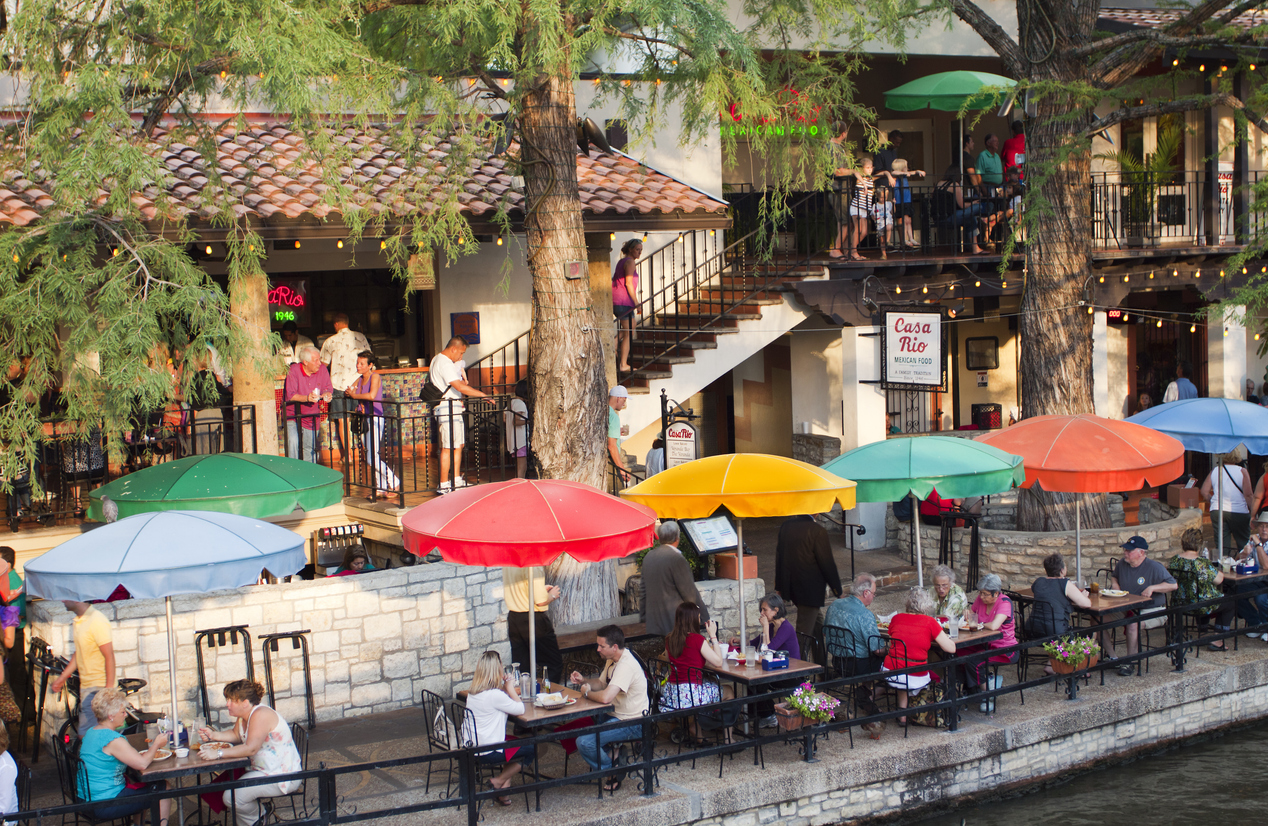
Few places in Texas demonstrate the connection between tourism and outdoor dining better than the San Antonio River Walk. Restaurants lining the river transformed outdoor seating into one of the city’s defining attractions. Visitors often choose River Walk patios specifically for the experience of dining beside the water while watching boat traffic, listening to live music, and enjoying evening lights reflected along the river. Restaurants such as Boudro’s Texas Bistro, Casa Rio, Domingo Restaurant, and Paesanos Riverwalk helped establish the River Walk as one of the country’s most recognizable outdoor dining districts. The success of the River Walk influenced restaurant development throughout Texas. Many cities began investing more heavily in pedestrian-friendly entertainment districts where patios, courtyards, and open-air restaurants could become central gathering spaces for both tourists and locals. Outdoor dining along the River Walk also reflects the city’s blend of Mexican, Tex-Mex, and South Texas culinary traditions. Meals often feel connected to the culture and identity of San Antonio itself rather than simply functioning as tourist dining stops.
Austin’s Patio, Brewery, and Food Truck Culture
View this post on Instagram
Austin helped redefine modern Texas outdoor dining through its mix of patios, food truck parks, breweries, and rooftop restaurants. The city’s outdoor dining culture grew alongside its live music scene and casual social atmosphere. Neighborhoods such as South Congress, East Austin, South Lamar, and Rainey Street became known for restaurants where outdoor seating feels just as important as the food menu. Restaurants like Loro, Perla’s, Easy Tiger, and The Oasis on Lake Travis helped popularize patios that encourage long meals, group gatherings, and relaxed outdoor experiences. Austin’s brewery and food truck culture also reshaped how Texans think about outdoor dining. Places such as Meanwhile Brewing Co. and Cosmic Pickle Road combine food trucks, shaded seating, coffee bars, live music, and large communal patios into single social spaces. Instead of formal restaurant environments, many Austin outdoor dining spots focus on flexibility and atmosphere. Families, cyclists, remote workers, tourists, and music fans often gather in the same spaces throughout the day.
Hill Country Patios, Beer Gardens, and Winery Dining
View this post on Instagram
Throughout the Texas Hill Country, outdoor dining became closely tied to scenic travel experiences. Visitors traveling through Fredericksburg, Gruene, Wimberley, Dripping Springs, and New Braunfels often seek out restaurants with creekside patios, beer gardens, winery terraces, and shaded outdoor seating. Many Hill Country restaurants emphasize natural scenery as part of the dining experience. Oak trees, limestone landscapes, rolling hills, and live music stages frequently shape the layout and atmosphere of outdoor dining spaces. Restaurants such as The Salt Lick BBQ in Driftwood, Gruene River Grill, Hays City Store, and Vista Brewing have become well-known destinations partly because of their outdoor settings. Beer gardens and winery patios remain especially popular during spring wildflower season and cooler fall months, when travelers spend weekends exploring small towns, wineries, state parks, and live music venues throughout the region. The slower pace of Hill Country dining also reflects a broader Texas tradition where outdoor meals become extended social gatherings rather than quick dining stops.
Gulf Coast Seafood Restaurants and Waterfront Dining
View this post on Instagram
Along the Texas Gulf Coast, outdoor dining often revolves around seafood, marinas, beaches, and waterfront views. Cities such as Galveston, Corpus Christi, Port Aransas, Rockport, and Kemah feature restaurants where patios and decks overlook bays, fishing boats, canals, and Gulf waters. Outdoor seating helps connect the dining experience directly to the coastal environment. Restaurants like Gaido’s, Snoopy’s Pier, FINS Grill & Icehouse, and The Crab Shack attract visitors looking for fresh seafood served in relaxed open-air settings. Sunset dining remains especially popular along the coast, where outdoor patios allow guests to enjoy cooler evening temperatures and waterfront scenery after spending the day at beaches or fishing piers. Many Gulf Coast restaurants also incorporate live music, tiki-style bars, and dockside seating into their outdoor dining spaces, reinforcing the casual coastal atmosphere that defines much of Texas beach tourism.
Texas BBQ and the Tradition of Outdoor Smokehouse Dining
View this post on Instagram
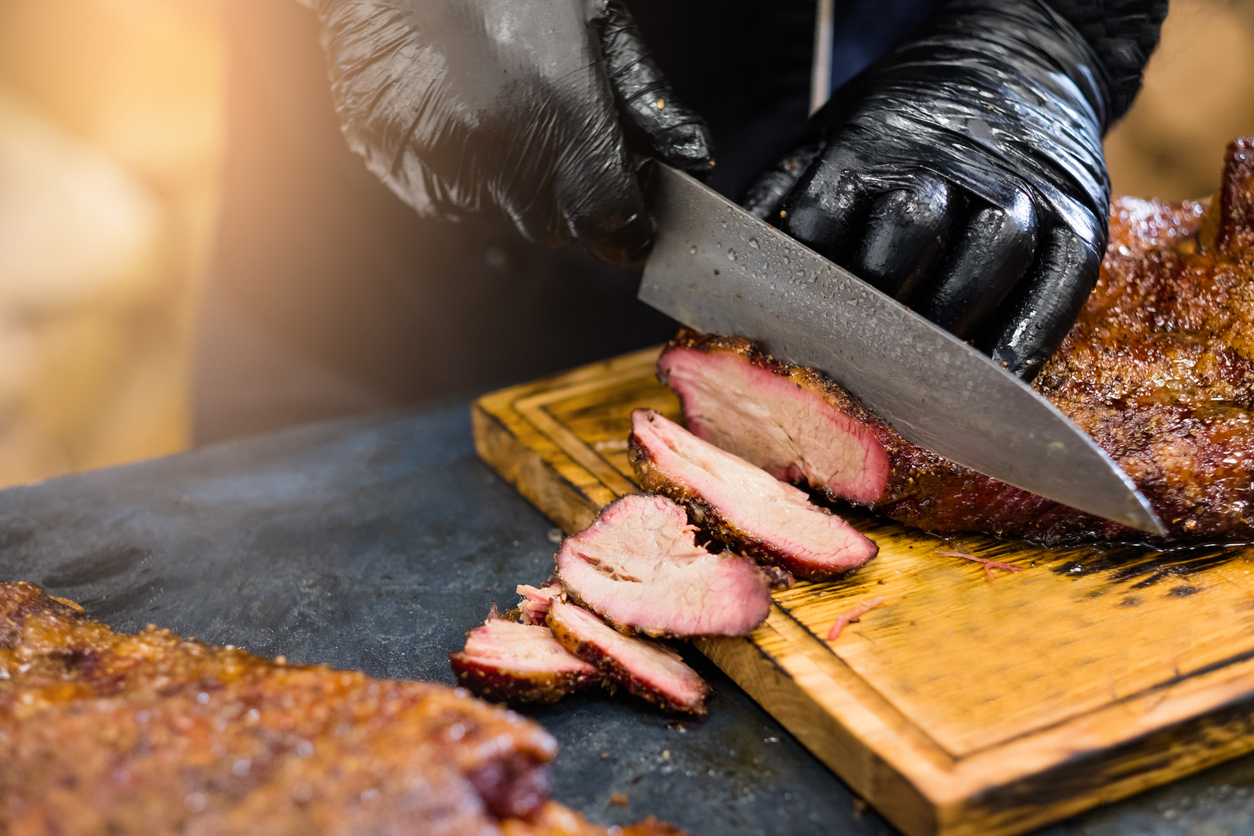
Barbecue restaurants helped establish some of Texas’ most recognizable outdoor dining traditions long before patios became trendy restaurant features. Historically, many smokehouses relied on picnic tables, courtyards, open pits, and outdoor waiting areas because barbecue cooking required large smokers and long cooking times. Outdoor seating naturally became part of the barbecue experience. Restaurants such as Franklin Barbecue, Black’s Barbecue, Micklethwait Craft Meats, Snow’s BBQ, and Cooper’s Old Time Pit Bar-B-Que continue attracting visitors partly because of their outdoor atmospheres. At many Texas barbecue restaurants, meals often stretch into lengthy social gatherings where families and groups spend hours eating, talking, and listening to live music. Outdoor barbecue dining also reflects the communal nature of Texas BBQ culture itself. Long tables, shared platters, and casual seating encourage conversation and group dining in ways that feel distinctly Texan.
Rooftop Restaurants and Modern Urban Patios
View this post on Instagram
As Texas cities expanded, rooftop restaurants and large urban patios became increasingly important parts of local food culture. Houston, Dallas, Austin, and Fort Worth now feature restaurants designed around skyline views, outdoor lounges, rooftop bars, and open-air gathering spaces. Restaurants such as The Rustic, HG Sply Co., 77 Degrees Rooftop, and Brenner’s on the Bayou helped popularize elevated outdoor dining experiences that blend nightlife with restaurant culture. Modern patios often include:
- Fire pits
- Lounge seating
- Retractable roofs
- Misting systems
- Outdoor bars
- String lighting
These spaces are designed not only for meals, but also for social events, sports viewing, live entertainment, and extended evening gatherings. In many Texas cities, rooftop patios have become major attractions for visitors looking to combine food, nightlife, and city views into one experience.
How Texas Weather Shapes Outdoor Dining
Texas weather plays a major role in how restaurants design and operate outdoor dining spaces. Because temperatures frequently exceed 100 degrees during summer, many restaurants invest heavily in cooling systems, shade structures, ceiling fans, and covered patios. Evening dining becomes especially popular during hotter months when temperatures begin cooling after sunset. Spring and fall remain peak patio seasons across much of Texas. During these months, restaurants often experience some of their busiest outdoor dining periods because of comfortable temperatures, festivals, and increased tourism activity. Texas weather can also change quickly, especially during thunderstorm season. As a result, many patios now feature retractable covers, partially enclosed seating, or flexible outdoor layouts that can adapt to rain and wind without fully closing outdoor sections. The ability to comfortably dine outdoors despite weather extremes has become a major part of Texas restaurant design and hospitality culture.
Outdoor Dining as a Social Experience in Texas
In Texas, outdoor dining often functions as a social event as much as a meal. Patios and open-air gathering spaces frequently host:
- Live music performances
- Weekend brunches
- Sports watch parties
- Family celebrations
- Community events
- Happy hours
Restaurants increasingly design patios to encourage guests to stay longer, socialize, and experience the atmosphere around them. This social culture is especially visible at breweries, barbecue restaurants, food truck parks, and winery patios where outdoor seating naturally encourages conversation and interaction between groups. For both locals and travelers, outdoor dining remains one of the clearest examples of how Texas food culture blends hospitality, entertainment, music, scenery, and community into a shared experience.
Conclusion
Outdoor dining continues shaping how people experience Texas food, travel, and social culture. From San Antonio’s River Walk patios and Austin food truck parks to Hill Country beer gardens and Gulf Coast seafood decks, outdoor restaurants help define the atmosphere and identity of communities throughout the state. Whether gathering around picnic tables at a smokehouse or watching the sunset from a rooftop patio, outdoor dining remains one of the most recognizable and enduring parts of Texas hospitality culture.