What Makes the DFW Food Scene Different from Other Texas Cities
Dallas-Fort Worth doesn’t always receive the same national food attention as Austin or Houston, but visitors quickly realize the DFW Metroplex offers one of the most diverse and unexpectedly expansive dining scenes in Texas. Part of what makes the region stand out is its sheer variety. One night might involve Korean barbecue and karaoke in Carrollton, while the next includes Texas brisket in Fort Worth, rooftop cocktails in Dallas, or handmade pasta in Bishop Arts. The Metroplex feels less like one food city and more like dozens of connected culinary neighborhoods, each with its own personality. Unlike some Texas cities where dining revolves around a few concentrated districts, DFW spreads its food culture across suburbs, historic districts, nightlife corridors, and hidden strip malls that regularly produce some of the area’s best meals.
Carrollton’s Korean Food Scene Feels Like Its Own City
View this post on Instagram
One of the most surprising food experiences in North Texas sits in suburban Carrollton. Along Old Denton Road, visitors encounter one of the largest Korean dining districts in Texas. Korean barbecue restaurants, late-night cafés, bakeries, karaoke lounges, and dessert shops fill shopping centers that stay active long after dinner hours. Restaurants like Gen Korean BBQ House, Ari Korean BBQ, and Koryo Kalbi attract both locals and visitors looking for tabletop grilling experiences and traditional Korean dishes. The atmosphere feels completely different from stereotypical Texas dining culture. Neon signs glow late into the evening while groups move between barbecue spots, cafés, and private karaoke rooms. For many travelers, it becomes one of the most unexpectedly vibrant nightlife areas in the Metroplex.
Richardson Chinatown and the Metroplex’s Asian Food Corridors
View this post on Instagram
Richardson has quietly become one of the region’s most important international food hubs. The area surrounding Greenville Avenue and Belt Line Road contains a growing concentration of Chinese restaurants, Taiwanese cafés, noodle shops, bakeries, and hot pot restaurants often referred to locally as Richardson’s Chinatown district. Visitors can find everything from hand-pulled noodles and soup dumplings to Sichuan cuisine and late-night bubble tea spots. Plano and Richardson together have created a larger Asian dining corridor that rivals food districts in much larger coastal cities. What surprises many travelers is how casually world-class international food appears throughout suburban shopping centers. Some of the Metroplex’s best meals are hidden between grocery stores, tea shops, and family-run bakeries.
Irving’s Indian and Pakistani Dining Scene Continues Growing
Irving, particularly around Las Colinas and Valley Ranch, has become one of the strongest South Asian food destinations in Texas. Restaurants serving Pakistani barbecue, North Indian curries, Hyderabad-style biryani, dosas, and street food continue expanding throughout the area. Spots like Karachi Grill, Our Place Indian Cuisine, and Bombay Sizzlers attract diners from across the Metroplex. The food culture here feels deeply community-driven, with grocery stores, sweet shops, cafés, and restaurants operating side by side. Weekend evenings often become especially busy as families gather for long dinners and dessert stops afterward. For travelers unfamiliar with DFW, the scale of the Indian and Pakistani dining scene often comes as a complete surprise.
Fort Worth Still Delivers Classic Texas Steakhouse Culture
View this post on Instagram
While Dallas often leans modern and trend-focused, Fort Worth proudly embraces traditional Texas dining culture. The Stockyards remain one of the best places in the state for visitors wanting classic steakhouse experiences, oversized portions, cowboy aesthetics, and old-school Texas hospitality. Restaurants like H3 Ranch, Cattlemen’s Steak House, and Riscky’s Steakhouse continue serving massive steaks, chicken-fried steak, and barbecue in spaces filled with Western décor and longtime local traditions. The twice-daily cattle drive through the Stockyards only adds to the atmosphere. Few dining districts in Texas feel this intentionally tied to the state’s ranching identity.
Bishop Arts Has Become One of DFW’s Best Brunch Neighborhoods
View this post on Instagram
The Bishop Arts District feels entirely different from downtown Dallas. Tree-lined streets, renovated storefronts, murals, patios, coffee shops, and independent restaurants create one of the Metroplex’s strongest brunch cultures. Weekend mornings bring long waits outside cafés and patios as locals move between coffee shops, bakeries, and restaurants. Places like Oddfellows, Paradiso, and Veracruz Café showcase the neighborhood’s relaxed but highly food-focused atmosphere. Visitors often spend entire afternoons walking between brunch spots, boutiques, cocktail bars, and dessert shops. The district’s smaller scale makes it feel more personal and walkable than many other parts of Dallas.
Deep Ellum Thrives on Late-Night Food and Music Culture
View this post on Instagram
Deep Ellum becomes a completely different neighborhood after dark. Live music venues, cocktail bars, tattoo shops, and street murals surround restaurants serving food well into the night. The neighborhood’s late-night dining culture is part of what separates Dallas from many other Texas cities. Visitors can move from barbecue to ramen, tacos, pizza, or fried chicken without leaving the district. Pecan Lodge remains one of Texas’s best-known barbecue destinations, while spots like Terry Black’s, Cane Rosso, and serious cocktail bars continue drawing crowds late into the evening. The combination of nightlife and food gives Deep Ellum an energy that feels closer to larger entertainment districts in cities like Chicago or Nashville.
Legacy West Brings Luxury Dining Into the Suburbs
Plano’s Legacy West helped redefine suburban dining in North Texas. Rather than traditional chain-heavy suburban development, the district mixes upscale restaurants, cocktail lounges, rooftop bars, and chef-driven concepts into a walkable entertainment area. Restaurants like Del Frisco’s Double Eagle Steakhouse, Haywire, and Toulouse Café create a polished atmosphere that attracts both locals and visitors. The development reflects how much DFW’s suburban food culture has evolved over the last decade. Many travelers still expect the best dining to exist only in central Dallas or Fort Worth, but Plano, Frisco, and surrounding suburbs now compete aggressively for destination restaurants.
DFW Patios Become a Major Part of Dining Culture
Texas weather heavily shapes how people dine across the Metroplex. During cooler months, patios become central gathering places throughout Dallas, Fort Worth, and surrounding suburbs. Rooftop lounges, beer gardens, courtyard restaurants, and open-air cocktail bars stay packed during fall and spring evenings. Neighborhoods like Uptown, Lower Greenville, and Bishop Arts especially embrace outdoor dining culture. Restaurants often prioritize patio aesthetics with string lights, fireplaces, garden seating, and skyline views. The patio scene contributes heavily to DFW’s social dining atmosphere.
Food Halls Like Legacy Hall Reflect DFW’s Variety
View this post on Instagram
Food halls have become major dining destinations across North Texas. Plano’s Legacy Hall stands out by combining multiple restaurant concepts, bars, live music, breweries, and large communal seating areas into one space. Visitors can sample tacos, barbecue, Asian cuisine, burgers, desserts, and cocktails in a single evening without committing to one restaurant. The format fits DFW’s dining culture particularly well because the region thrives on variety and group dining experiences.
Barbecue in DFW Feels Like a Pilgrimage for Food Fans
View this post on Instagram
Texas barbecue already attracts travelers statewide, but DFW’s barbecue culture has developed its own identity. People regularly drive across the Metroplex just to visit highly regarded spots like Goldee’s Barbecue, Panther City BBQ, Pecan Lodge, Cattleack Barbecue, and Hutchins BBQ. Long lines outside barbecue restaurants have become part of the experience itself. The dedication surrounding barbecue in North Texas often feels almost ceremonial. Travelers plan entire weekends around visiting specific smokehouses.
Giant Portions Still Define the Texas Dining Experience
One thing visitors notice immediately in DFW is portion size. Whether ordering chicken-fried steak in Fort Worth, barbecue platters in Deep Ellum, Tex-Mex combination plates, or oversized brunch dishes, many restaurants continue embracing the “bigger is better” Texas mentality. Even upscale restaurants often serve portions noticeably larger than what travelers expect in coastal cities.
Breakfast Tacos and Brunch Both Matter Here
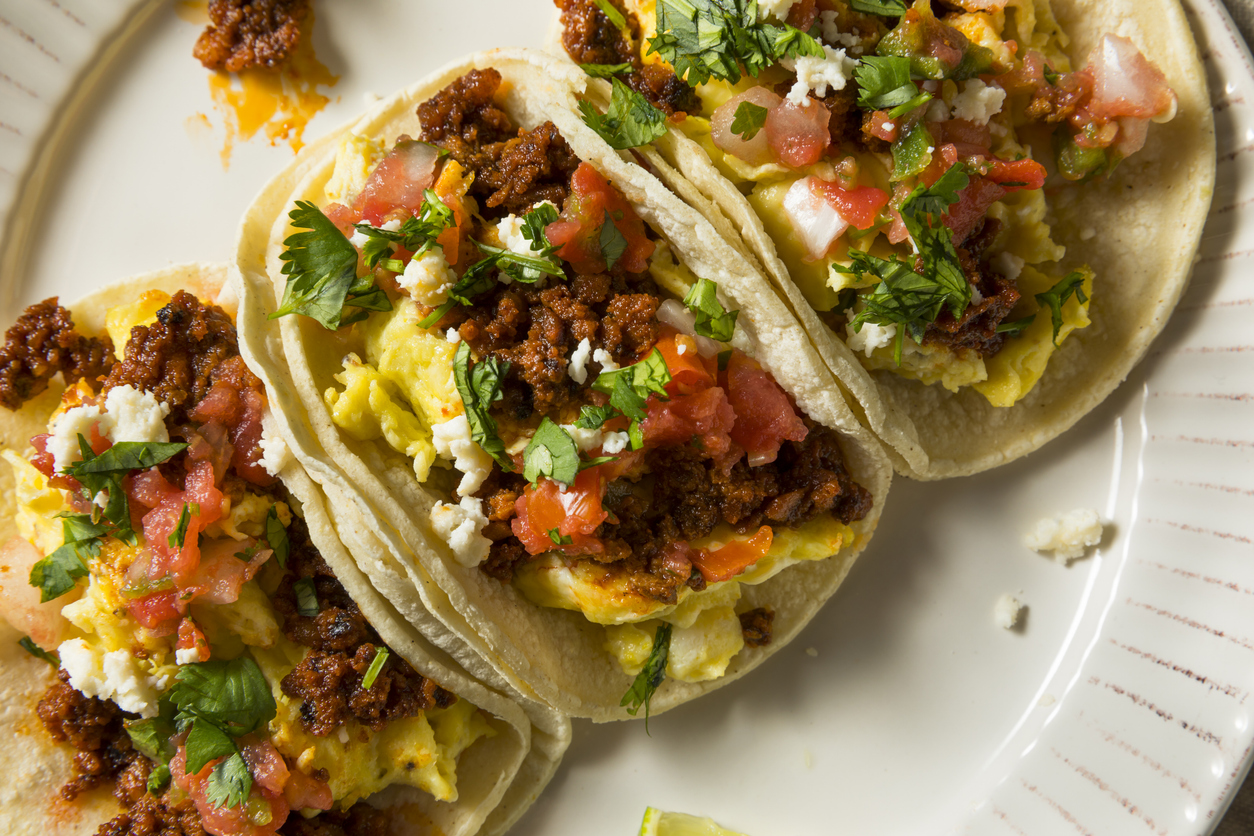
Unlike some Texas cities where breakfast tacos dominate mornings entirely, DFW balances both breakfast taco culture and elaborate brunch culture. Quick taco stops remain popular throughout Dallas and Fort Worth, especially at family-run Tex-Mex spots and taquerias. At the same time, brunch has become a major weekend social activity centered around patios, cocktails, coffee, and group dining. That combination gives the Metroplex a dining rhythm that feels distinct from Austin or San Antonio.
Hidden Strip Mall Restaurants Are Part of the Fun
Some of DFW’s best food exists in completely unassuming locations. Tiny noodle shops, taco counters, Vietnamese restaurants, bakeries, barbecue joints, and international cafés regularly hide inside ordinary suburban strip centers. Locals often treat discovering these hidden spots like a point of pride. The Metroplex rewards diners willing to explore beyond the most obvious restaurant districts.
Chef-Driven Mexican Restaurants Continue Evolving
DFW’s Mexican food scene stretches far beyond traditional Tex-Mex. Chef-driven restaurants throughout Dallas now combine regional Mexican traditions with modern techniques, seafood-focused menus, handmade tortillas, and elevated cocktail programs. Restaurants like José, Javier’s, and Mí Cocina helped shape this growing movement while newer concepts continue expanding it. The Metroplex increasingly balances longtime Tex-Mex traditions with more contemporary Mexican dining experiences.
Pho Shops and Late-Night Vietnamese Food Add Another Layer
Late-night pho culture has become another defining part of DFW dining. Garland, Arlington, Richardson, and parts of Dallas contain major Vietnamese dining communities where noodle shops and cafés stay busy well into the evening. Pho restaurants become gathering spaces after concerts, nightlife outings, and late work shifts. For visitors, the ability to find excellent Vietnamese food at almost any hour adds another unexpected dimension to the Metroplex’s dining scene.
Speakeasy Cocktail Bars Add to the Experience
Dallas has also developed a strong cocktail culture built around hidden lounges and speakeasy-style bars. Some sit behind unmarked doors or inside hotels, while others require reservations and hidden entrances. Midnight Rambler beneath The Joule Hotel helped popularize this style of cocktail experience in Dallas, and similar concepts now appear throughout Uptown, Deep Ellum, and Downtown. The growing speakeasy culture reflects how much DFW dining has expanded beyond traditional steakhouses and sports bars.
Conclusion
What makes the DFW food scene different from other Texas cities is its sheer range of experiences. The Metroplex blends traditional Texas barbecue and steakhouses with some of the state’s strongest international dining districts, all spread across neighborhoods and suburbs with completely different personalities. Visitors can spend one weekend eating Korean barbecue in Carrollton, exploring brunch patios in Bishop Arts, trying chef-driven Mexican restaurants in Dallas, and ending the night with pho or cocktails long after midnight. Few places in Texas offer that kind of culinary variety at this scale.